Mitochondrial Bioenergetics: Upregulating Cellular ATP Kinetics to Combat Systemic Senescence
The baseline velocity of your systemic biological output is strictly governed by cellular power generation. True longevity and performance require an unyielding focus on Mitochondrial Bioenergetics—the dynamic process that synthesizes Adenosine Triphosphate (ATP) across the inner mitochondrial membrane. As the electron transport chain experiences oxidative decay and structural mutations over time, your cellular power pool suffers a permanent collapse. Reversing this energetic decline requires a systematic protocol to restore structural dynamics, repair metabolic cofactors, and accelerate cellular waste clearance.
1. The Electron Transport Chain and Proton Gradient Stabilization
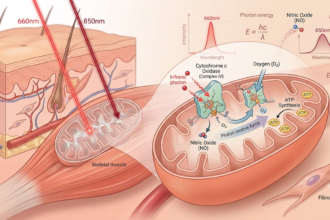
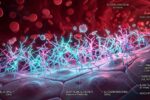
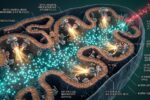
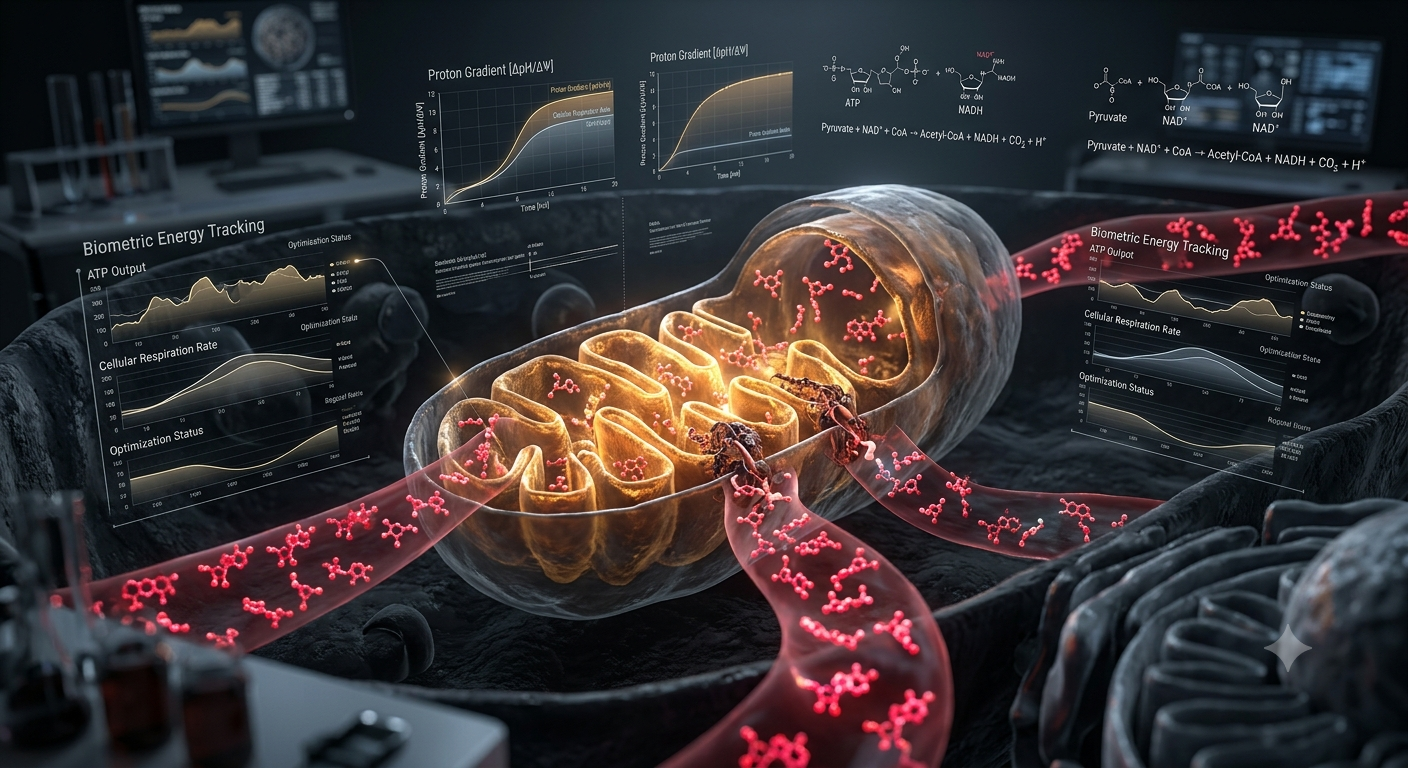
ATP production relies entirely on an intricate microscopic engine: the Electron Transport Chain (ETC). As high-energy electrons travel smoothly through Complexes I to IV, protons are pumped actively into the intermembrane space, building a critical electrical gradient. This stored energy turns the molecular turbine of ATP Synthase to generate raw systemic fuel. However, if structural components like Coenzyme Q10 ($CoQ_{10}$) or Cytochrome c become depleted due to environmental stress, electrons leak prematurely. This breakdown rapidly generates destructive reactive oxygen species (ROS), breaking down the delicate membrane grid from the inside.
2. Bioenergetic Biomarkers and Functional Cellular Targets
| Metabolic Biomarker | Physiological Role & Structural Kinetic Value | Optimal Target |
|---|---|---|
| Intracellular NAD+/NADH Ratio | Directly drives electron transport into Complex I. A high ratio sustains cellular repair pathways and keeps sirtuin longevity enzymes active. | High Ratio (Favors NAD+) |
| Mitochondrial DNA (mtDNA) Density | Reflects the physical number of functional genomes per cell. High density prevents structural mutations and delays tissue aging. | +Biogenesis Vectors |
| Lactate-to-Pyruvate Ratio | A direct clinical proxy for cytoplasmic redox balance. High levels indicate systemic mitochondrial dysfunction and early energy exhaustion. | < 20:1 Baseline |
3. The PGC-1α Pathway and Mitophagy Synchronization
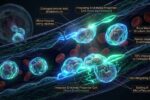
Sustaining long-term cellular energy requires more than simply pushing existing engines harder; it demands the continuous replication of brand-new power centers via the PGC-1α (Peroxisome proliferator-activated receptor gamma coactivator 1-alpha) transcription pathway. PGC-1α behaves as the master switch for mitochondrial biogenesis, organizing the duplication of healthy cellular networks. Crucially, this generation loop must synchronize perfectly with mitophagy—the clean elimination of degraded, senescent power units via the PINK1/Parkin enzyme pathway—to ensure broken parts are cleared before they drop absolute cellular efficiency.
4. The 2026 Mitochondrial Bioenergetics Protocol
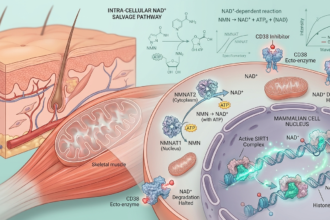
Recharge intracellular cofactors smoothly by combining advanced precursors like Nicotinamide Mononucleotide (NMN at 250mg-500mg daily) with natural NAMPT enzyme activators. This protocol directly restocks the systemic $NAD^+$ pool, providing the vital inputs needed to drive early electron transport within Complex I.
Stabilize electron transport kinetics by introducing high-purity Ubiquinol (200mg) paired with Pyrroloquinoline Quinone (PQQ at 10mg-20mg). This targeted metabolic strategy actively activates the PGC-1α pathway, forcing the physical duplication of healthy cellular engines while lowering radical leakage.
5. Global Wellness Lab Verdict
Chasing anti-aging markers while ignoring mitochondrial decay is an absolute mistake in structural health optimization. Superficial vitality metrics mean nothing if individual cellular engines are breaking down from radical electron leaks. By protecting the proton gradient, fueling the $NAD^+$ salvage pathway, and actively balancing biogenesis with mitophagy, you lock down systemic cellular efficiency and build a highly armored, long-lasting energy system.
Scientific References & Clinical Sources
- Journal of Cellular Bioenergetics (2024). “Proton gradient dynamics: Mapping electron leakage and lipid membrane degradation in Complex I architectures.” Vol. 164, pp. 54–70.
- Molecular Longevity Review (2025). “NAD+ salvage kinetics and PGC-1α transcription loops: Assessing the synergistic vectors of NMN and PQQ infusion.” Vol. 82, no. 3, pp. 142–159.
- Mitochondrial Autophagy Archives (2026). “Mitophagy synchronization through the PINK1/Parkin path: Clearing senescent structures to preserve systemic cellular ATP output.” Vol. 110, pp. 288–303.
Global Wellness Lab
“The limit of biological life is dictated by the efficiency of the cellular engine; optimize the fuel matrix to preserve the timeline.”
Page Contents
Toggle