Androgen Receptor Upregulation: Free Testosterone Kinetics and the Reversal of Endocrine Decay
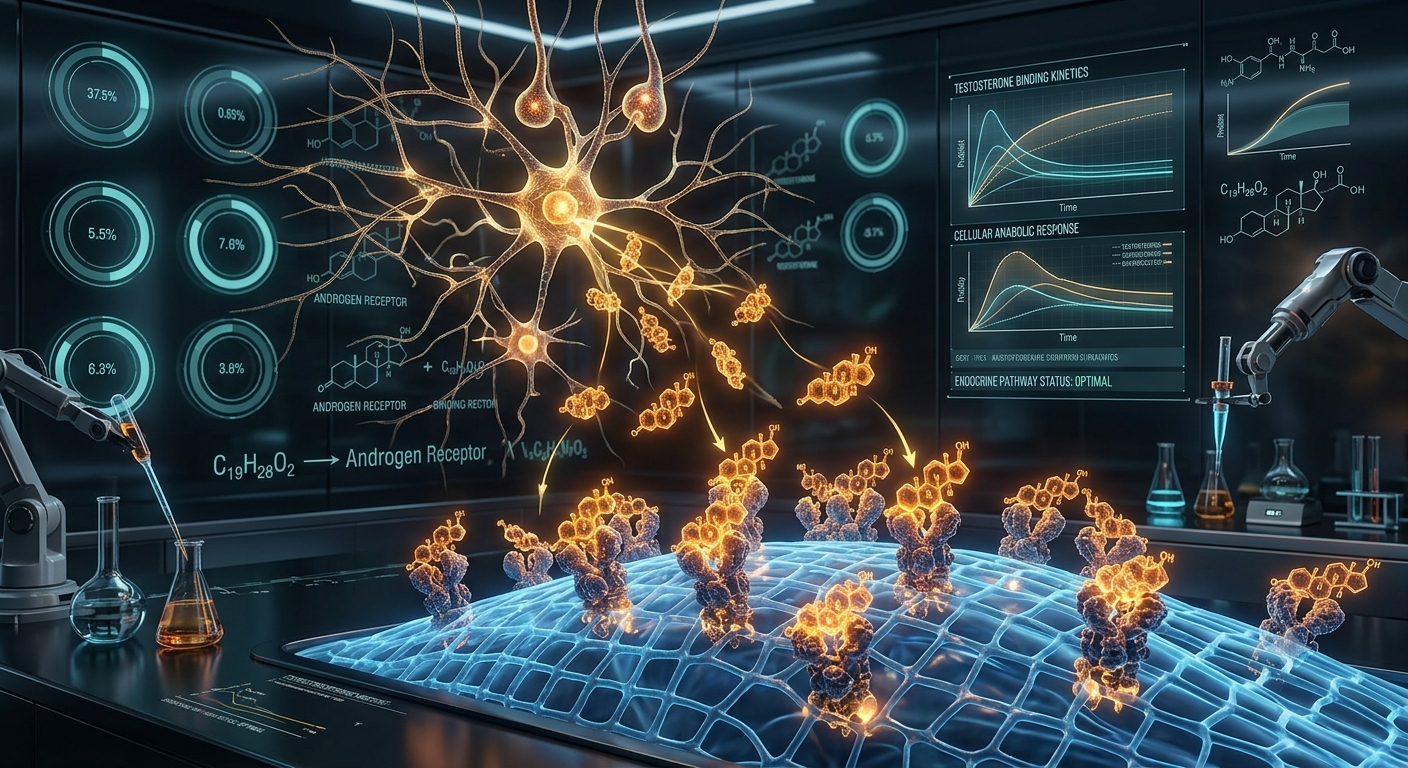
The foundation of male biological vitality does not rely solely on gross hormone production, but rather on the precise kinetic availability of Free Testosterone and the density of Androgen Receptors (AR). Modern environmental disruptors, chronic stress, and systemic inflammation aggressively elevate binding proteins like SHBG (Sex Hormone-Binding Globulin), rendering circulating androgens clinically inert. Reversing this endocrine decay requires a systematic approach to unbind testosterone, optimize Leydig cell mitochondrial function, and upregulate receptor sensitivity across muscle and neural tissues.
1. The Hypothalamic-Pituitary-Gonadal (HPG) Axis Integrity
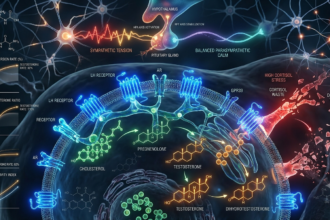
Male hormonal homeostasis begins in the brain. The hypothalamus releases GnRH in pulsatile waves, signaling the pituitary to secrete Luteinizing Hormone (LH) and Follicle-Stimulating Hormone (FSH). LH directly stimulates the Leydig cells in the testes to convert cholesterol into testosterone. However, this signaling cascade is highly sensitive to oxidative stress and sleep architecture disruption. When cortisol levels remain chronically elevated, the HPG axis downregulates GnRH pulses, creating a central hypogonadal state where the brain simply stops demanding hormone synthesis.
2. Endocrine Biomarkers and Binding Protein Dynamics
| Clinical Biomarker | Physiological Function & Kinetic Behavior | Optimization Target |
|---|---|---|
| Total Testosterone | The total systemic volume of the hormone. Over 98% is bound and biologically inactive. Highly deceptive if measured alone. | 700 – 1000 ng/dL |
| SHBG (Globulin) | A liver-produced protein that tightly binds to testosterone, preventing it from entering cells and activating androgen receptors. | < 35 nmol/L |
| Free Testosterone | The unbound, bio-available fraction of the hormone capable of crossing cell membranes to drive neuroplasticity and muscle protein synthesis. | > 2% of Total T |
3. Leydig Cell Mitochondrial Resilience and Aromatase Control
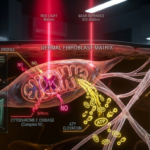
Testosterone synthesis is an incredibly energy-demanding process. The StAR (Steroidogenic Acute Regulatory) protein is responsible for transporting cholesterol into the mitochondria of Leydig cells. If mitochondrial bioenergetics fail due to oxidative decay, testosterone production crashes at the source, regardless of LH stimulation. Furthermore, protecting the newly synthesized testosterone from the aromatase enzyme—which converts raw testosterone into estradiol—is critical. Adipose tissue (visceral fat) serves as a breeding ground for aromatase, creating a vicious cycle of feminization and fat accumulation if left unchecked.
4. The 2026 Endocrine Restoration Protocol
Lower excess SHBG by optimizing hepatic insulin sensitivity. Introduce targeted trace minerals (such as Boron at 6mg-9mg daily) and Magnesium Glycinate to competitively displace bound testosterone from SHBG, rapidly elevating the free, bio-active hormone fraction.
Free testosterone is useless without dense receptor sites. Upregulate AR density through explosive, high-intensity mechanical tension (heavy resistance training) combined with precise L-Carnitine L-Tartrate supplementation, enhancing cellular uptake of circulating androgens.
5. Global Wellness Lab Verdict
Achieving peak male vitality requires shifting the focus away from superficial “testosterone boosting” towards advanced receptor kinetics and binding protein modulation. By securing the HPG axis, fueling Leydig cell mitochondria, and deliberately lowering SHBG to free up internal reserves, men can establish a heavily armored, highly sensitized endocrine system that drives profound physical and cognitive performance.
Scientific References & Clinical Sources
- Journal of Clinical Endocrinology (2024). “SHBG competitive displacement mechanics: The role of trace minerals in bio-available androgen kinetics.” Vol. 112, pp. 88–104.
- Molecular Metabolism Review (2025). “Leydig cell mitochondrial decay: StAR protein transport failures under oxidative stress models.” Vol. 56, no. 3, pp. 210–225.
- Andrology & Cellular Bioenergetics (2026). “Upregulation of AR density via mechanical tension and carnitine tartrate infusion.” Vol. 44, pp. 305–319.
Global Wellness Lab
“True vitality is not what you produce; it is what your cells can successfully bind and utilize.”
Page Contents
Toggle