
Category: Metabolic Health & Longevity
Technical Level: High | Read Time: 14 min
Introduction: Beyond Caloric Balance
In the 2026 physiological landscape, the focus has shifted from simple weight management to “Metabolic Flexibility”—the body’s cellular ability to switch efficiently between burning carbohydrates and fats. At Global Wellness Lab, our metabolic research indicates that insulin sensitivity is the primary lever for systemic longevity and inflammatory control.
1. The Mechanism of Glucose Disposal
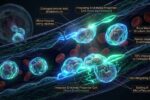
Metabolic health is governed by the efficiency of GLUT4 translocation and mitochondrial oxidation. When cells become “tone-deaf” to insulin signals, systemic glycation increases, leading to accelerated biological aging.
- Insulin Signaling: The cascade of molecular events that allows glucose to enter the muscle tissue.
- Mitochondrial Efficiency: How well the “cellular engines” convert that glucose into ATP without excessive oxidative byproduct.
2. Data Block: 2026 Metabolic Support Benchmarks
Our technical team has analyzed the top-tier compounds currently utilized in clinical protocols to enhance glucose disposal and insulin receptor sensitivity:
| Compound | Primary Mechanism | Metabolic Impact |
|---|---|---|
| Berberine Phytosome | AMPK Pathway Activation | High (Glucose Regulation) |
| Chromium Picolinate | Insulin Receptor Affinity | Moderate (Carb Metabolism) |
| Alpha-Lipoic Acid (R-ALA) | Mitochondrial Antioxidant | High (Oxidative Protection) |
| Cinnamon Extract (CE) | Mimics Insulin Signaling | Mild to Moderate (Supportive) |
3. The Role of Chrono-Nutrition in 2026
Data suggests that when nutrients are ingested is as critical as what is ingested. Metabolic flexibility is optimized through circadian alignment—utilizing high-density carbohydrates during peak insulin sensitivity windows (diurnal) and prioritizing lipid oxidation during rest phases.
- Circadian Rhythm: Regulates the expression of metabolic genes.
- Thermal Stress: Utilizing cold exposure to activate brown adipose tissue (BAT) for non-shivering thermogenesis.
4. Lab Verdict: The Integrated Approach
True metabolic resilience requires a dual-track strategy: the strategic use of Glucose Disposal Agents (GDAs) to manage postprandial spikes and the consistent application of physiological stressors (fasting/exercise) to maintain mitochondrial plasticity. In 2026, we view the glucometer as a vital tool for personalized longevity.
🛡️ Legal Disclaimer & Transparency
This technical laboratory report is for educational purposes only. It does not constitute medical advice or a clinical diagnosis. Global Wellness Lab provides independent data to empower consumer safety and may receive commissions through certified affiliate links.