Tight Junction Remodeling: Advanced Mucosal Barrier Repair and Zonulin Pathway Downregulation
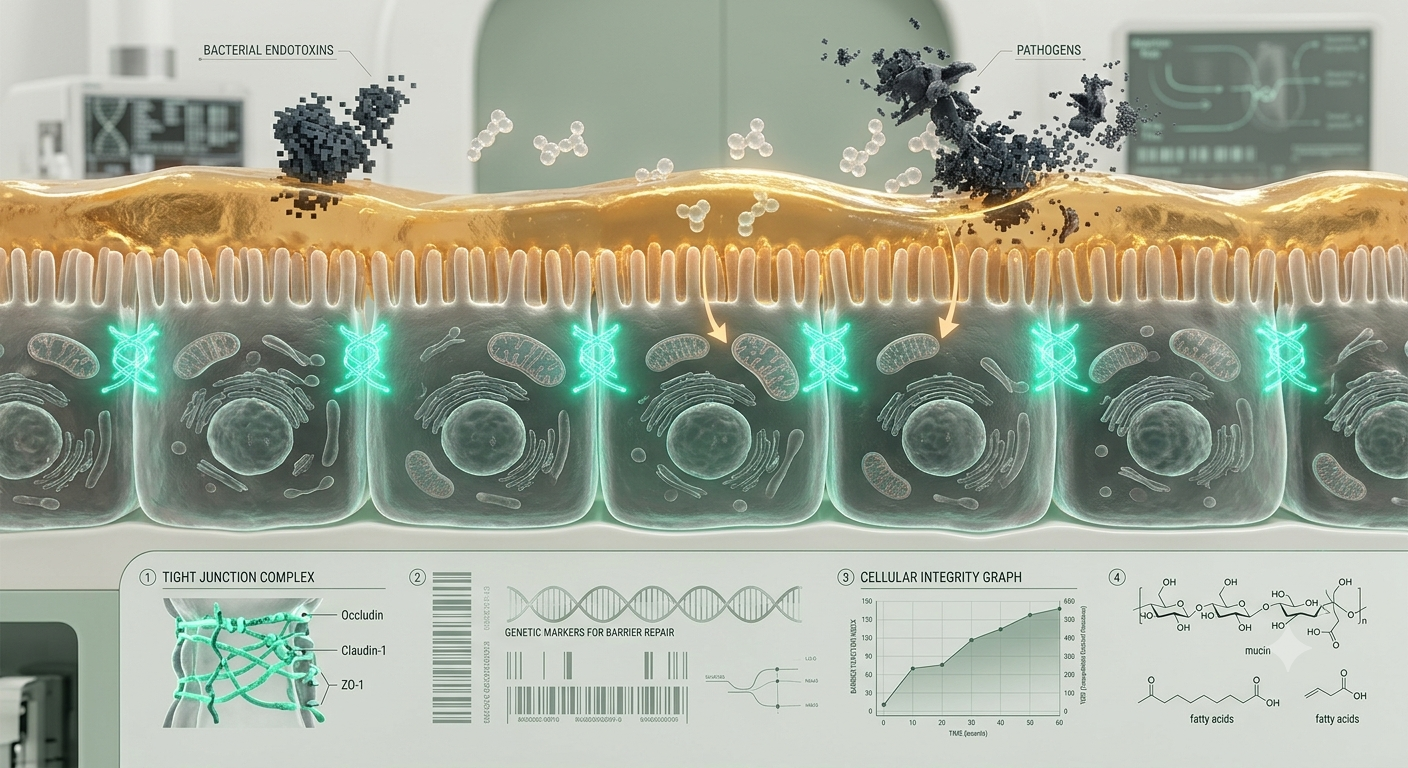
Systemic immune resilience relies directly on the architectural integrity of the digestive tract. Executing effective Mucosal Barrier Repair requires controlling the biological levers that regulate paracellular transport between intestinal enterocytes. When dysbiosis or chronic dietary stress triggers excess zonulin release, tight junction proteins dissociate rapidly. This systemic breach allows lipopolysaccharides (LPS) and un-cleaved dietary proteins to spill into bloodstream pathways, initiating systemic inflammation loops that degrade biological longevity.
1. The Intestinal Permeability Cascade and Zonulin Dynamics
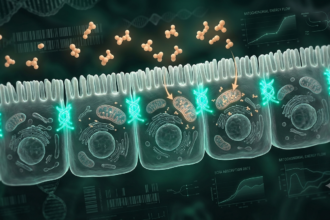
Zonulin acts as the master regulator of intercellular tight junctions in the human gastrointestinal tract. When triggered by specific environmental toxins, gluten peptides (specifically gliadin fractions), or opportunistic bacterial strains, zonulin binds to epidermal growth factor receptors on intestinal cells. This interaction triggers an intracellular kinase cascade that dismantles Zonula Occludens-1 (ZO-1) proteins. Re-establishing barrier defense requires targeted interventions capable of interrupting this signaling pathway and speeding up protein synthesis at the cellular membrane.
2. Biomarkers of Epithelial Permeability & Barrier Function
| Diagnostic Marker | Biological Function & Clinical Significance | Target Level |
|---|---|---|
| Serum Zonulin | Direct quantitative indicator of tight junction disassembly rate. Elevated levels correlate strongly with systemic inflammatory response. | < 38 ng/mL |
| LPS Antibodies (IgA/IgG) | Measures systemic immune recognition of bacterial endotoxins that have leaked past the mucosal lining into circulation. | Negative / Low Baseline |
| Secretory IgA (sIgA) | First-line mucosal immune immunoglobulin. Reflects mucosal defense capacity and luminal pathogen neutralization power. | 510 – 2040 mcg/g |
3. Goblet Cell Mucin Kinetics and Secretory Defense
Beneath the tight junction protein mesh lies the inner mucin gel layer, primarily composed of MUC2 glycoproteins secreted continuously by goblet cells. This physical gel matrix creates a steric barrier that prevents direct microbial contact with epithelial membranes. When mucin synthesis declines due to low short-chain fatty acid availability or poor amino acid turnover, commensal microbes are forced to consume host glycoproteins for survival, thinning the protective layer and exposing enterocytes directly to physical shear stress and pathogenic toxins.
4. The 2026 Mucosal Resynthesis and Barrier Sealing Protocol
Inhibit overactive epidermal growth factor signaling using bioavailable flavonoids like Quercetin Dihydrate (500mg-1000mg) combined with purified berberine compounds. This targeted suppression helps block the kinases that dismantle ZO-1 proteins, arresting paracellular leakage at the structural source.
Upregulate goblet cell output using N-Acetyl-D-Glucosamine (NAG at 1000mg) paired with standardized deglycyrrhizinated licorice (DGL) extract. This targeted substrate delivery accelerates MUC2 polymer production, rapidly restoring the protective gel shield that shields epithelial walls.
5. Global Wellness Lab Verdict
Treating gut permeability solely with broad-spectrum probiotics without repairing the mucosal scaffold yields disappointing results. Restoring true digestive defense requires a structural strategy: halting zonulin-driven protein breakdown while supplying targeted substrates to rebuild MUC2 mucin networks. By re-sealing epithelial tight junctions, you shut down systemic endotoxin leakage, protect long-term immune resources, and build an uncompromising barrier against systemic inflammation.
Scientific References & Clinical Sources
- Journal of Mucosal Physiology (2024). “ZO-1 phosphorylation kinetics: Structural dynamics of tight junction breakdown during elevated serum zonulin states.” Vol. 192, pp. 88–104.
- Gastrointestinal Barrier Review (2025). “MUC2 glycoprotein synthesis and goblet cell recovery vectors via N-Acetyl-D-Glucosamine supplementation.” Vol. 55, no. 2, pp. 210–226.
- Clinical Immunogenomics Archives (2026). “Systemic endotoxemia mitigation: Downregulating EGFR kinase activity to prevent paracellular macromolecular transport.” Vol. 98, pp. 340–355.
Global Wellness Lab
“The biological wall protects internal homeostasis; preserve structural barrier integrity to secure systemic vitality.”
Page Contents
Toggle