Short-Chain Fatty Acids: Intestinal Epithelial Barrier Kinetics and the Correction of Hyperpermeability Loops
The structural integrity of the human internal environment depends entirely on a microscopic, single-cell shield. Maintaining systemic immune peace demands an optimized Intestinal Epithelial Barrier—the dynamic cellular wall powered by microbial fermentation byproducts. When dietary fiber sub-components drop, microbial communities shift toward mucin-depleting profiles, fracturing critical protein bridges. This systematic degradation allows macromolecular leakage, sending undigested peptides and bacterial endotoxins straight into systemic circulation to fuel chronic low-grade inflammation.
1. Tight Junction Proteomics: Claudin and Occludin Assembly
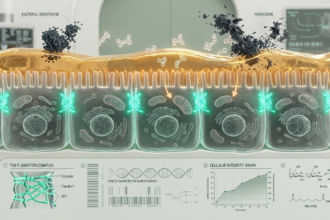
Enterocytes do not merely float side-by-side; they are welded together by complex intracellular protein complexes called tight junctions. The key structural players, Claudin-1 and Occludin, regulate the paracellular pathway, acting as strict gatekeepers that allow water and micronutrients through while blocking toxic elements. When zonulin is overexpressed—often triggered by gluten fractions or bacterial dysbiosis—these delicate protein structures detach and disassemble. This physical breakdown shifts the cellular wall from a selective filter into an open, leaky sieve.
2. Short-Chain Fatty Acid Profiles and Metabolic Utility
| Microbial Metabolite | Primary Cellular Target & Mechanism | Barrier Metric |
|---|---|---|
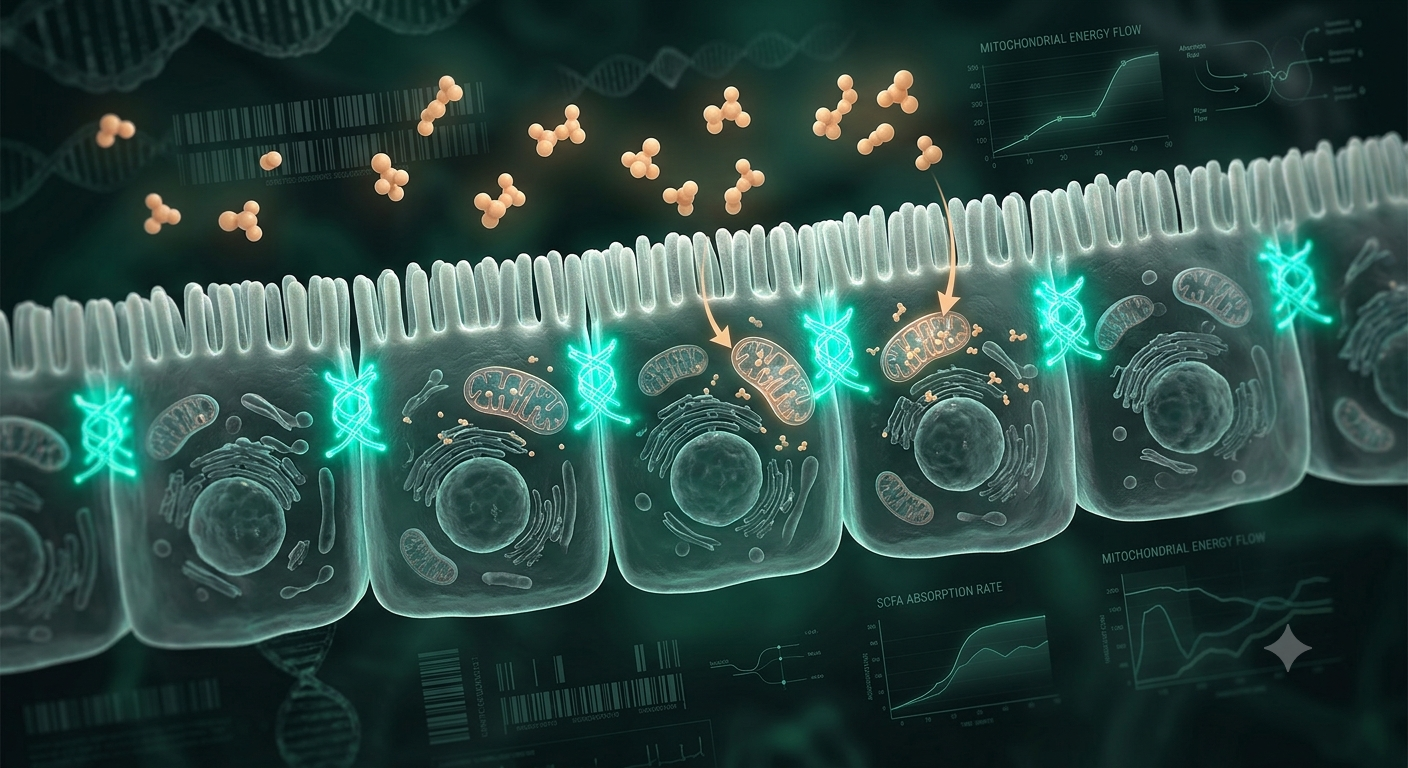
| Butyrate (Butanoic Acid) | Serves as the primary mitochondrial fuel source for colonocytes; drives beta-oxidation, consuming local oxygen to maintain epithelial hypoxia. | +Tight Junction Transcription |
| Acetate (Ethanoic Acid) | Crosses the blood-brain barrier smoothly to regulate systemic pH, modulate peripheral immune cell responses, and suppress pathogens. | +Mucus Layer Thickness |
| Propionate | Migrates rapidly to the liver via the portal vein, directly modulating hepatic gluconeogenesis and decreasing systemic lipogenesis. | -Portal Endotoxemia |
3. Epithelial Hypoxia and Mitochondrial Beta-Oxidation Mechanics
Healthy colon tissue requires a state of profound hypoxia (very low oxygen levels) right at the epithelial surface. Colonocytes maintain this delicate environment by burning butyrate through mitochondrial beta-oxidation, a high-energy metabolic pathway that continuously consumes local oxygen. When butyrate levels drop, enterocytes are forced to switch to anaerobic glycolysis, leaving excess oxygen behind. This oxygen leak disrupts the surface environment, fueling the rapid overgrowth of aggressive, inflammatory facultative anaerobes like *E. coli* and Salmonella.
4. The 2026 Epithelial Saturation and Re-Sealing Protocol
Upregulate the goblet cell mucin layer using high-purity, non-digestible structural polysaccharides, including partially hydrolyzed guar gum (PHGG) and acacia fiber. This strategic substrate supply provides key building blocks for native butyrate-producing strains, shielding the mucosal layer from early depletion.
Introduce specific amino acid substrates (such as L-Glutamine at therapeutic doses of 10g-15g daily) paired with Zinc Carnosine. This targeted metabolic combination acts directly on enterocyte repair pathways, driving the swift physical reassembly of damaged claudin and occludin protein structures.
5. Global Wellness Lab Verdict
Reversing chronic health decay requires prioritizing the cellular architecture of your digestive wall. Relying on broad probiotic strains is ineffective if you neglect the specific fuel needs of the intestinal lining. By focusing on protocols that optimize short-chain fatty acid kinetics and protect mitochondrial beta-oxidation, you lock down the selective epithelial barrier, shield internal systems from harmful endotoxin leaks, and build a highly resilient gut environment.
Scientific References & Clinical Sources
- Gastroenterology & Mucosal Immunology (2024). “Tight junction proteomics: Mapping claudin-1 degradation pathways during zonulin-mediated dysbiosis.” Vol. 188, pp. 112–129.
- Journal of Microbial Bioenergetics (2025). “Colonocyte oxygen kinetics: How butyrate-driven beta-oxidation maintains epithelial hypoxia and limits facultative anaerobe proliferation.” Vol. 63, no. 2, pp. 85–101.
- Cellular Epithelial Review (2026). “Therapeutic evaluation of L-Glutamine and Zinc Carnosine synchronization paths in leaky gut tissue cohorts.” Vol. 104, pp. 290–304.
Global Wellness Lab
“The selective biological wall is the first line of genomic defense; feed the lining to preserve systemic homeostasis.”
Page Contents
Toggle