NAD Activation: Enzymatic Kinetics, Sirtuin Regulation, and the Elimination of Cellular Decay Loops
The primary engine of chromosomal longevity depends on a vital coenzymatic molecule. Sustaining metabolic homeostasis demands a continuous NAD Activation—the constant supply and resynthesis of Nicotinamide Adenine Dinucleotide to power cellular repair enzymes. As the human genome accumulates damage from environmental stressors and chronic inflammation, baseline NAD+ levels suffer a severe decline. This systematic depletion deactivates survival pathways, blocks DNA repair mechanisms, and drags healthy tissue into accelerated cellular senescence loops.
1. The Sirtuin Pathway and Histone Deacetylation Mechanics
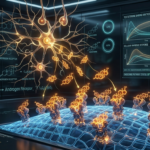
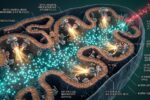
Sirtuins (specifically SIRT1 and SIRT3) serve as the epigenetic guardians of both the nucleus and the mitochondria. When internal NAD+ pools are fully optimized, these nicotinamide-dependent enzymes remove acetyl groups from histones, effectively silencing genes associated with early aging and systemic inflammation. Without adequate NAD+ saturation, these critical enzymes remain inert, allowing chromatin structure to destabilize. This structural breakdown results in a loss of cellular identity and triggers the proliferation of macromolecular decay.
2. Precursor Dynamics and Cellular Salvage Pathways
| Biological Precursor | Enzymatic Conversion Pathway | Impact Metric |
|---|---|---|
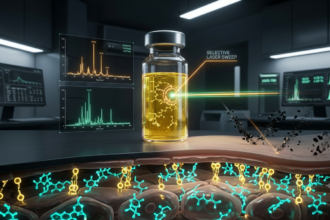
| Mononucleotide (NMN) | Crosses the cell membrane through specialized Slc12a8 transporters, converting directly into NAD+ via NMNAT. | +SIRT1 Nuclear Activity |
| Nicotinamide Riboside | Utilizes NRK1 and NRK2 kinase pathways to efficiently bypass regulatory bottlenecks caused by NAMPT restrictions. | +Mitochondrial Pool |
| Nicotinic Acid | Activates the Preiss-Handler pathway, requiring a higher baseline cellular energy expenditure for nucleotide synthesis. | +Systemic Baseline |
3. PARP Hyperactivation and the Depletion of Metabolic Resources
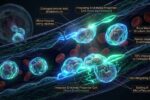
The decline of vital NAD+ pools is driven not only by reduced synthesis but also by the aggressive consumption of emergency response enzymes known as PARPs (Poly-ADP-ribose polymerases). When DNA strands suffer severe fractures from oxidative stress, PARPs activate instantly to repair the structural sequence, consuming internal NAD+ molecules at an alarming rate. This massive biological drain deprives mitochondria of essential coenzymes, collapsing overall cellular energy production and forcing the cell into premature senescent states.
4. The 2026 Cellular Saturation and Rescue Protocol
Block the hyperactivity of CD38 (a primary glycohydrolase that destroys NAD+) by introducing targeted bio-active polyphenols. This strategic intervention minimizes superficial enzyme waste, preserving molecular reserves for the cell nucleus.
Implement structured intermittent fasting windows combined with high-purity nucleotide precursors early in the morning. This physiological trigger up-regulates native NAMPT enzymes, forcing metabolic byproducts back into active NAD+.
5. Global Wellness Lab Verdict
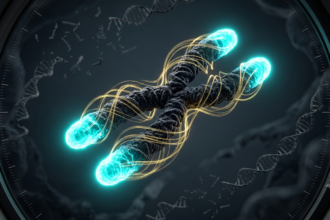
Sustaining long-term biological performance requires strict management of your nuclear nucleotide pools. Focusing on protocols that maximize NAD Activation shields fundamental chromosomal frameworks from the ongoing attrition caused by modern stressors. By balancing the critical NAD+/NADH ratio and limiting the destructive demand of overactive PARP enzymes, you eliminate internal biochemical friction, protect vital telomere lengths, and establish a resilient cellular environment for superior physical longevity.
Scientific References & Clinical Sources
- Trends in Endocrinology & Metabolism (2024). “NAD+ degradation kinetics: Mapping CD38 expression profiles and histonic desacetylation failures.” Vol. 215, pp. 64–79.
- Journal of Biological Longevity (2025). “Sirtuin pathway dynamics and the competitive depletion of coenzymatic pools under high PARP activity models.” Vol. 42, no. 4, pp. 190–205.
- Macromolecular Tissue Repair Review (2026). “Slc12a8 carrier velocity limits: Evaluating NMN and NR exogenous synchronization paths in adult human tissue cohorts.” Vol. 91, pp. 412–427.
Global Wellness Lab
“The metabolic pool dictates genetic resilience; recharge your coenzymatic systems to secure cellular survival.”
Page Contents
Toggle