The H. Pylori Paradigm: Resolving Gastric Dysbiosis
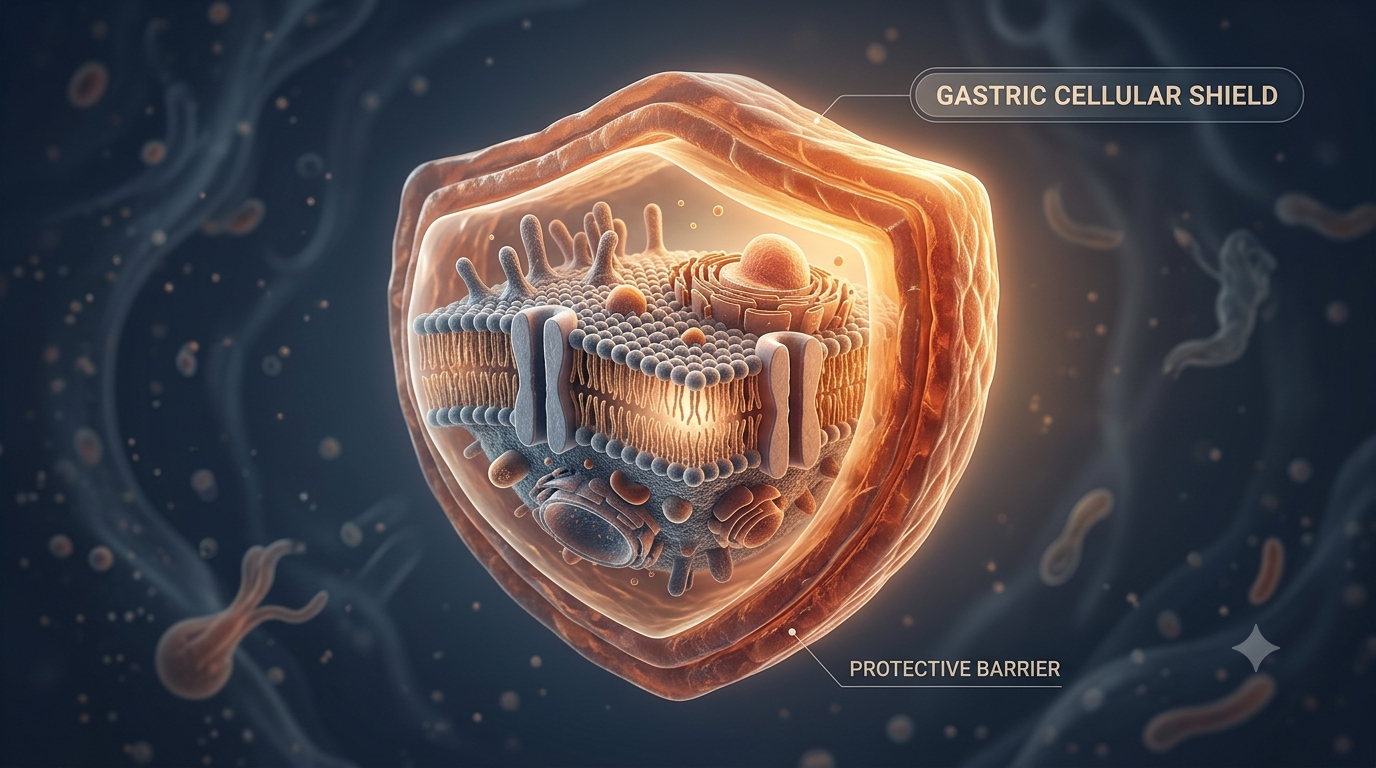
The gastric mucosal barrier functions as the primary shield protecting the human body from endogenous acid and external pathogens. At **Global Wellness Lab**, we approach **Helicobacter pylori** not merely as an isolated infection, but as a systemic driver of chronic inflammation that alters the entire digestive landscape.
1. The Urease Mechanism and Acid Survival
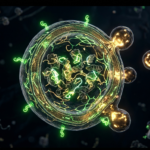
Unlike most bacteria that perish in the highly acidic environment of the stomach, *H. pylori* neutralizes gastric acid locally. By secreting the enzyme **urease**, it converts surrounding urea into ammonia and carbon dioxide, creating a protective alkaline cloud that allows the pathogen to penetrate the thick mucosal layer.
2. Epithelial Disruption and Epitope Inflammation
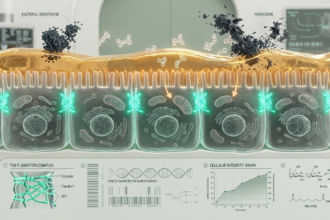
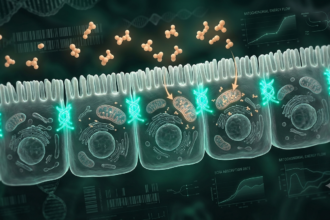
Once nestled beneath the mucus barrier, *H. pylori* attaches to epithelial cells, inducing an inflammatory cascade. Virulence factors such as CagA and VacA disrupt cellular tight junctions, altering cellular architecture and stimulating a constant recruitment of immune cells that triggers chronic gastritis.
Lab Note: Hypochlorhydria Shunt
Chronic *H. pylori* colonization can lead to the destruction of parietal cells, causing a severe drop in stomach acid (hypochlorhydria). This loss of the acidic baseline barrier opens the gates for downstream intestinal dysbiosis, SIBO, and impaired protein assimilation.
3. Botanical Barriers and Mastic Gum
Targeted botanical protocols focus heavily on creating an inhospitable environment for the pathogen. Traditional exudates like **Chios Mastic Gum** have shown clinical viability in inhibiting the structural integrity of *H. pylori* membranes without destabilizing the beneficial commensal microflora of the lower GI tract.
4. Immunological Integrity and Probiotic Cross-Talk
Eradicating difficult pathogens requires a highly coordinated immune response. Specific probiotic strains, including *Lactobacillus reuteri*, support the gastric matrix by competing for binding sites on epithelial cells and secreting bacteriocins that directly inhibit the replication of undesirable strains.
5. Restoring Mucosal Tight Junctions
After neutralizing the infectious load, clearing localized oxidative stress is vital for tissue repair. Supplying biological matrices with specific protective elements allows the mucosal lining to heal its cellular tight junctions, mitigating long-term tissue degradation and structural leaking.
6. Comprehensive Microbiome Interventions
Successful long-term restoration requires shifting from basic eradication toward comprehensive biological modulation. Rebalancing the gut architecture ensures that the environmental niche previously occupied by pathogenic strains is reinforced by resilient, health-promoting microbiomes.
Global Wellness Lab
“True gastrointestinal health is achieved not by absolute sterilization, but by the systemic cultivation of mucosal resilience.”
This is a technical educational analysis and does not substitute professional medical advice.