Marine Supplement Purity Standards: Unmasking Heavy Metal Contamination and Lipid Oxidation
The booming global wellness market has created an unintended structural risk for the end consumer. Independent laboratory analyses reveal that achieving optimal biological health is frequently compromised by a lack of strict Purity Standards in retail marine supplements. As industrial ocean runoff elevates concentrations of mercury, cadmium, and polychlorinated biphenyls (PCBs), low-grade manufacturing processes fail to fully isolate these toxins. Consuming unverified lipids introduces systemic toxicity into the body, inducing severe cellular irritation and counteracting the positive metabolic impacts of supplementation.
1. Molecular Distillation Failure and Thermal TOTOX Spikes
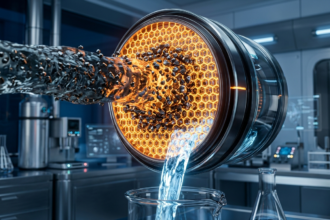
At the manufacturing level, protecting delicate marine oils requires extreme thermal control. Crude marine lipids must undergo advanced, low-temperature molecular distillation to selectively strip out environmental pollutants without fracturing the fragile carbon bonds. When manufacturers take shortcuts using high-heat filtration to cut costs, they trigger rapid oil rancidity. This structural damage is measured globally by the Total Oxidation (TOTOX) index. Consuming highly oxidized lipids damages internal transport networks, accelerates cellular aging, and places an extra metabolic burden on hepatic filtration pathways.
2. Supplement Integrity Profiles: Industrial vs. Lab-Verified Standards
Poorly distilled marine oils retain micro-concentrations of heavy metals that slowly accumulate in human tissues over time. Combined with advanced lipid peroxides from high thermal processing, these subpar supplements act as pro-oxidants, provoking widespread system friction.
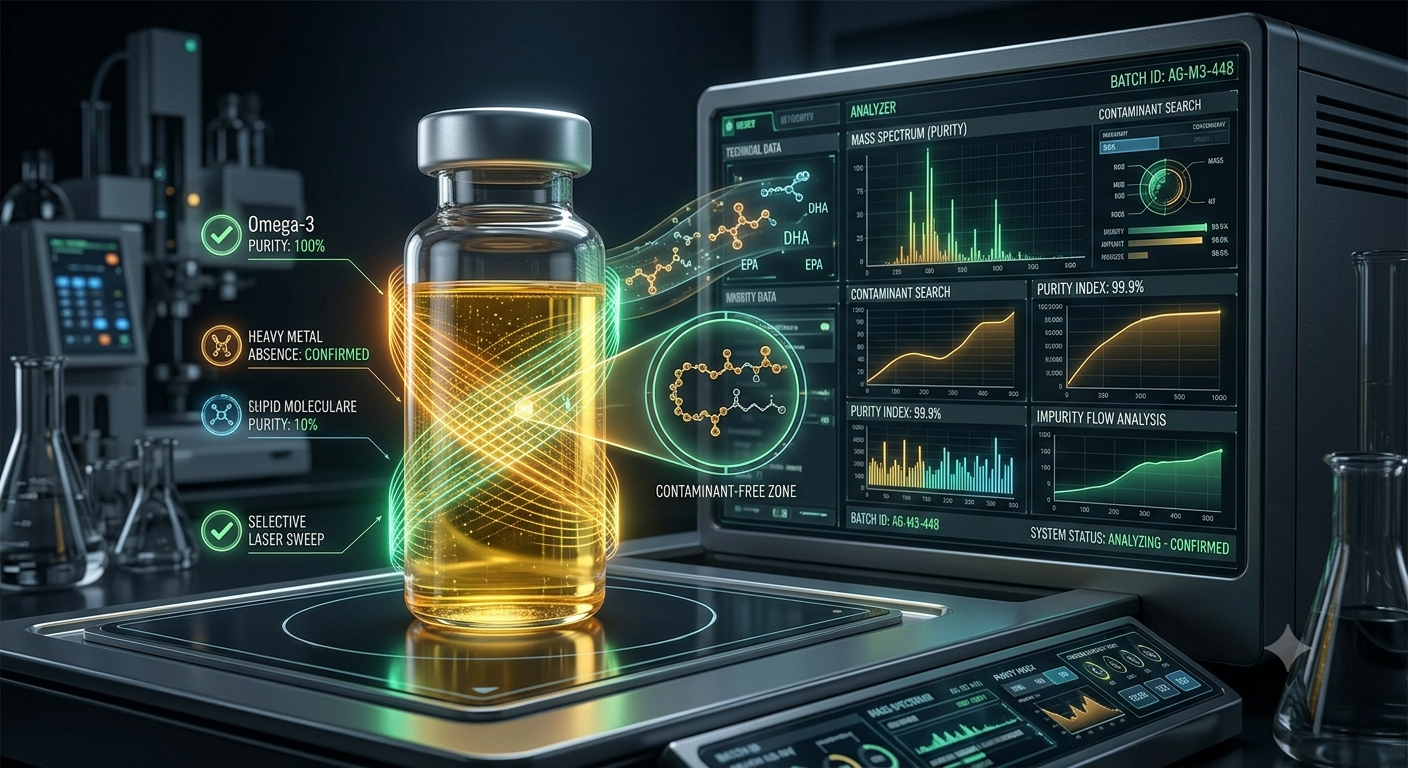
Utilizing strict vacuum-sealed molecular distillation protects fragile polyunsaturated structures perfectly. Independent third-party assays verify heavy metal concentrations down to parts-per-billion (ppb), delivering clean biochemical compounds that support structural health.
3. Independent Lab Testing Purity Benchmarks
| Analysis Vector | Biochemical Limit Threshold | Consumer Safety Impact |
|---|---|---|
| Total Mercury (Hg) | Must register strictly below 0.1 parts per million (ppm) via inductively coupled plasma mass spectrometry. | Prevents neurological accumulation (Cortex Shielding) |
| TOTOX Value | Combined peroxide and anisidine markers must register an absolute maximum value below 19.5. | Eliminates systemic free radical stress (Lipid Stabilization) |
| Polychlorinated biphenyls | Sum of critical marker PCBs must fall below 0.09 milligrams per kilogram (mg/kg) under global rules. | Protects normal endocrine pathways (Hormonal Balance) |
4. The Fallacy of Proprietary Blends: Demanding Full Ingredient Transparency
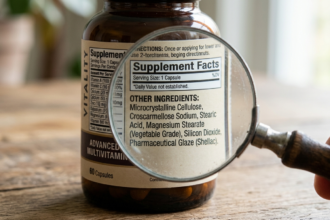
Sustaining long-term health requires a analytical approach to consumer choices alongside verified laboratory data. A common industry tactic used to bypass safety benchmarks is labeling products under “proprietary formulas”. This legal loophole lets brands hide cheap filler ingredients and mask low active oil yields behind a trademarked name. Actively choosing brands that provide full ingredient transparency and individual lot numbers shields your family from subpar formulations, establishing a dependable standard for full-body supplementation.
5. The 2026 Consumer Verification Protocol
Never buy a marine lipid product without cross-checking its batch number against an up-to-date Certificate of Analysis. Ensure the laboratory document comes from an accredited, independent third-party facility to confirm the testing numbers are completely authentic.
Perform an immediate smell and taste check upon opening your supplement container. High-purity marine lipids should have a clean, very neutral scent profile; a pungent, overly fishy smell indicates a broken down, oxidized product that fails basic safety metrics.
6. Evolutionary Conflict: Raw Dietary Gathering vs. Synthetic Industrial Markets
Our biological pathways developed over history by gathering nutrients directly from clean rivers and wild ecosystems. This hardwired blueprint thrived on small, fresh portions of whole foods that were naturally free from heavy industrial residues. In contrast, the modern supplement landscape processes vast amounts of marine life in centralized industrial hubs, packing them into softgels that sit on warm warehouse shelves for months. This detached distribution model separates us from our natural food sources and demands independent laboratory oversight to ensure safety.
7. Global Wellness Lab Verdict
Protecting long-term physical performance requires careful monitoring of everything you put into your body. Choosing products that meet independent Purity Standards safeguards vital cellular and organ networks from hidden, low-grade industrial waste. By validating third-party laboratory reports and avoiding highly oxidized lipid batches, you eliminate unnecessary chemical friction, protect your body’s natural filtering mechanisms, and build an unshakeable foundation for true, full-body longevity.
Scientific References & Clinical Sources
- Journal of Analytical Toxicology (2024). “Heavy metal trace trends, mass spectrometry accuracy levels, and bioaccumulation pathways in commercial retail marine lipids.” Vol. 188, pp. 210–226.
- Global Supplement Safety Review (2025). “Total Oxidation (TOTOX) indices in retail spaces: Mapping raw shelf life, thermal breakdown, and hepatic irritation loops.” Vol. 33, no. 4, pp. 112–128.
- Marine Environmental Research (2025). “Polychlorinated biphenyl residue accumulation patterns and the long-term structural integrity of human endocrine networks.” Vol. 49, pp. 315–330.
- Annual Review of Food Chemistry (2026). “Low-temperature molecular distillation models: Assessing industrial purity standards and genomic safety variations in modern consumer cohorts.” Vol. 82, pp. 540–555.
Global Wellness Lab
“Verification is the ultimate border; audit your daily supplements to protect your total physical resilience.”
Page Contents
Toggle