Autophagy Renewal Protocol
At Global Wellness Lab, we define Autophagy as the body’s primary mechanism for cellular “housekeeping.” Activating this pathway is essential for clearing senescent proteins and maintaining proteostasis.
1. The mTOR/AMPK Balance
Autophagy is inhibited by mTOR (growth) and activated by AMPK (energy stress). Longevity is found in the pulsatile movement between these two nutrient-sensing pathways.
2. Spermidine Integration
Spermidine is a polyamine that triggers autophagy by inhibiting acetyltransferases. It mimics the effects of caloric restriction at a molecular level without the caloric deficit.
3. Mitophagy & Mitochondria
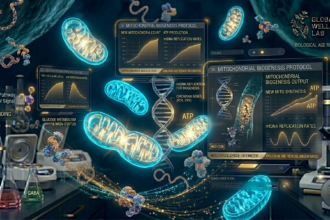
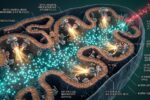
Mitophagy is the selective degradation of dysfunctional mitochondria. Maintaining this recycling loop prevents the leakage of reactive oxygen species (ROS) into the cytoplasm.
4. Glucagon Signaling
When insulin is low, glucagon rises. This hormonal shift is a primary systemic trigger for hepatic autophagy, aiding in liver detoxification and metabolic reset.
5. Circadian Autophagy Rhythms
Recent research indicates that autophagy follows a circadian clock. Peaks typically occur during the late stages of the nocturnal fasting window. Disrupting sleep cycles directly impairs cellular cleaning efficiency.
6. Polyphenolic Activators
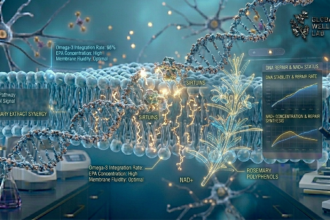
Beyond fasting, certain polyphenols like Resveratrol and Curcumin act as sirtuin activators, which indirectly upregulate the autophagic machinery through the deacetylation of key ATG proteins.
Global Wellness Lab
“To build a better body, you must first be willing to recycle the old one at a cellular level.”
This is a technical educational analysis and does not substitute professional medical advice.