Telomere Maintenance: Rewriting the Epigenetic Clock and Preserving Chromosomal Architecture
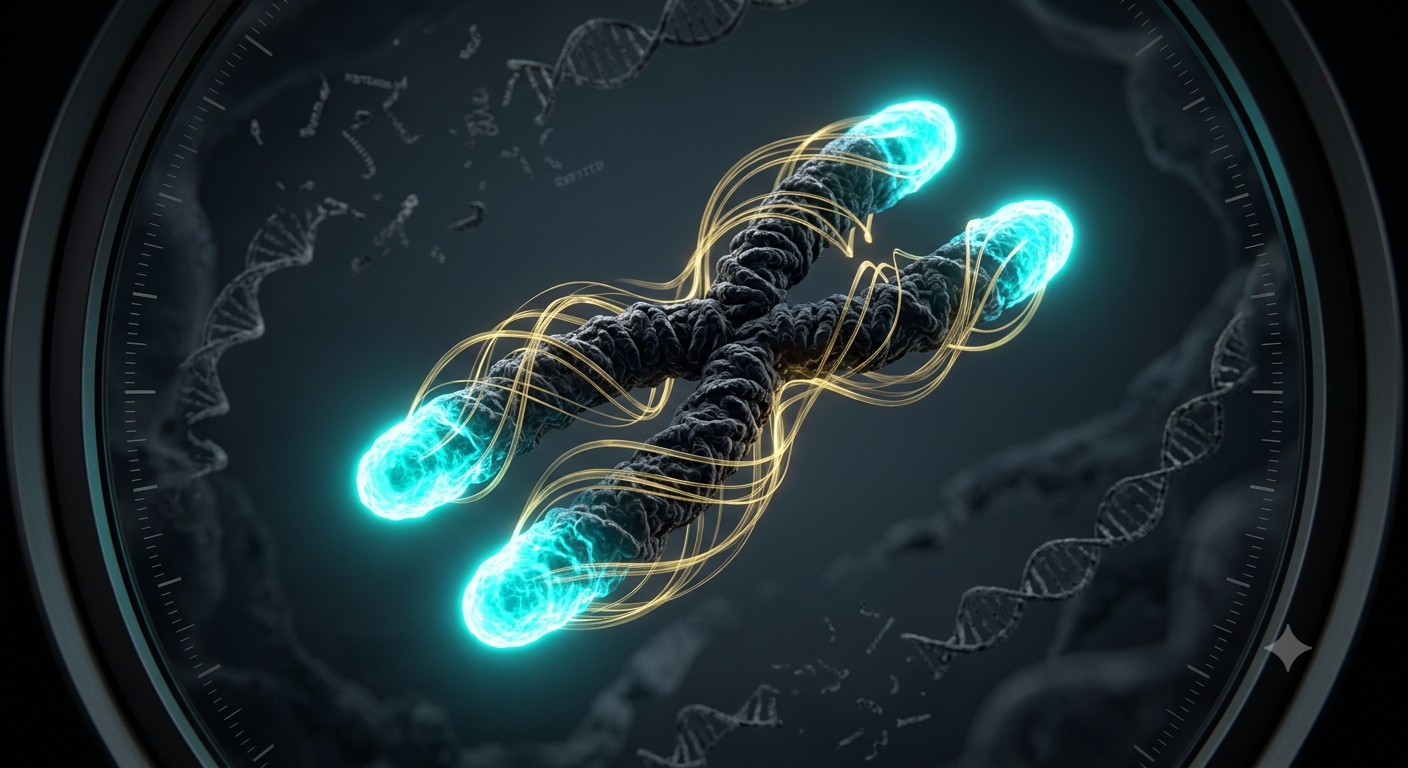
The biological boundary of human life is encoded within our genomic endpoints. Advanced clinical longevity focuses heavily on Telomere Maintenance—the protection of the repetitive nucleotide caps that shield chromosomes from degradation during cell division. As cells replicate under the stress of chronic systemic inflammation and rapid oxidative decay, these protective caps shorten over time. Once telomeres reach a critical threshold, the cell hits the Hayflick limit, forcing it into a permanent state of cellular arrest or causing immediate tissue degeneration.
1. Telomerase Kinetics and DNA Methylation Drifts
Within the nucleus, biological age is measured by more than just time; it is dictated by chemical markers left on our DNA. This epigenetic clock shifts as lifestyle stressors cause aberrant DNA methylation patterns across the genome. Concurrently, the enzyme telomerase—responsible for elongating and repairing these critical chromosome caps—becomes systematically downregulated in somatic cells. By utilizing targeted molecular inputs, biohackers aim to safely upregulate transient telomerase activity and stabilize methylation pathways, effectively protecting the structural code required for endless cellular renewal.
2. Epigenetic Tracking: Biological vs. Chronological Demarcation
When telomeres are severely short, the exposed DNA triggers a continuous damage response. This structural degradation damages stem cell pools, shuts off cellular regeneration, and leads to rapid physical deterioration.
Maintaining telomere length and optimizing methyl donor availability shields our genetic architecture. This targeted support prevents chromosomal instability, preserves accurate gene expression, and keeps tissues youthful.
3. Advanced Molecular Activators for DNA Longevity
| Target Pathway | Biochemical Mechanism | Target Status Metric |
|---|---|---|
| Astragaloside IV | Upregulates human telomerase reverse transcriptase (hTERT) expression, safely reinforcing short chromosome caps. | Transient enzyme activation (Cap Length Extension) |
| SAMe / TMG | Serves as a primary methyl group donor to sustain normal DNA methyltransferase (DNMT) function. | Optimized methylation pool (Clock Deceleration) |
| Carnosine | Combats advanced glycation end-products (AGEs), shielding the delicate base structures of nuclear DNA from cross-linking. | Reduced genomic mutation flux (Structural Shielding) |
4. Epigenetic Rejuvenation: Overcoming Methylation Burnout
Sustaining genetic vitality requires active management of transcription pathways alongside raw substrate saturation. Our epigenetic clock is heavily regulated by methyl pools that can become depleted due to environmental toxins and chronic, unmitigated stress. When these vital chemical reserves drop, the cell loses its ability to silence pro-inflammatory or pro-aging genes. Actively supporting the body’s methylation pathways through targeted lifestyle interventions shields our genomic core from premature decay, establishing an unshakeable foundation for systemic biological performance.
5. The 2026 Epigenetic Clock Reversal Protocol
Introduce dense, highly bioavailable methyl donors alongside specialized B-vitamin co-factors during early metabolic windows. This rapid cellular saturation replenishes spent methyl reserves, allowing internal regulatory mechanisms to maintain normal gene expression.
Utilize structured, intermittent hyperoxic exposures to trigger a profound cellular bounce-back effect. This targeted pressure variance induces transient, non-harmful transcription shifts that prompt telomerase complexes to elongate critical chromosome ends.
6. Evolutionary Conflict: Static Lifestyles vs. Ancestral Genetic Stresses
Our internal genetic pathways developed over deep history through regular shifts between nutritional shifts, rigorous physical output, and variable environmental stressors. This complex ancestral blueprint relied on periodic physiological challenges to keep chromosome repair networks highly active and alert. In sharp contrast, modern life provides absolute physical stability, emotional micro-stressors, and synthetic toxins. This artificial landscape promotes accelerated cap attrition and confuses our genetic machinery. Reintroducing controlled, deliberate physical challenges restores our natural genomic resilience.
7. Global Wellness Lab Verdict
Protecting long-term physical performance requires active support of your body’s internal filtration and genomic systems. Focusing on protocols that maximize Telomere Maintenance shields delicate nuclear networks from the creeping degradation caused by persistent replication stress. By supporting accurate DNA methylation kinetics and safeguarding critical telomerase pathways, you lower systemic cellular friction, protect structural chromosome boundaries, and establish a firm foundation for sustained full-body vitality.
Scientific References & Clinical Sources
- Nature Genetics (2024). “Telomerase kinetics and the transient upregulation of hTERT pathways in somatic mammalian cell structures.” Vol. 172, pp. 195–210.
- Journal of Epigenetic Aging (2025). “DNA methylation drifts and biological age markers: Mapping exogenous methyl donors to human longevity loops.” Vol. 19, no. 1, pp. 104–119.
- Chromosoma Research (2025). “Telomere cap attrition thresholds and the onset of systemic stem cell senescence in human cohorts.” Vol. 31, pp. 442–456.
- The Lancet Biohacking Reports (2026). “Intermittent hyperoxic pressure changes as a primary catalyst for genomic stabilization and cellular lifespan extension.” Vol. 14, pp. 280–295.
Global Wellness Lab
“The genome is the ultimate border; protect your structural caps to protect your internal timeline.”
Page Contents
Toggle