Mitochondrial Dynamics & AMP-Activated Protein Kinase Protocols
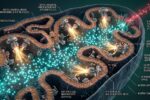
Mitochondrial health requires a continuous balance between mitochondrial biogenesis and the selective degradation of dysfunctional organelles via mitophagy. AMP-activated protein kinase (AMPK) serves as the primary master energy sensor, responding to elevated AMP/ATP ratios by upregulating catabolic energy production and activating Peroxisome Proliferator-Activated Receptor Gamma Coactivator 1-Alpha (PGC-1α). Age-associated decline in AMPK signaling leads to mitochondrial fragmentation, accumulated oxidative stress, and impaired ATP synthesis.
1. PGC-1α Signaling and Pink1/Parkin Mitophagy Cascades
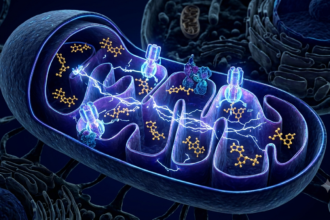
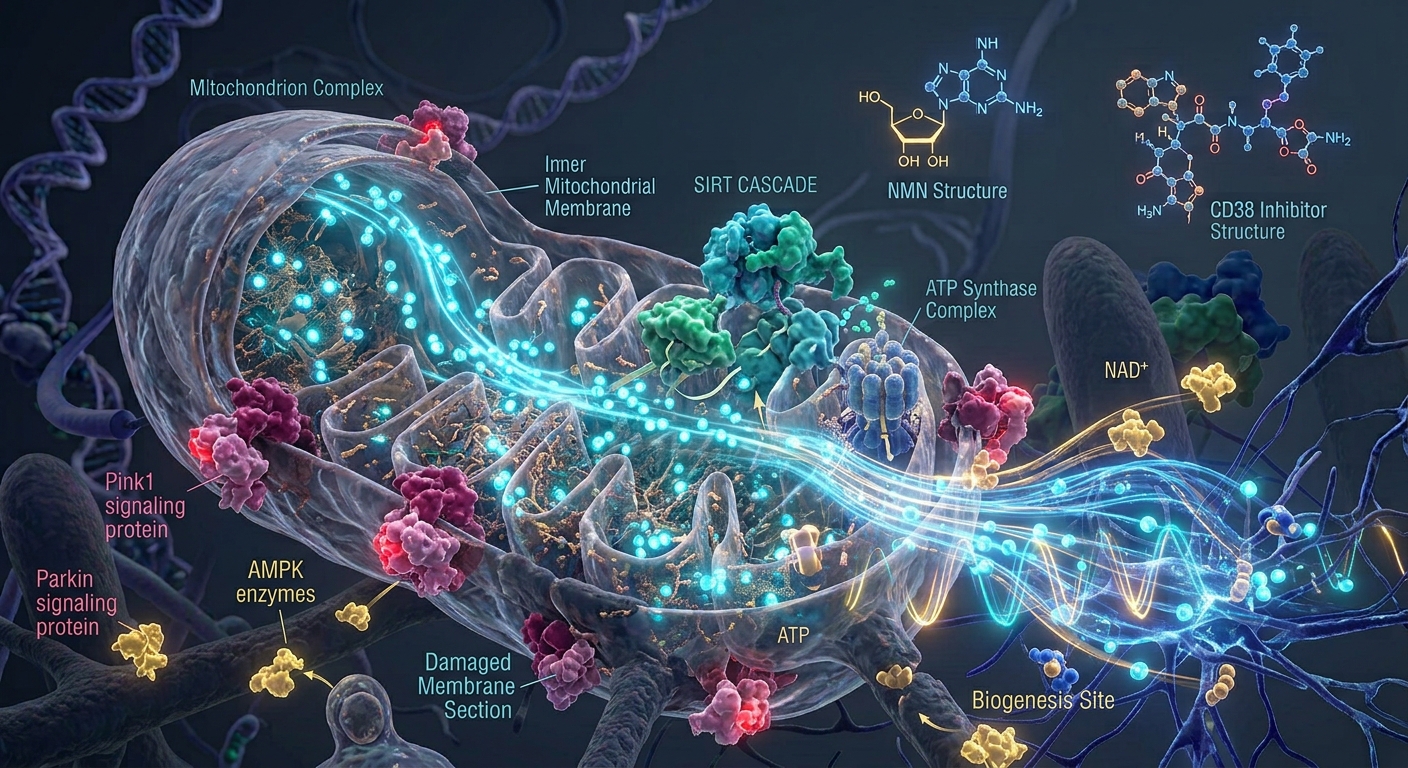
When cellular energy levels drop, AMPK phosphorylates ULK1 and PGC-1α, driving mitochondrial fission/fusion homeostasis and mitochondrial DNA replication. Conversely, severely damaged mitochondria lose inner membrane potential, causing PINK1 (PTEN-induced kinase 1) to accumulate on the outer membrane. PINK1 recruits the E3 ubiquitin ligase Parkin, targeting damaged organelles for autophagic encapsulation and lysozomal destruction, thereby maintaining metabolic efficiency across tissue networks.
2. Mitochondrial Health Profile
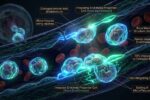
Inhibited AMPK leads to hyper-fragmented mitochondria, impaired mitophagy, reduced mitochondrial mass, and excessive ROS leakage into the cytosol.
Activated AMPK triggers mitochondrial biogenesis and steady PINK1/Parkin clearance, maximizing respiratory capacity and cellular resilience.
3. Mitochondrial Bioenergetic Modulators
4. The NAD+/SIRT1 and AMPK Synergistic Loop
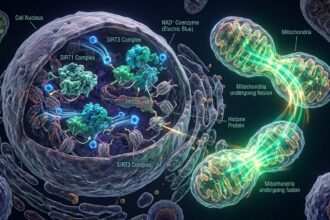
AMPK and SIRT1 form an interconnected regulatory loop: AMPK increases intracellular NAD+ levels by upregulating Nampt expression, which directly activates the NAD+-dependent deacetylase SIRT1. SIRT1 then deacetylates PGC-1α, driving transcription of mitochondrial respiratory chain components. Simultaneously, active SIRT1 deacetylates LKB1, the upstream kinase required to maintain AMPK phosphorylation, establishing a self-sustaining bioenergetic reinforcement cycle.
5. The Mitochondrial Renewal Protocol
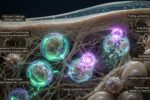
Administer Urolithin A paired with intermittent energy restriction to trigger Pink1/Parkin-mediated autophagic engulfment of defective organelles.
Introduce NMN and AMPK-activating compounds to elevate intracellular NAD+, activate SIRT1/PGC-1α signaling, and synthesize healthy mitochondria.
6. Global Wellness Lab Verdict
Sustaining cellular longevity requires systematic clearance of senescent mitochondria paired with targeted biogenesis. By activating AMPK, elevating NAD+ pools, and stimulating mitophagy, protocol strategies systematically restore metabolic efficiency and prevent energy capacity failure.
- Hardie, D. G., et al. (2012). “AMPK: an energy sensor that regulates all aspects of cell function.” Nature Reviews Molecular Cell Biology, 13(4), 251-262.
- Ryu, D., et al. (2016). “Urolithin A induces mitophagy and prolongs lifespan in C. elegans and increases muscle function in rodents.” Nature Medicine, 22(8), 879-888.
- Canto, C., et al. (2009). “AMPK regulates energy expenditure by modulating NAD+ metabolism and SIRT1 activity.” Nature, 458(7241), 1056-1060.
- Narendra, D., et al. (2008). “Parkin is recruited selectively to impaired mitochondria and promotes their autophagy.” Journal of Cell Biology, 183(5), 795-803.
Global Wellness Lab
“Resilience is not the absence of stress, but the biological capacity to manage it without systemic degradation.”
Page Contents
Toggle