Targeted Cellular Senescence Clearance & SASP Modulation Protocols
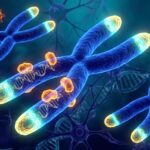
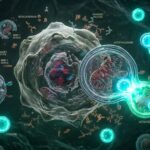
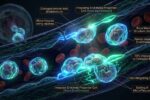
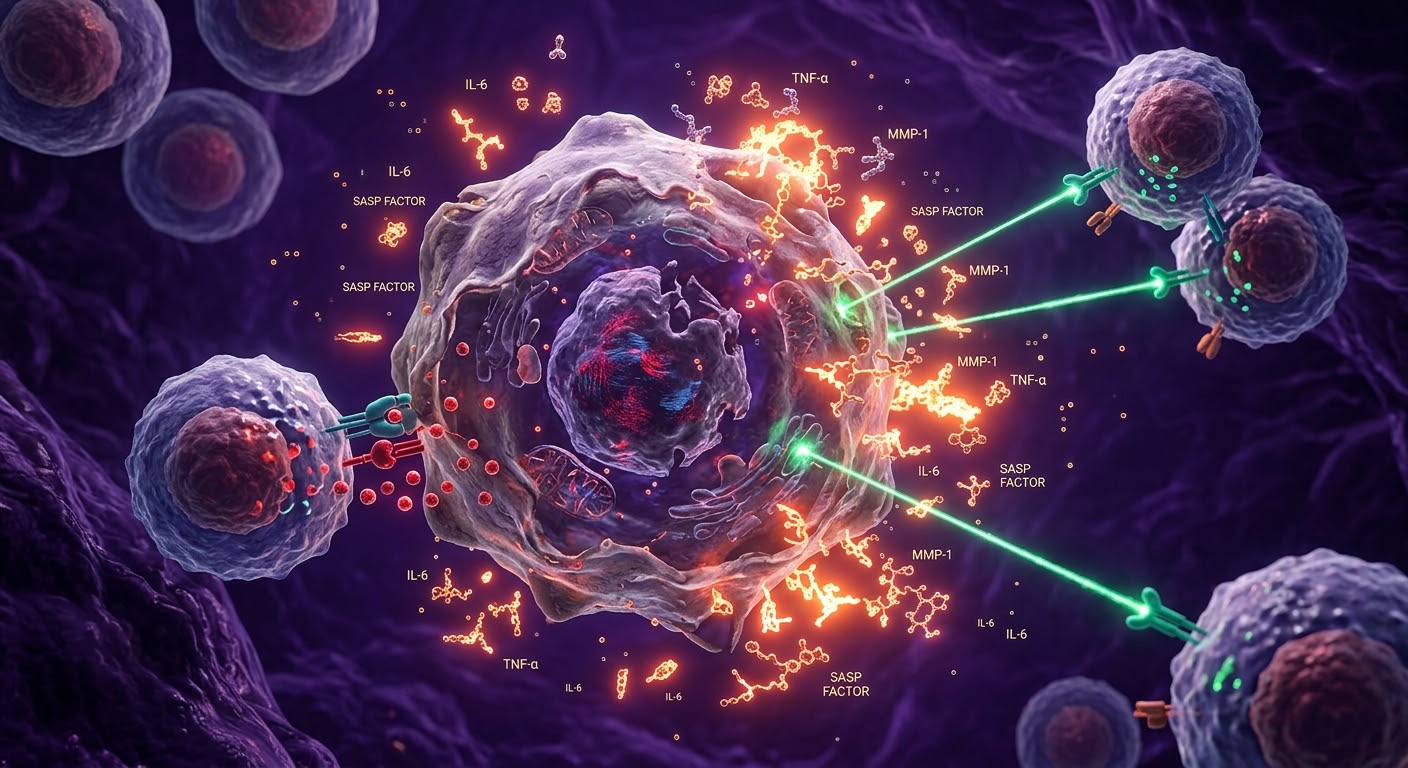
Cellular senescence is a state of permanent cell-cycle arrest triggered by unrepairable DNA damage, telomere attrition, or oncogenic stress. While senescence initially prevents malignant transformation, the progressive accumulation of senescent cells with age degrades tissue function. These cells resist apoptosis via Up-regulated Senescent Cell Anti-Apoptotic Pathways (SCAPs) and secrete a pro-inflammatory cocktail known as the Senescence-Associated Secretory Phenotype (SASP).
1. Molecular Drivers: p16INK4a, p21CIP1, and SCAP Survival Networks
The senescent arrest is primarily enforced by cyclin-dependent kinase inhibitors p16INK4a and p21CIP1. To survive despite profound intracellular damage, senescent cells rely on SCAPs—including BCL-2/BCL-XL family pro-survival proteins, PI3K/AKT nodes, and heat shock response pathways. Inhibiting these SCAP survival networks selectively triggers apoptosis in senescent cells while leaving healthy, proliferating cells intact.
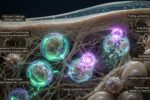
2. Tissue Senescence Profile
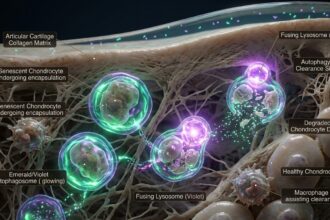
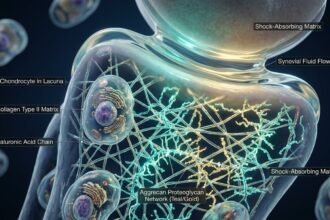
High senescent cell burden drives local tissue fibrosis, extracellular matrix degradation via MMPs, and converts neighboring healthy cells into senescent cells via paracrine SASP signaling.
Intermittent elimination of p16/p21 positive cells alleviates systemic inflammation, unblocks resident stem cell niches, and enhances functional organ capacity.
3. Senolytic & Senomorphic Agents
4. Senolytic “Hit-and-Run” Dosing Strategy
Unlike traditional pharmaceuticals requiring continuous presence, senolytics operate via a “hit-and-run” protocol. Because senescent cells require weeks to re-accumulate following clearance, brief pulse treatments (1 to 3 consecutive days per month) suffice to clear senescent populations, disable survival networks, and reset the microenvironment without causing off-target toxicity in healthy proliferating tissues.
5. The Targeted Senolytic Clearance Protocol
Administer high-dose Fisetin or D+Q combination in a pulsed 2-day regimen to selectively disarm SCAP anti-apoptotic networks and execute clearance of p16 positive cells.
Maintain low-dose Apigenin between senolytic cycles to continuously suppress NF-κB inflammatory cytokines, preserving stem cell niche vitality.
6. Global Wellness Lab Verdict
Targeting cellular senescence represents a pivotal advancement in tissue rejuvenation protocols. By utilizing pulsed senolytic agents alongside daily senomorphic intervention, clinicians can systematically reduce inflammatory burden and unlock native regenerative capabilities.
- Kirkland, J. L., & Tchkonia, T. (2020). “Senolytic drugs: from discovery to translation.” Journal of Internal Medicine, 288(5), 518-536.
- Yousefzadeh, M. J., et al. (2018). “Fisetin is a senotherapeutic that extends health and lifespan.” EBioMedicine, 36, 18-28.
- Xu, M., et al. (2018). “Senolytics improve physical function and increase lifespan in old age.” Nature Medicine, 24(8), 1246-1256.
- Coppe, J. P., et al. (2008). “Senescence-associated secretory phenotypes reveal cell-nonautonomous functions of oncogenic RAS and the p53 tumor suppressor.” PLOS Biology, 6(12), e301.
Global Wellness Lab
“Resilience is not the absence of stress, but the biological capacity to manage it without systemic degradation.”
Page Contents
Toggle