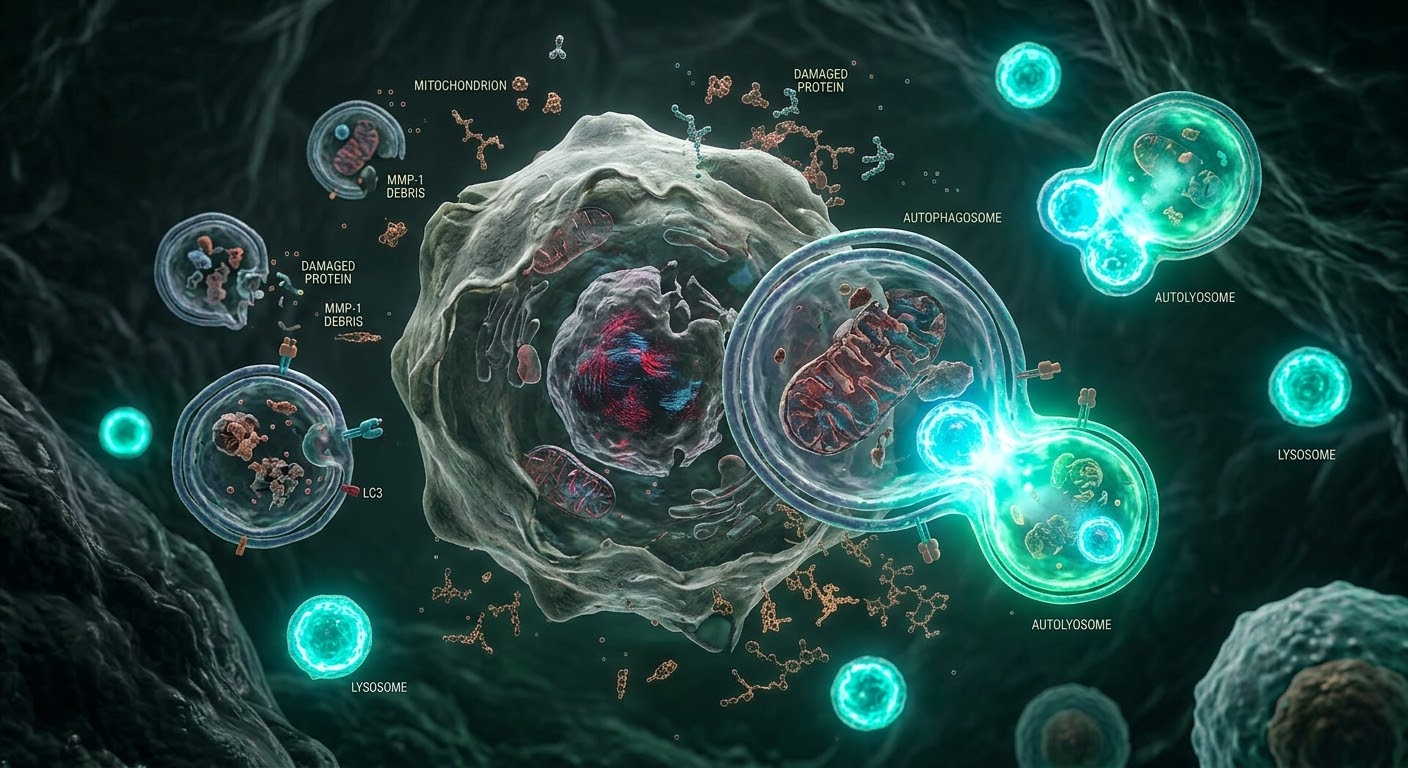
Macroautophagy Optimization & Lysosomal Proteostasis Protocols
Macroautophagy is the primary catabolic process responsible for degrading misfolded protein aggregates and damaged cellular structures. Controlled by nutrient-sensing pathways, autophagy prevents intracellular protein toxicity and maintains proteostasis. Nutrient excess hyperactivates Mechanistic Target of Rapamycin Complex 1 (mTORC1), suppressing autophagic initiation and leading to lysosomal dysfunction, protein aggregation, and metabolic decay.
1. mTORC1 Inhibition and TFEB Nuclear Translocation
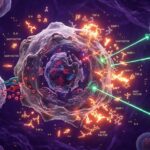
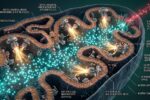
Active mTORC1 phosphorylates Transcription Factor EB (TFEB) at Ser211, retaining it in the cytoplasm and halting lysosomal biogenesis. Under nutrient restriction or pharmacological inhibition, mTORC1 dissociates from the lysosomal membrane, allowing dephosphorylated TFEB to translocate into the nucleus. TFEB upregulation triggers the Coordinated Lysosomal Expression and Regulation (CLEAR) network, activating autophagosome assembly, lysosomal acidification, and hydrolase activity.
2. Cellular Proteostasis Profile
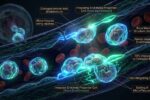
Persistent nutrient saturation keeps TFEB cytoplasmic, blocking autophagosome-lysosome fusion and driving toxic protein aggregation within the cytosol.
Targeted mTORC1 suppression restores v-ATPase proton pump activity, accelerating autophagic clearance and maintaining intracellular proteostasis.
3. Autophagy Inducers & Lysosomal Modulators
4. Autophagosome-Lysosome Fusion Dynamics
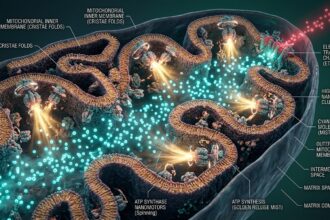
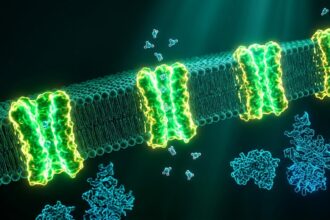
The terminal phase of autophagy requires seamless autophagosome-lysosome fusion mediated by SNARE protein complexes (STX17, VAMP8, SNAP29). Maintaining low lysosomal pH through ATP-dependent proton pumps (v-ATPase) ensures optimal cathepsin enzyme activity. Suppressing systemic inflammation prevents lysosomal membrane permeabilization, preserving organelle degradation capacity.
5. The Lysosomal Proteostasis Protocol
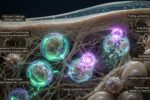
Implement short-term caloric restriction paired with Spermidine and Trehalose to drive TFEB nuclear import and initiate autophagosome formation.
Provide bioavailable polyphenols to stabilize lysosomal membranes, optimize v-ATPase function, and complete catabolic degradation.
6. Global Wellness Lab Verdict
Preserving long-term cellular integrity requires regular upregulation of autophagic flux. Combining intermittent nutrient restriction, mTORC1 suppression, and TFEB activation clears intracellular debris, prevents protein toxicity, and supports sustained metabolic efficiency.
- Mizushima, N., & Komatsu, M. (2011). “Autophagy: renovation of cells and tissues.” Cell, 147(4), 728-741.
- Sardiello, M., et al. (2009). “A gene network regulating lysosomal biogenesis and function.” Science, 325(5939), 473-477.
- Madeo, F., et al. (2018). “Spermidine: a physiological autophagy inducer acting as an anti-aging vitamin in humans?” Autophagy, 15(1), 165-168.
- Settembre, C., et al. (2011). “TFEB links autophagy to lysosomal biogenesis.” Science, 332(6036), 1429-1433.
Global Wellness Lab
“Resilience is not the absence of stress, but the biological capacity to manage it without systemic degradation.”
Page Contents
Toggle