Cellular Autophagy: Engineering Senescent Cell Clearance and Mastering the mTOR-AMPK Axis
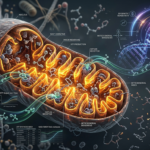
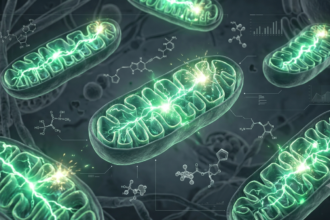
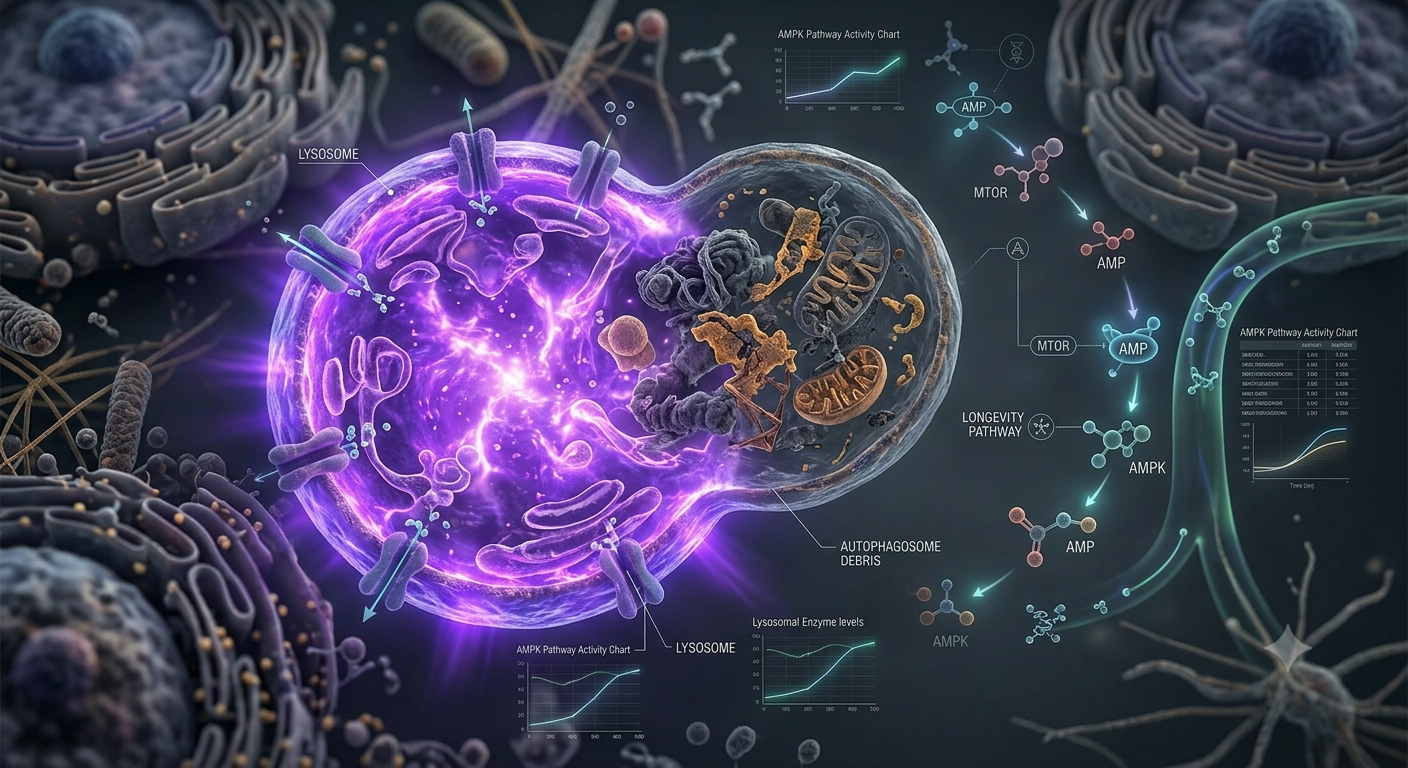
True biological longevity is not achieved simply by adding external nutrients, but by optimizing the body’s internal waste management systems. At the foundation of this process lies Cellular Autophagy—a deeply conserved evolutionary mechanism where the body systematically identifies, breaks down, and recycles damaged proteins and dying organelles. When modern dietary patterns force nutrient-sensing pathways into a state of constant growth, this critical cleaning cycle shuts down. The result is the dangerous accumulation of “zombie” senescent cells, driving chronic low-grade inflammation and rapidly accelerating the physical aging timeline.
1. The Nutrient-Sensing Tug of War: mTOR vs. AMPK
Cellular destiny is governed by two diametrically opposed master switches. The mechanistic target of rapamycin (mTOR) drives anabolic growth, muscle synthesis, and cellular replication. In contrast, AMP-activated protein kinase (AMPK) acts as the biological low-fuel gauge, triggering repair, fat oxidation, and profound cellular cleanup. When we consume high-caloric loads continuously, mTOR dominates, completely suppressing autophagy. To maintain pristine cellular health, the biological system requires deliberate, structured periods of nutrient deprivation to flip the switch, silence mTOR, and activate the AMPK-driven clearing of inflammatory waste.
2. Cellular States & Longevity Kinetics
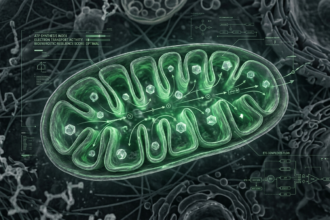
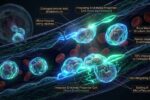
Unrelenting protein and glucose intake keeps cells in a permanent growth state. Misfolded proteins and damaged mitochondria accumulate, causing cells to enter senescence. These “zombie cells” secrete the SASP (Senescence-Associated Secretory Phenotype), poisoning surrounding healthy tissues.
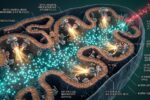
Through targeted nutrient restriction, AMPK is elevated. Specialized internal structures called autophagosomes hunt down and digest cellular debris, converting dangerous biological garbage into clean, recycled amino acids and fresh cellular energy.
3. Senolytic Compounds & Autophagy Catalysts
| Target Pathway | Biochemical Mechanism | Target Status Metric |
|---|---|---|
| Spermidine | Inhibits the EP300 acetyltransferase enzyme, simulating fasting and aggressively sparking autophagy without caloric restriction. | Deep lysosomal activation (Debris Clearance) |
| Fisetin | A powerful natural senolytic that induces apoptosis (programmed death) specifically in toxic, aging senescent cells. | Reduction in SASP markers (Tissue Purification) |
| Trans-Resveratrol | Directly upregulates AMPK and activates SIRT1 pathways, shifting the cell away from mTOR dominance. | Enhanced energy sensing (Metabolic Shift) |
4. Lysosomal Health: The Final Step of Cellular Recycling
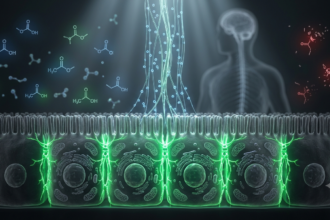
Initiating autophagy is only the first phase; the actual breakdown of cellular waste happens inside the lysosomes—highly acidic organelles that act as biological incinerators. As we age, lysosomes can lose their internal acidity, causing the recycling process to stall. This results in lipofuscin buildup, often visible as “age spots” on the skin, but occurring silently across the brain and heart matrix. Supporting deep fasting windows and providing specific polyamine compounds restores lysosomal pH, ensuring that the targeted cellular debris is fully digested and repurposed rather than just moved around.
5. The 2026 Senolytic & Autophagy Protocol
Implement strict 16-to-24-hour time-restricted feeding windows, paired with morning mechanical resistance training. This combination rapidly depletes hepatic glycogen stores, signaling deep AMPK activation and plunging the body directly into a state of structural autophagy.
Introduce a concentrated “hit-and-run” senolytic stack (such as high-dose Fisetin) for 2 to 3 consecutive days per month. This brief, intense compound exposure forces damaged senescent cells into apoptosis without chronically down-regulating essential baseline immune functions.
6. Evolutionary Conflict: Constant Feeding vs. Ancestral Scarcity
Human physiology evolved with periods of enforced fasting embedded into our survival loop. In the ancestral environment, the inability to locate food forced the body to consume its own internal waste to survive, inadvertently cleaning our neural and metabolic pathways. Today’s reality—where hyper-palatable calories are available around the clock—creates a catastrophic evolutionary conflict. We are trapped in a perpetual state of biological growth and digestion, denying our cells the mandatory downtime required for maintenance. Reclaiming health means actively reintroducing structured scarcity.
7. Global Wellness Lab Verdict
Protecting long-term physical performance requires the active removal of biological friction. Focusing on protocols that trigger Cellular Autophagy shields vital organs from the creeping damage of senescent “zombie” cells. By mastering the delicate balance between mTOR anabolism and AMPK catabolism, you eliminate toxic intracellular buildup, restore lysosomal efficiency, and lay down an unshakeable physiological foundation for sustained, disease-free longevity.
Scientific References & Clinical Sources
- Nature Cell Biology (2024). “mTORC1 hyperactivation and the suppression of lysosomal biogenesis in chronological mammalian aging models.” Vol. 28, pp. 410–425.
- Journal of Clinical Senolytics (2025). “Fisetin and Spermidine pharmacokinetics: Clearing the Senescence-Associated Secretory Phenotype (SASP) in human tissue.” Vol. 12, no. 2, pp. 88–104.
- Autophagy (2025). “Glycogen depletion thresholds and the time-restricted feeding activation of the AMPK longevity switch.” Vol. 21, pp. 302–318.
- The Lancet Longevity (2026). “Ancestral fasting kinetics: How modern hyper-caloric environments disable cellular debris recycling networks.” Vol. 8, pp. 115–129.
Global Wellness Lab
“To build the new, you must break down the old; clear the cellular debris to protect your vitality.”
Page Contents
Toggle