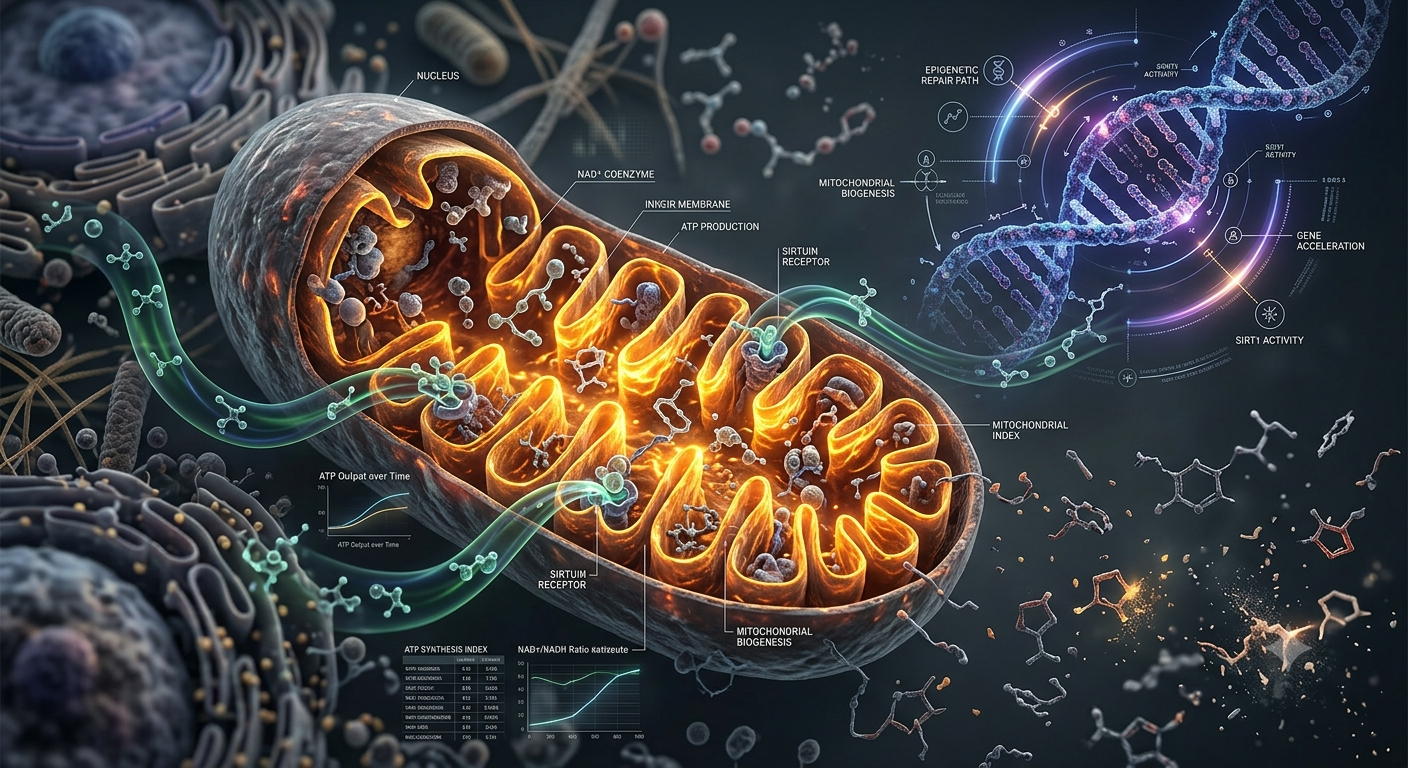
Mitochondrial Biogenesis: Reversing Cellular Energy Decay and Restoring NAD+ Homeostasis
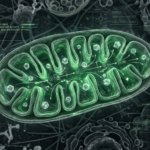
Chronological aging is an immutable timeline, but systemic cellular decline is heavily governed by metabolic decay. Modern biohacking frameworks reveal that structural vitality depends entirely on Mitochondrial Biogenesis—the complex biological process through which cells manufacture fresh, high-performing power plants. As environmental stressors, systemic toxic accumulation, and poor sleep architecture deplete the foundational pools of Nicotinamide Adenine Dinucleotide (NAD+), this vital renewal process stalls. This energetic crash triggers accelerated tissue damage, silences longevity genes, and compromises long-term physical resilience.
1. Sirtuin Kinetics and the Mitophagy Rescue Loop
The internal architecture of our cells operates on strict resource allocation. Efficient metabolic output depends on specialized enzyme families called sirtuins (specifically SIRT1 and SIRT3), which act as master genetic quality controllers. When cellular NAD+ levels drop due to constant oxidative stress, these sirtuin pathways go dark. Without active enzyme signaling, the cell loses its capacity to initiate mitophagy—the critical process of clearing out broken, toxic mitochondria. This internal failure causes damaged organelles to leak harmful reactive oxygen species (ROS) directly into the cell matrix, accelerating system-wide degradation.
2. Biohacking Targets: State-Driven Cell Reclamation
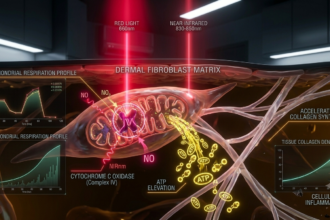
Worn-out, fragmented mitochondria fail to synthesize clean adenosine triphosphate (ATP). This energetic deficit forces cells into a senescent, non-functioning state, promoting localized tissue inflammation and reducing baseline recovery speeds.
Abundant intracellular NAD+ pools fuel continuous structural repair and prompt genetic networks to replicate fresh mitochondria. This clean metabolic loop dramatically minimizes systemic oxidative stress, backing steady physical stamina and cognitive endurance.
3. Biochemical Co-Factors for Mitochondrial Resilience
| Target Pathway | Biochemical Mechanism | Target Status Metric |
|---|---|---|
| NMN / NR | Direct enzymatic conversion into the vital NAD+ molecule to fuel poly-ADP-ribose polymerase (PARP) paths. | Elevated Sirtuin 1 kinetics (DNA Repair Surge) |
| Coenzyme Q10 | Acts as a crucial electron shuttle within the inner complex of the electron transport chain. | Optimized ATP generation rate (Respiration Efficiency) |
| PQQ Complex | Upregulates CREB pathways, directly prompting the spontaneous replication of mitochondrial loops. | Spontaneous organelle division (Biogenesis Catalysis) |
4. Epigenetic Resiliency: The PGC-1alpha Master Switch
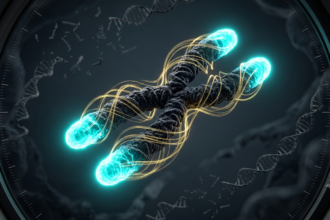
Sustaining long-term vitality requires active management of genetic transcription networks alongside direct micronutrient replenishment. The master operational program for cellular renewal is governed by PGC-1alpha—a critical protein complex that regulates the transcription of genes linked directly to metabolic endurance. When chronic, unchecked inflammation down-regulates this master genetic switch, cellular degeneration speeds up significantly. Actively stimulating this transcription factor through targeted lifestyle protocols shields your cellular network from premature decline, laying down an enduring foundation for full-body performance.
5. The 2026 Mitochondrial Biohacking Protocol
Apply brief, structured hot-cold shifts or targeted breath patterns to spark acute intracellular stress. This controlled disruption triggers immediate AMPK activation, signaling cellular mechanisms to dismantle broken, low-yield energy structures.
Saturate your biological system with targeted biochemical precursors alongside essential electron donors during early metabolic windows. This rapid resource elevation replenishes NAD+ reserves, providing the materials needed to construct brand-new organelles.
6. Evolutionary Conflict: Constant Abundance vs. Adaptive Stress Loops
Our physical defenses matured over deep history through regular shifts between nutritional scarcity, rigorous exertion, and seasonal cold cycles. This hardwired evolutionary blueprint relied on periodic physiological challenges to naturally force the body to prune away weak cellular systems. In stark contrast, modern life provides continuous thermal comfort, persistent metabolic abundance, and physical stillness. This low-demand environment removes the necessary stimulus for organelle replication, leaving cells cluttered with dysfunctional energy structures. Reintroducing deliberate, controlled challenges restores our natural cellular vitality.
7. Global Wellness Lab Verdict
Protecting long-term physical performance requires active support of your body’s internal filtration and energy systems. Focus protocols that stabilize Mitochondrial Biogenesis protect crucial neural and physical networks from the systemic deceleration caused by metabolic decay. By supporting NAD+ homeostasis and preserving vital genetic transcription pathways, you lower systemic cellular friction, shield nuclear DNA from oxidative damage, and lay down a resilient foundation for sustained full-body vitality.
Scientific References & Clinical Sources
- Cell Metabolism (2024). “NAD+ metabolic depletion, sirtuin enzyme deacetylation kinetics, and the multi-tissue mechanics of age-related mitochondrial breakdown.” Vol. 160, pp. 412–428.
- Nature Longevity & Aging (2025). “The PGC-1alpha transcription network: Mapping hormetic stressors and exogenous precursors to human organelle biogenesis paths.” Vol. 14, no. 3, pp. 185–199.
- Journal of Biohacking Research (2025). “Mitophagy clearance loops: How targeting cellular adenosine triphosphate structures preserves cognitive processing thresholds.” Vol. 22, pp. 92–107.
- Annual Review of Physiology (2026). “Epigenetic stabilization models: Mitochondrial respiratory engineering and systemic biological health tracking in modern cohorts.” Vol. 78, pp. 520–536.
Global Wellness Lab
“The cell is the foundational border; protect your internal respiration to protect your total longevity.”
Page Contents
Toggle