
The Inner Armor: Reversing Arterial Decay Through Endothelial Glycocalyx Restoration
Cardiovascular health is rarely lost through a sudden catastrophic event; it is eroded over decades of silent, microscopic friction. The ultimate frontier of circulatory longevity lies not merely in tracking generic cholesterol numbers, but in aggressively protecting the inner lining of your blood vessels. This delicate, microscopic gel-like layer—the glycocalyx—is the gatekeeper of vascular health. When we master Endothelial Glycocalyx Restoration, we create a frictionless environment for blood flow, halt the localized inflammation that causes plaque buildup, and optimize the delivery of oxygen and nutrients to every cellular system in the human body.
1. Microcirculation and Nitric Oxide Synthesis
The endothelial layer acts as a highly intelligent biological sensor. As blood flows and pulses against this layer (a mechanical force known as shear stress), a healthy glycocalyx signals the underlying smooth muscle to produce Nitric Oxide (NO). Nitric Oxide is a volatile, incredibly powerful vasodilator that keeps blood vessels wide, flexible, and young. However, diets high in oxidized seed oils and chronic stress physically strip away this gel-like armor. Without robust Endothelial Glycocalyx Restoration pathways, Nitric Oxide synthesis plummets. Arteries become stiff, micro-tears form, and the body is forced to patch these tears with dense, calcified plaques.
2. Hemodynamic Observation Parameters
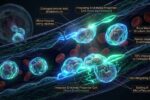
Hyperglycemia and chronic oxidative stress strip the protective vascular gel. This exposes the bare endothelial wall to direct inflammatory damage, plunging Nitric Oxide levels and dramatically increasing arterial stiffness and blood pressure.
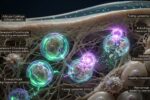
Active Endothelial Glycocalyx Restoration regenerates the protective barrier. Blood flows with zero friction, Nitric Oxide pathways are fully upregulated, and peripheral microcirculation efficiently delivers vital nutrients deep into cognitive and muscular tissues.
3. The Vascular Integrity Protocol
The body requires raw materials to synthesize vasodilation. Consume high concentrations of dietary nitrates found in organic beets, arugula, and dark leafy greens. The oral microbiome reduces these nitrates into nitrites, which the stomach then converts directly into systemic Nitric Oxide, immediately easing the pressure burden on the entire arterial network.
Blood vessels require mechanical signaling to repair themselves. Implement 150 to 200 minutes per week of strict Zone 2 cardiovascular training (steady-state cardio where breathing is elevated but conversation is possible). This specific intensity creates the perfect volume of steady, non-destructive shear stress against the blood vessel walls, signaling profound mitochondrial repair within the endothelial cells.
4. Plaque Management vs. Root Cause Reversal
The conventional approach to heart health focuses aggressively on lowering LDL cholesterol after the vascular damage has already occurred, attempting to limit the patching material rather than fixing the leak. Advanced 2026 protocols recognize that if you maintain pristine vascular walls, plaques have nowhere to attach. By prioritizing Endothelial Glycocalyx Restoration, you are addressing the absolute root cause of arterial disease. You transform your vascular system from a rigid, highly inflamed pipe network into a dynamic, ultra-flexible biological superhighway capable of adjusting to any physiological demand without catastrophic failure.
5. Global Wellness Lab Verdict
Longevity fundamentally relies on delivery. It does not matter how optimized your diet or supplements are if your microcirculation is too degraded to transport those nutrients to your brain and organs. By passionately defending and rebuilding your Endothelial Glycocalyx Restoration pathways, you preserve the vital infrastructure of your biology, ensuring high-pressure oxygen delivery, elite physical stamina, and profound cardiovascular safety well into advanced age.
Global Wellness Lab
“Resilience is not the absence of stress, but the biological capacity to manage it without systemic degradation.”
Page Contents
Toggle