Cellular Autophagy Protocols: NAD+ Dynamics & Sirtuin Signaling
Macroautophagy—the conserved lysosomal degradation pathway—is the primary mechanism by which human cells eliminate aggregated proteins, dysfunctional organelles, and intracellular pathogens. As tissue systems age, systemic levels of Nicotinamide Adenine Dinucleotide (NAD+) decline steeply, blunting the enzymatic activity of NAD+-dependent deacetylases (Sirtuins). This decline leads to impaired autophagic flux, accumulation of senescent cellular waste, and progressive bioenergetic failure. Systematically restoring intracellular NAD+ pools while inhibiting mTORC1 activates Sirtuin signaling, driving rapid cellular clearance and tissue renewal.
1. Sirtuin Activation and Lysosomal Fusion
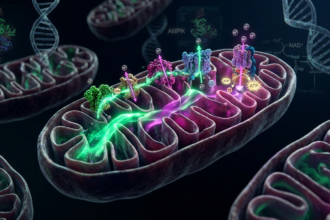
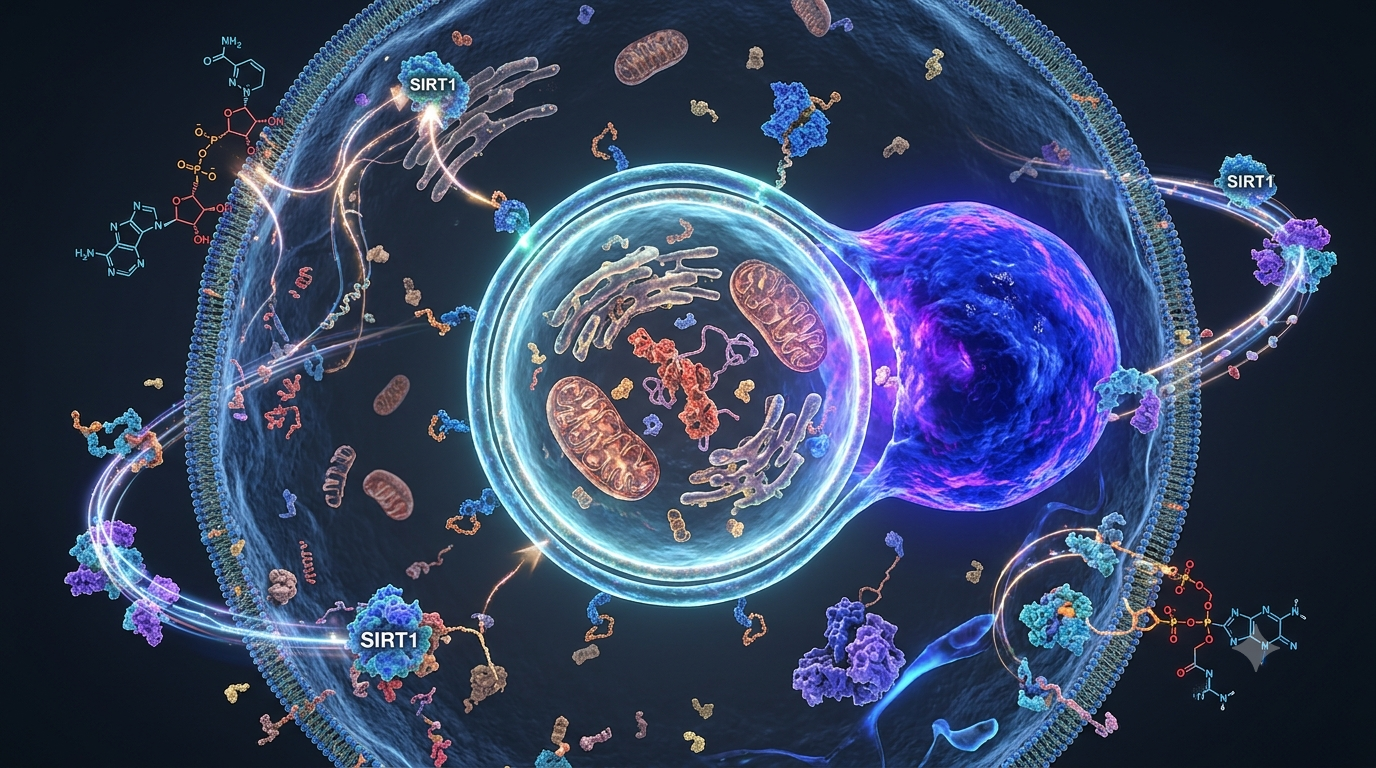
SIRT1 and SIRT3 serve as central molecular switches for metabolic adaptation. When intracellular NAD+ levels rise during nutrient scarcity, SIRT1 deacetylates key autophagic machinery, including ATG5, ATG7, and LC3, facilitating double-membrane autophagosome formation. Simultaneously, mitochondrial SIRT3 deacetylates mitochondrial enzymes to reduce oxidative stress and promote mitochondrial recycling (mitophagy). This coordinated cascade clears damaged debris before it can trigger chronic inflammaging pathways.
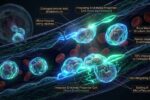
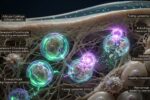
2. Cellular Recycling State Analysis
Continuous nutrient sensing blocks autophagosome initiation, resulting in cellular junk accumulation, decreased stress resilience, and accelerated metabolic aging.
Rapid recycling of damaged proteins into amino acids, restored mitochondrial efficiency, and heightened resistance to metabolic and environmental stressors.
3. Key Targeted Autophagy Inducers
4. Nutrient Deprivation and Circadian Timing
Autophagy is tightly coupled to circadian rhythms and energetic status. Intermittent fasting protocols exceeding 16–18 hours deplete liver glycogen, lowering systemic insulin levels and relieving mTOR-mediated repression of the ULK1 complex. Aligning nutrient restriction windows with late afternoon or evening fasting synchronizes SIRT1 expression with natural nocturnal repair cycles, maximizing systemic autophagic clearance during sleep.
5. The Cellular Renewal Protocol
Implement an 18:6 time-restricted feeding strategy twice weekly, combined with NAD+ precursors and Resveratrol in the morning to elevate the NAD+/NADH ratio and prime Sirtuin activation.
Introduce Spermidine supplementation towards the end of the fasting window prior to re-feeding, stimulating TFEB nuclear translocation for comprehensive protein aggregation removal.
6. Global Wellness Lab Verdict
Maintaining optimal autophagic flux is non-negotiable for longevity and cellular resilience. By strategically combining periodic nutrient deprivation, NAD+ optimization, and targeted autophagic mimetics like Spermidine, you prevent intracellular waste accumulation and safeguard long-term tissue function.
- Mizushima, N., & Komatsu, M. (2011). “Autophagy: renovation of cells and tissues.” Cell, 147(4), 728-741.
- Madeo, F., et al. (2018). “Spermidine: a physiological autophagy inducer acting as a anti-aging agent in humans.” Autophagy, 15(1), 165-168.
- Imai, S., & Guarente, L. (2014). “NAD+ and sirtuins in aging and disease.” Trends in Cell Biology, 24(8), 464-471.
- Eisenberg, T., et al. (2009). “Induction of autophagy by spermidine promotes longevity.” Nature Cell Biology, 11(11), 1305-1314.
- Settembre, C., et al. (2011). “TFEB links autophagy to lysosomal biogenesis.” Science, 332(6036), 1429-1433.
Global Wellness Lab
“Resilience is not the absence of stress, but the biological capacity to manage it without systemic degradation.”
Page Contents
Toggle