The Neuro-Energetic Edge: Overcoming Brain Hypometabolism via Strategic Brain Fuel Optimization
Scaling the limits of human intelligence demands an aggressive shift toward cellular efficiency within the central nervous system. Achieving peak cognitive resilience requires targeted Brain Fuel Optimization. The human brain consumes a disproportionate amount of metabolic energy compared to its mass. When the cerebral matrix relies on sub-optimal fuel delivery systems, processing speed drops, signaling pathways stall, and structural decline begins. To bypass this decay, biohackers must actively upgrade the brain’s primary energy source to fuel synaptic plasticity and maintain a durable cognitive performance baseline.
1. Chronic Brain Hypometabolism and the Cascade of Cognitive Fatigue
The underlying cause of modern executive burnout is often brain hypometabolism—a state where cortical neurons lose their capacity to efficiently absorb and metabolize glucose. This metabolic bottleneck starves the mitochondrial neuro-energetics grid, leading directly to synaptic pruning and localized oxidative stress. Without regular Brain Fuel Optimization, chronic hypometabolism suppresses the brain’s natural self-repair pathways. This stagnation accelerates biological brain age and blocks the neurological resources needed to sustain high-stakes focus under acute mental stress.
2. Neurological System State Assays
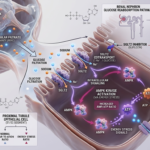
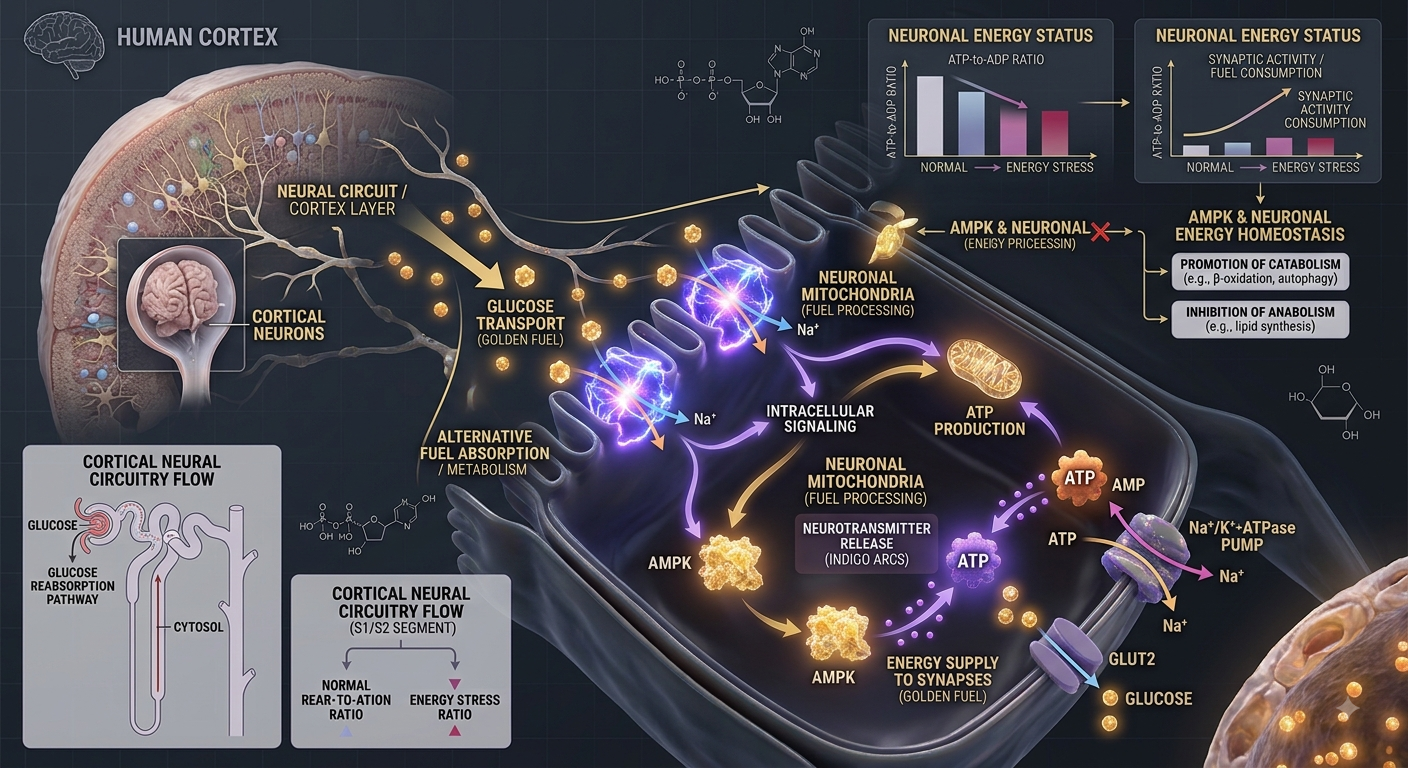
Fluctuating blood sugar drops GLUT transporter efficiency across the blood-brain barrier. This fuel shortage slows down neurotransmitter synthesis, increases neural inflammation, and causes severe mental fatigue.
Deploying a structured Brain Fuel Optimization protocol shifts neurons toward burning alternative substrates. This fuel source stabilizes ATP production, lowers cellular oxidative stress, and provides a highly predictable cognitive performance baseline.
3. Alternate Substrate Kinetic Models
4. BDNF Gene Expression and TrkB Receptor Activation
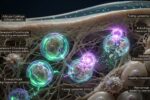
The ultimate objective of neuro-hacking is to stimulate structural adaptation through the upregulation of Brain-Derived Neurotrophic Factor (BDNF). BDNF gene expression functions as the catalyst for neural growth, responsible for the creation, survival, and integration of newborn neurons. When optimized fuel profiles saturate the cortical landscape, they bind to and activate Tropomyosin receptor kinase B (TrkB) receptors. This pathway triggers structural updates in synaptic density, reinforcing memory pathways and expanding cognitive processing capacities under pressure.
5. The 2026 Synaptic Expansion Protocol
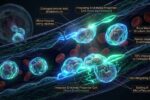
Bypass glucose resistance pathways early in the day. Introduce C8 Caprylic Acid or exogenous beta-hydroxybutyrate salts during a fasted window. These specialized lipids freely cross the blood-brain barrier via monocarboxylate transporters (MCT), providing a steady energy source that bypasses impaired glucose pathways and immediately fuels mitochondrial neuro-energetics.
Trigger the Astrocyte-Neuron Lactate Shuttle (ANLS) using targeted physical stress. Engaging in high-intensity intervals (HIIT) pushes peripheral lactate into the brain parenchyma. This sudden influx acts as a powerful signal that boosts BDNF gene expression, promoting deep synaptic plasticity within hours.
6. Evolutionary Demands for Fasted Mental Alertness
Human cognition evolved under the challenging conditions of environmental scarcity. Our ancestors required sharp focus, rapid data processing, and neuro-chemical resilience specifically when their energy reserves were low, signaling that it was time to hunt or forage. This ancient survival mechanism linked high neuro-energetic focus to states of clean fasting. Modern society, however, promotes constant caloric intake, keeping the brain continuously flooded with glucose. This chronic over-saturation leads to metabolic rigidity, sluggish thinking, and a steady decline in synaptic density. Re-aligning with your evolutionary biology through structured Brain Fuel Optimization restores this natural state of fasted mental clarity, keeping your focus sharp and resilient.
7. Global Wellness Lab Verdict
Sustaining elite mental performance over a lifespan requires taking active control of your neural fuel sources. Prioritizing consistent Brain Fuel Optimization is an effective strategy for shielding your brain from hypometabolism and cognitive fatigue. By supporting stable TrkB receptor activation and keeping your metabolic pathways highly flexible, you supply your neurons with the reliable energy required to process complex data and maintain long-term cognitive sharpness.
Global Wellness Lab
“Resilience is not the absence of stress, but the biological capacity to manage it without systemic degradation.”
Page Contents
Toggle