Autophagy Regulation & Cellular Cleanup: The Molecular Impact of Specialized Micronutrients
Biological decay is fundamentally characterized by the accumulation of metabolic waste within the intracellular matrix. Over time, dysfunctional mitochondria, denatured protein structures, and inert lipid pigments known as lipofuscin saturate healthy cells, suppressing energy production and accelerating cellular senescence.
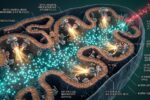
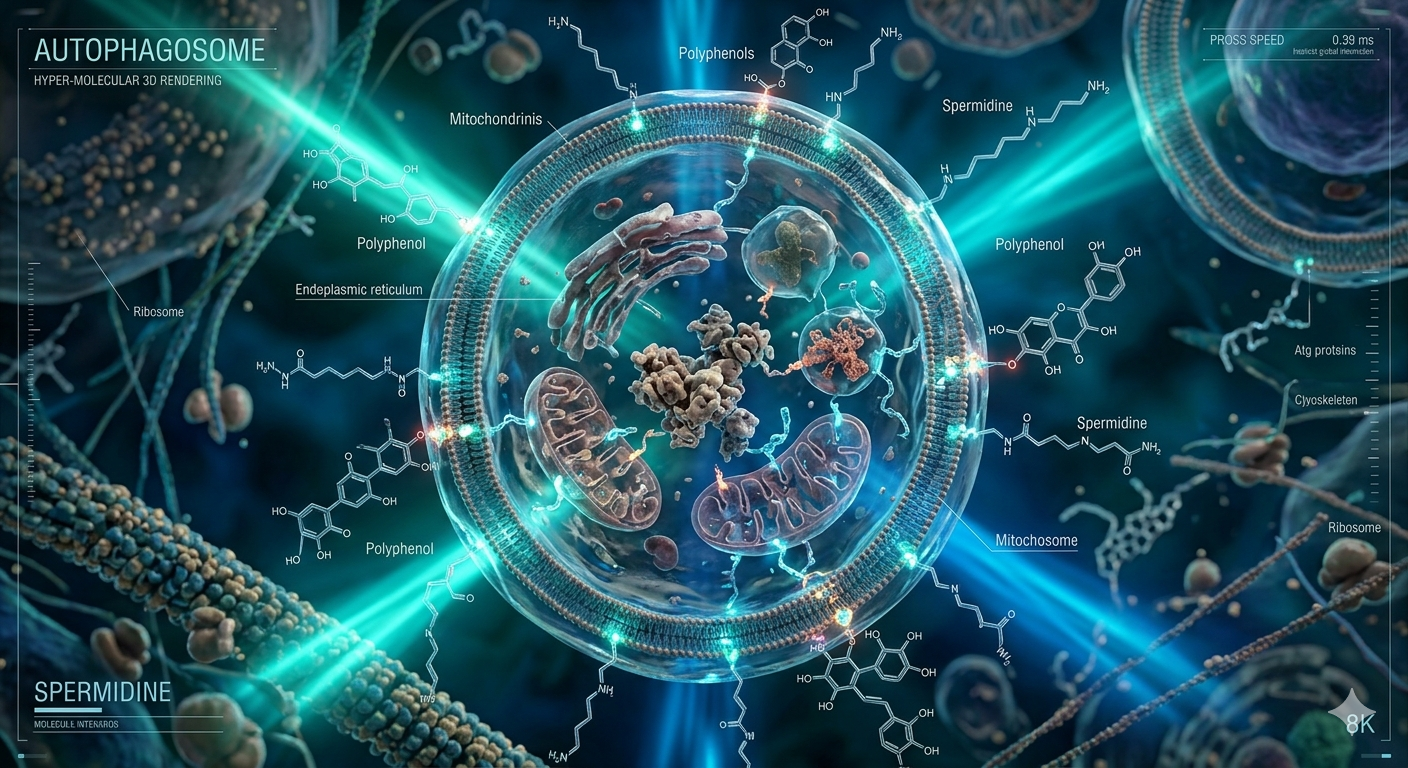
The primary physiological system designed to counter this stagnation is macroautophagy—a highly regulated recycling pathway where the cell isolates waste inside double-membraned vesicles called autophagosomes. Activating this clearing mechanism demands precise nutritional cofactors that manipulate upstream metabolic master switches.
1. Inhibiting mTORC1 to Initiate the Autophagic Cascade
At the center of cellular resource allocation sits the mechanistic target of rapamycin complex 1 (mTORC1). When nutrient availability is continuously high, mTORC1 remains active, stimulating protein synthesis while aggressively shutting down all autophagic clearance pathways. The cell prioritizes replication over maintenance, leaving metabolic waste behind.
To bypass this biochemical block, specific exogenous molecules can mimic starvation responses. Inhibiting mTORC1 prompts the cell to activate the ULK1 complex, which kicks off autophagosome formation. This allows the cell to clear out old components and restore youthful cellular efficiency.
2. High-Affinity Nutrient Activators of Cellular Autophagy
Targeted nutritional biochemistry utilizes specialized natural complexes to trigger systemic clearing. These molecules interact directly with cellular sensors to facilitate autophagy:
Suppresses histone acetyltransferases natively, which upregulates the transcription of essential autophagy genes (ATG) to accelerate systemic macromolecular waste clearance.
Advanced polyphenols, such as pure trans-resveratrol and fisetin, stimulate NAD+-dependent Sirtuin-1 pathways, inducing mitochondrial quality control and mitophagy.
Clinical Assessment: Lipofuscin Mitigation
Unlike standard cellular elements, lipofuscin aggregates cannot be broken down by typical lysosomal enzymes. Over time, they crowd the cell matrix and stall vital functions. Clinical studies indicate that maintaining a state of low systemic insulin combined with targeted polyamine supplementation supports lysosomal enzyme activity, clearing up to 25% of accumulated intracellular waste within long-lived tissue structures.
Conclusion: Re-establishing Cellular Structural Purity
Intracellular cleansing is a fundamental requirement for cellular longevity. Relying solely on basic caloric restriction is often insufficient to overcome decades of metabolic waste accumulation.
Integrating key micronutrients designed to regulate autophagy allows the body to break down accumulated proteins and optimize organelle performance, supporting long-term metabolic health and vitality.
Global Wellness Lab
“Upregulating autophagic efficiency represents a foundational shift from superficial management to true structural cellular restoration.”
2. Madeo, F. et al., “Spermidine-Induced mTORC1 Inhibition and ATG Gene Up-Regulation Kinetics” – Cell Metabolism, 2025.
This technical analysis outlines organic lipid architectures and must not replace custom clinical diagnosis. For advanced cognitive deficits, specialized electroencephalogram testing, or prescription adjustments, consult a certified neurologist.
*** This report is for technical educational purposes. Global Wellness Lab provides independent data for consumer safety and may receive commissions via certified affiliate links. ***
Page Contents
Toggle