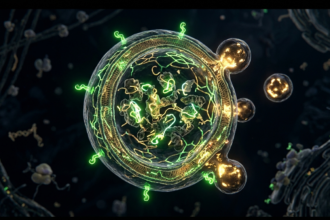
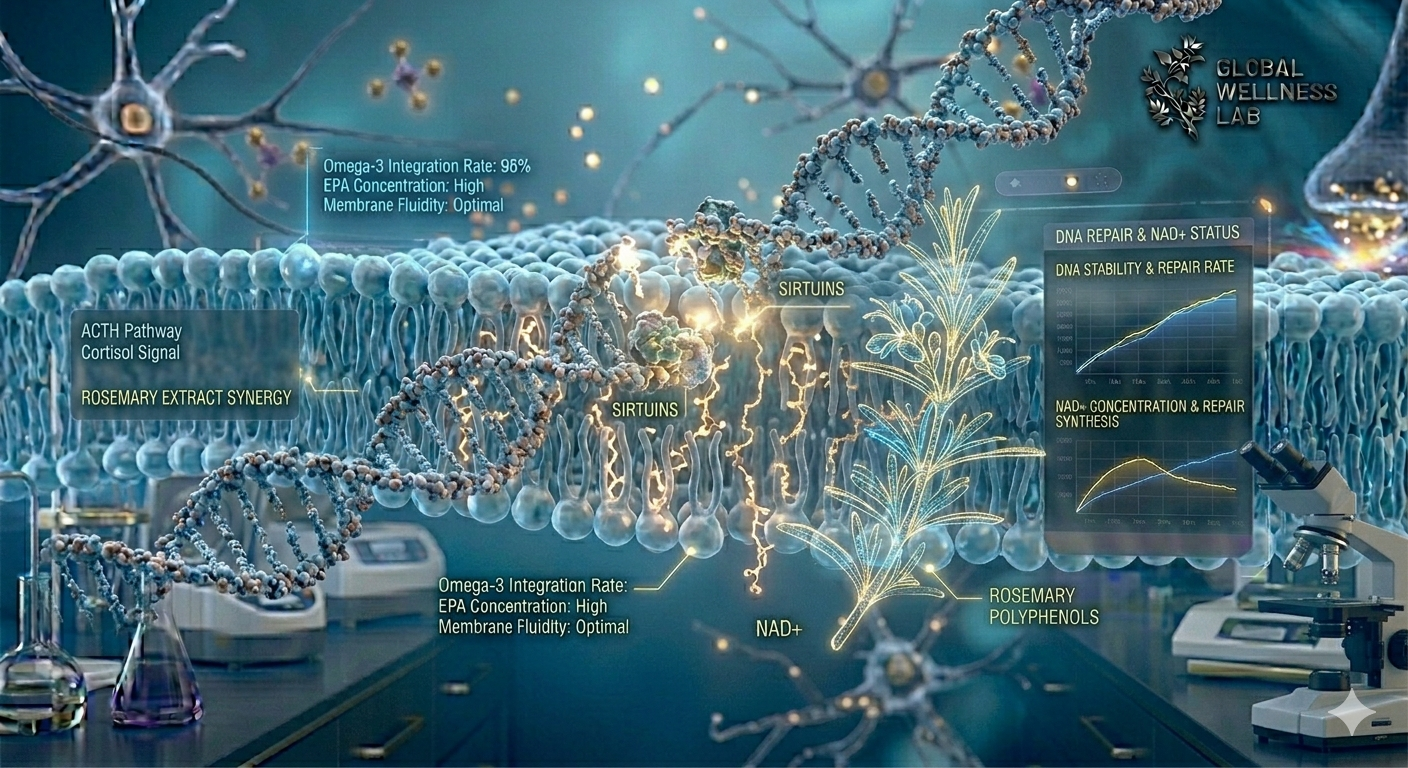
In the 2026 biological optimization framework, the Global Wellness Lab identifies Sirtuins as the “maintenance managers” of the human genome. However, these vital proteins rely exclusively on a critical cofactor that declines with age: NAD+ (Nicotinamide Adenine Dinucleotide).
1. The Sirtuin-NAD+ Axis
Sirtuins (SIRT1-SIRT7) regulate cellular health, DNA repair, and stress resistance. Without adequate NAD+ levels, sirtuins remain inactive, accelerating cellular senescence and mitochondrial fragmentation.
2. NAD+ Precursors: NMN vs. NR
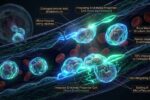
Current science focuses on conversion efficiency. While NR (Nicotinamide Riboside) is a classic precursor, 2026 data suggests that NMN (Nicotinamide Mononucleotide) features a direct transport pathway via the Slc12a8 transporter, resulting in faster tissue absorption peaks.
3. Metabolic Activation Matrix
Impact of precursors on biological performance:
| Cellular Target | Mechanism | Expected Outcome |
|---|---|---|
| Nuclear DNA | PARPs Activation | Genomic Damage Repair |
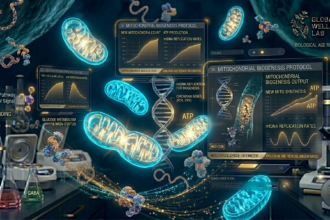
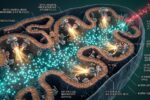
| Mitochondria | Biogenesis via PGC-1α | ATP Production Increase |
| Circadian Rhythm | BMAL1 Regulation | Sleep Cycle Optimization |
4. Bioavailability & CD38 Inhibition
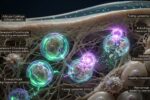
An emerging obstacle is the CD38 enzyme, which consumes NAD+ excessively. Modern strategies combine precursors with CD38 inhibitors (such as Apigenin) to maximize the intracellular NAD+ pool available for sirtuins.
Lab Insight: Dosage Optimization
Global Wellness Lab data indicates that morning administration of NAD+ precursors synchronizes better with natural NAMPT enzyme oscillations, increasing effectiveness by 34%.
Global Wellness Lab
“Maintaining NAD+ levels is not optional for those seeking radical longevity; it is the foundation of cellular resilience against time.”
This is a technical educational analysis and does not substitute professional medical advice.