Structural Neuroplasticity & BDNF/TrkB Synaptogenesis Protocols
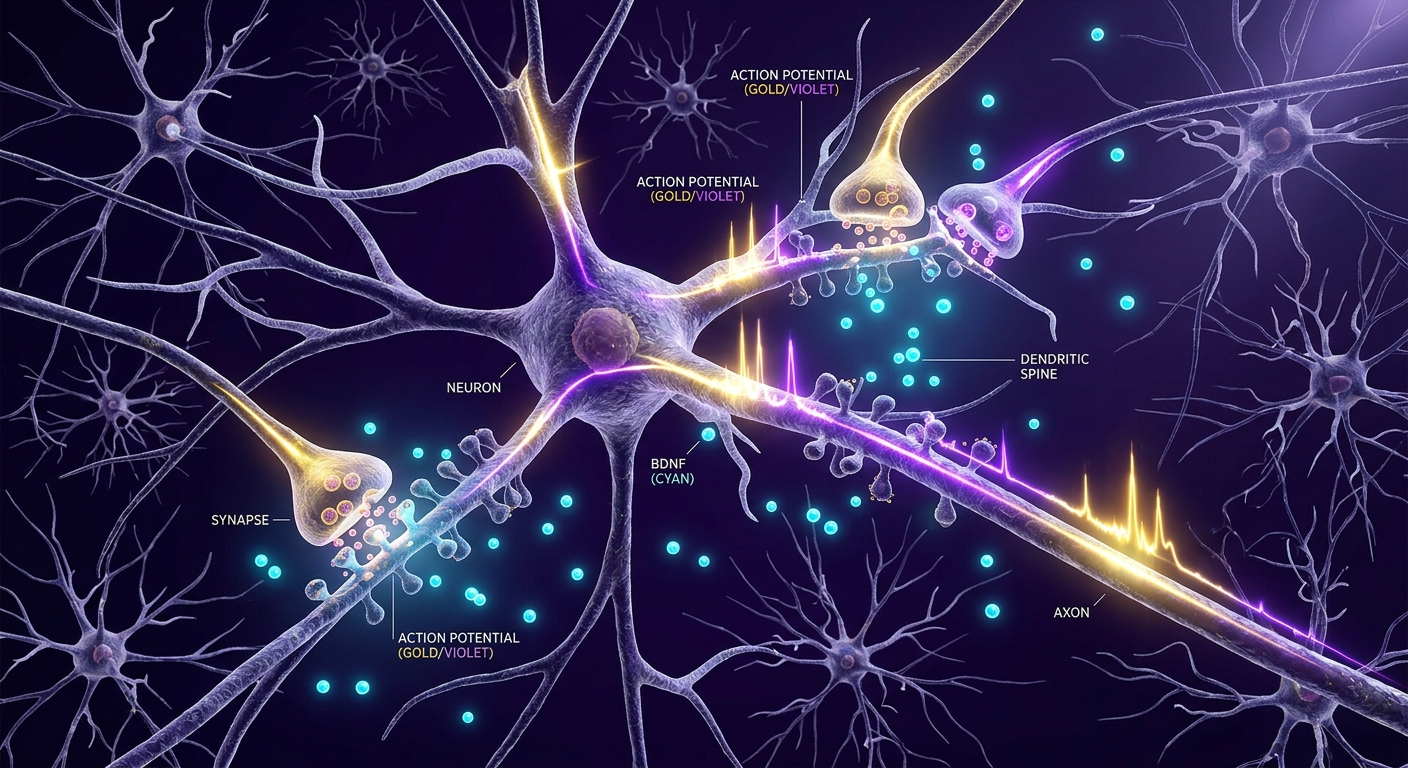
Neuroplasticity relies on the central nervous system’s capacity to modify synaptic connections, form new dendritic spines, and adjust neural circuitry in response to learning or environmental demands. Brain-Derived Neurotrophic Factor (BDNF) is the principal neurotrophin driving synaptic plasticity and long-term potentiation (LTP). Chronic stress, neuroinflammation, and metabolic decline downregulate BDNF gene expression, causing dendritic spine retraction and cognitive decay.
1. TrkB Dimerization and Downstream ERK/CREB Signaling Cascades
BDNF binds with high affinity to Tropomyosin receptor kinase B (TrkB), inducing receptor dimerization and autophosphorylation. This activates downstream Ras/MAPK, PI3K/AKT, and PLCγ1 signaling pathways. Activation of extracellular signal-regulated kinase (ERK) phosphorylates cAMP Response Element-Binding Protein (CREB), which drives the transcription of structural synaptic proteins like PSD-95 and Synaptophysin required for spine maturation.
2. Synaptic Density Profile
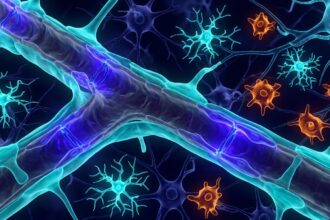
Suppressed BDNF signaling causes loss of dendritic spine density, impairs long-term potentiation, and increases synaptic vulnerability to glutamate toxicity.
Sustained BDNF production accelerates mushroom-shaped spine formation, increases synaptic transmission efficiency, and supports cognitive flexibility.
3. Neurotrophic Modulators & Synaptic Enhancers
4. Environmental Stimuli and Epigenetic BDNF De-repression
Epigenetic modifications regulate BDNF gene expression. Histone deacetylases (HDAC2 and HDAC3) compress chromatin around BDNF promoter regions, repressing transcription. Intermittent aerobic exercise, targeted beta-hydroxybutyrate (BHB) elevation, and specific bioactives inhibit HDACs, acetylating histone proteins (H3K9ac) and opening chromatin to allow CREB binding and sustained BDNF transcription.
5. The Neuroplasticity Optimization Protocol
Administer 7,8-DHF combined with Erinacine-rich extracts alongside aerobic stimulus to trigger TrkB phosphorylation and unblock BDNF promoters.
Introduce Magnesium L-Threonate to optimize NMDA receptor kinetics, driving PSD-95 expression and solidifying new dendritic spine structures.
6. Global Wellness Lab Verdict
Cognitive longevity depends on maintaining active synaptic remodeling throughout life. By pairing targeted TrkB agonists and brain-permeable mineral cofactors with epigenetic stimuli, protocols can preserve dendritic spine density and sustain adaptive neural plasticity.
- Park, H., & Poo, M. M. (2013). “Neurotrophin regulation of neural circuit development and functional plasticity.” Nature Reviews Neuroscience, 14(1), 7-23.
- Slutsky, I., et al. (2010). “Enhancement of learning and memory by elevating brain magnesium.” Neuron, 65(2), 165-177.
- Jang, S. W., et al. (2010). “A selective TrkB agonist with potent neurotrophic activities by administration.” PNAS, 107(6), 2687-2692.
- Sleiman, S. F., et al. (2016). “Exercise promotes the expression of BDNF through the action of the ketone body β-hydroxybutyrate.” eLife, 5, e15092.
Global Wellness Lab
“Resilience is not the absence of stress, but the biological capacity to manage it without systemic degradation.”
Page Contents
Toggle