Mitochondrial Biogenesis Protocols: NAD+ Cascades & AMPK Activation
Mitochondria are the primary bioenergetic engines of human cells, responsible for synthesizing ATP through oxidative phosphorylation. Age-related metabolic decline is inextricably linked to progressive mitochondrial decay, characterized by reduced organelle density and compromised NAD+ pools. Restoring mitochondrial density requires triggering mitochondrial biogenesis—the physiological process of generating new, functional mitochondria. By systematically activating AMP-activated protein kinase (AMPK) and Sirtuin-1 (SIRT1), cells upregulate PGC-1α, the master transcriptional coactivator of energetic expansion and cellular longevity.
1. The AMPK-SIRT1-PGC-1α Bioenergetic Triad
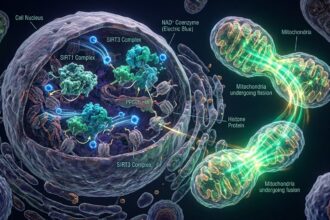
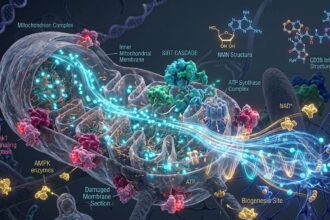
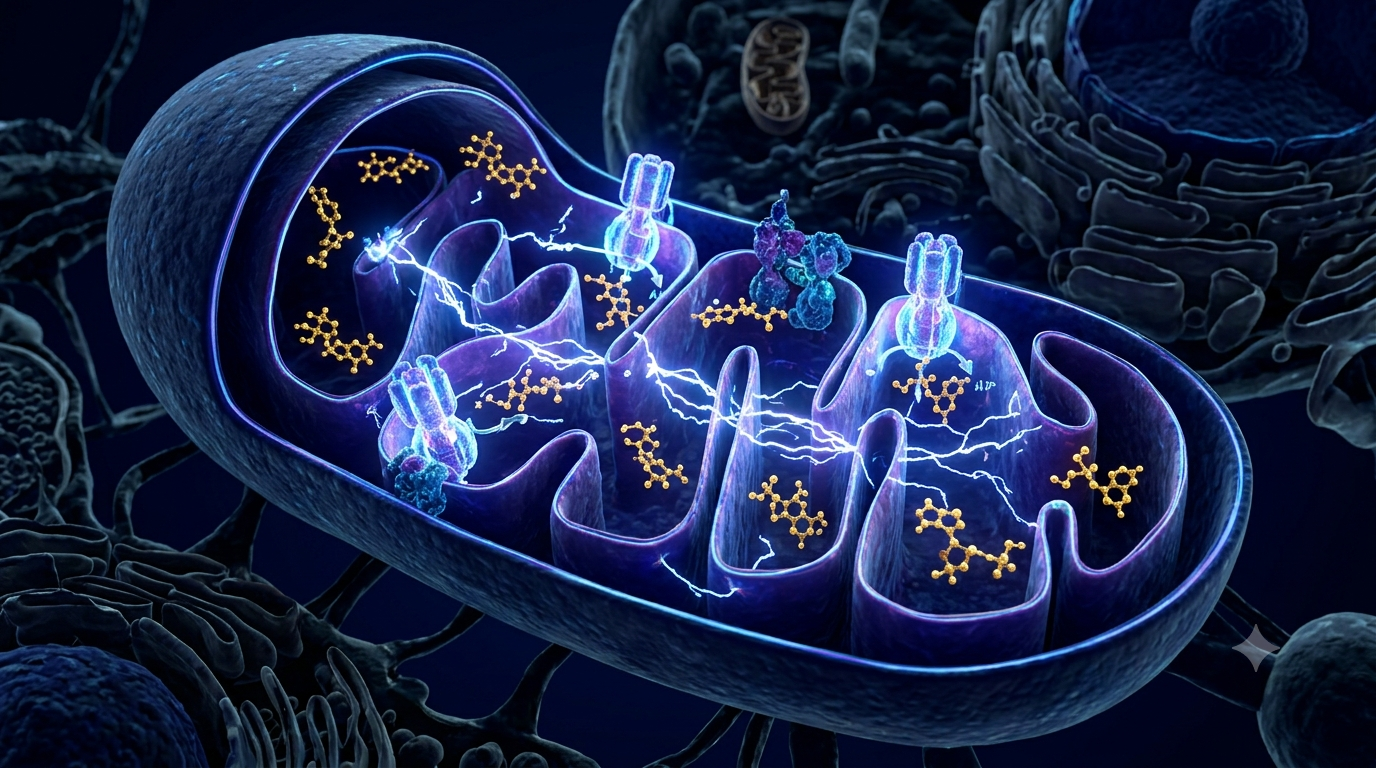
When cellular energy depletes (elevated AMP/ATP ratio), AMPK acts as a metabolic fuel gauge, activating catabolic pathways while turning off energy-consuming processes. Activated AMPK directly phosphorylates PGC-1α and increases intracellular NAD+ levels. Elevated NAD+ subsequently activates SIRT1, an NAD+-dependent deacetylase that further deacetylates PGC-1α. Once active, PGC-1α migrates to the cell nucleus to stimulate Nuclear Respiratory Factors (NRF-1 and NRF-2) and Mitochondrial Transcription Factor A (TFAM), driving mtDNA replication and mitochondrial assembly.
2. Mitochondrial Energetic Profile
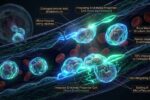
Compromised SIRT1 activity combined with excessive ROS production causes structural mitochondrial fragmentation, fatigue, and cellular senescence.
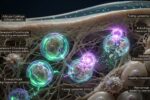
Enhanced AMPK phosphorylation accelerates mitochondrial turnover via mitophagy and promotes fresh organelle synthesis for superior metabolic flexibility.
3. Key Targeted Bioenergetic Substrates
4. Hormetic Stress: Mitohormesis & Mitophagy
Sub-lethal physical stress—such as High-Intensity Interval Training (HIIT) combined with deliberate cold exposure—triggers a adaptive bioenergetic cascade known as mitohormesis. Temporary surges in reactive oxygen species (ROS) serve as essential secondary messengers. These transient oxidative signals recruit Pink1/Parkin pathways to recycle damaged, dysfunctional mitochondria through mitophagy, making room for high-density, structurally efficient organelles.
5. The Mitochondrial Optimization Protocol
Incorporate NMN and PQQ upon waking to align with endogenous circadian NAMPT expression, amplifying intracellular NAD+ availability prior to daily metabolic demand.
Utilize targeted intermittent fasting windows paired with Berberine Phytosome mid-day to drive AMPK phosphorylation and trigger clearance of compromised organelles.
6. Global Wellness Lab Verdict
Sustained physical resilience and cognitive power depend directly on mitochondrial density and bioenergetic capacity. By stimulating AMPK signaling, replenishing the systemic NAD+ pool, and leveraging mitohormetic stressors, you optimize cellular respiration and slow biological decay at its foundational root.
- Cantó, C., & Auwerx, J. (2009). “PGC-1α, SIRT1 and AMPK, an energy sensing network that controls energy expenditure.” Current Opinion in Lipidology, 20(2), 98-105.
- Yoshino, J., et al. (2018). “NAD+ Intermediaries: The Biology and Therapeutic Potential of NMN and NR.” Cell Metabolism, 27(3), 513-528.
- Ristow, M., & Schmeisser, K. (2014). “Mitohormesis: Promoting health and lifespan by increased levels of reactive oxygen species (ROS).” Dose-Response, 12(2), 288-341.
- Chowanadisai, W., et al. (2010). “Pyrroloquinoline quinone stimulates mitochondrial biogenesis through cAMP response element-binding protein phosphorylation and increased PGC-1α expression.” Journal of Biological Chemistry, 285(1), 142-152.
- Hardie, D. G., et al. (2012). “AMPK: an energy-sensing kinase that coordinates metabolism and cell growth.” Nature Reviews Molecular Cell Biology, 13(4), 251-262.
Global Wellness Lab
“Resilience is not the absence of stress, but the biological capacity to manage it without systemic degradation.”
Page Contents
Toggle