Mitochondrial Resilience: Engineering Cellular Bioenergetics and ATP Production for Longevity
Human vitality is strictly limited by the efficiency of cellular power generation. At the core of metabolic decline lies the progressive decay of our cellular engines: the mitochondria. Achieving true Mitochondrial Resilience & ATP Production requires more than basic caloric intake. It demands the precise optimization of the electron transport chain to maximize adenosine triphosphate (ATP) yield while preventing the intracellular oxidative stress that accelerates systemic aging.
1. The Electron Transport Chain and Oxidative Phosphorylation
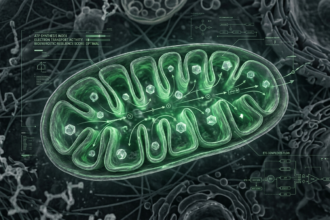
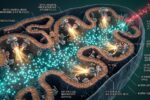
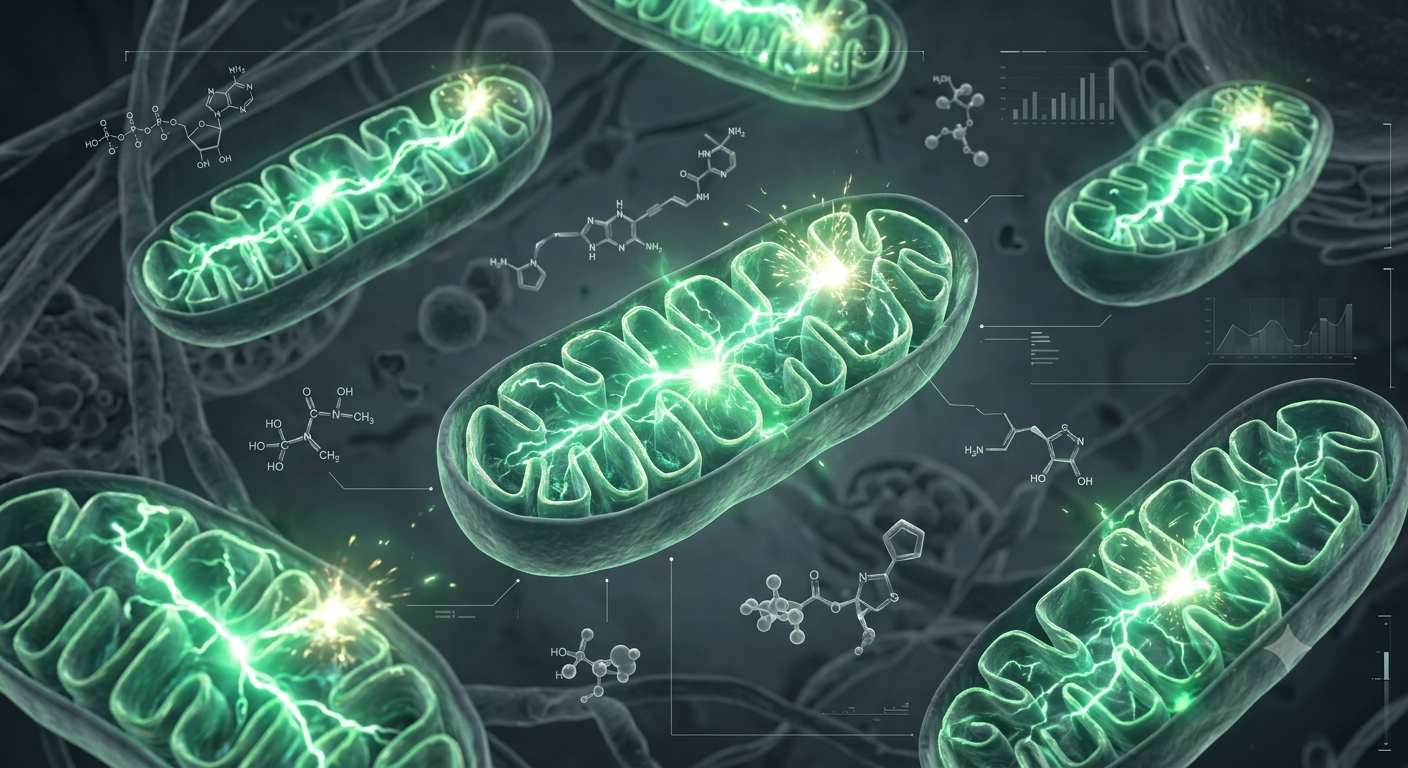
The transformation of nutrients into cellular energy occurs across the inner mitochondrial membrane through oxidative phosphorylation. High-energy electrons flow sequentially through complexes I to IV, creating a proton gradient that drives the ATP synthase motor. When these complexes lack critical cofactors, electron leakage occurs, generating destructive reactive oxygen species (ROS). Optimizing this pathway ensures that the cellular fuel tank is consistently full without inducing internal biological damage.
2. Bioenergetic States & Cellular Signaling
Damaged mitochondria exhibit a reduced membrane potential and lower ATP production. This state forces cells to rely heavily on inefficient anaerobic pathways, leading to systemic energy depletion, brain fog, and muscle weakness.
Establishing robust Mitochondrial Resilience & ATP Production keeps cells cleanly powered. Damaged components are recycled via mitophagy, making room for fresh, highly efficient networks that upgrade baseline physical endurance.
3. Essential Biomarkers of Cellular Power Output
| Target Component | Biological Mechanism | Optimization Metric |
|---|---|---|
| CoQ10 (Ubiquinone) | Shuttles electrons between complexes I, II, and III | Maintains fluid flow (Prevents Electron Stalls) |
| NAD+ Pool | Primary electron donor driving Complex I | High NAD+/NADH ratio (Sirtuin Activation) |
| Carnitine Shuttle | Transports long-chain fatty acids into the matrix | Beta-oxidation efficiency (Lipid Bioenergetics) |
4. Mitophagy and Mitochondrial Biogenesis: The Regeneration Loop
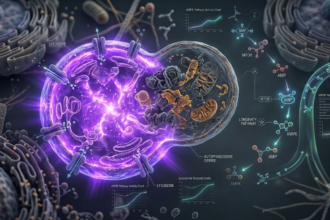
Cellular health depends heavily on the delicate balance between clearing old cellular components and manufacturing fresh ones. Through mitophagy, cells safely isolate and dismantle dysfunctional mitochondrial structures before they leak toxic free radicals into the cytoplasm. This quality-control cleanup acts as the exact catalyst for mitochondrial biogenesis—the birth of new power grids. Cultivating this dual cycle is essential to secure clean Mitochondrial Resilience & ATP Production, protecting neural and muscle tissues from metabolic slowdown.
5. The 2026 Cellular Bioenergetic Protocol
Trigger mitochondrial biogenesis through structured physical stressors. Engaging in brief zones of zone-2 aerobic base training signals the cell nucleus to upregulate PGC-1alpha, the master regulator of mitochondrial replication, expanding your absolute cellular capacity over time.
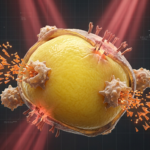
Directly stimulate Complex IV (Cytochrome c Oxidase) using red and near-infrared light wavelengths. Pair this with micronutrient cofactors like Alpha-Lipoic Acid and Magnesium to reduce internal bottlenecks and accelerate immediate ATP output.
6. Evolutionary Disconnect: Chronic Abundance vs. Cellular Stress
Our biological systems evolved under strict cycles of seasonal food scarcity and intense physical demand, environments that naturally forced mitochondria to burn clean fuels and maintain peak functional status. In contrast, the modern landscape of constant nutrient abundance combined with zero physical stress overloads the delicate internal machinery. This modern friction slows down electron flow, creating cellular congestion and metabolic dysfunction. Restoring ancient environmental demands shifts the body back into dynamic equilibrium, unleashing sustainable daily physical vitality.
7. Global Wellness Lab Verdict
Upholding your biological longevity requires a systematic focus on your cell’s fundamental power generating components. Committing to a precise Mitochondrial Resilience & ATP Production protocol allows you to systematically protect tissue health from early degradation. By matching your daily metabolic inputs with calculated energetic output, you clear out cell-damaging waste, upgrade physical resilience, and secure an enduring source of sustained daily performance.
Global Wellness Lab
“Restoration is a biological discipline; protect your sleep stages to protect your longevity.”
Page Contents
Toggle