Gut Barrier Integrity & Microbiome Diversity Review
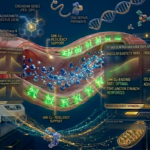
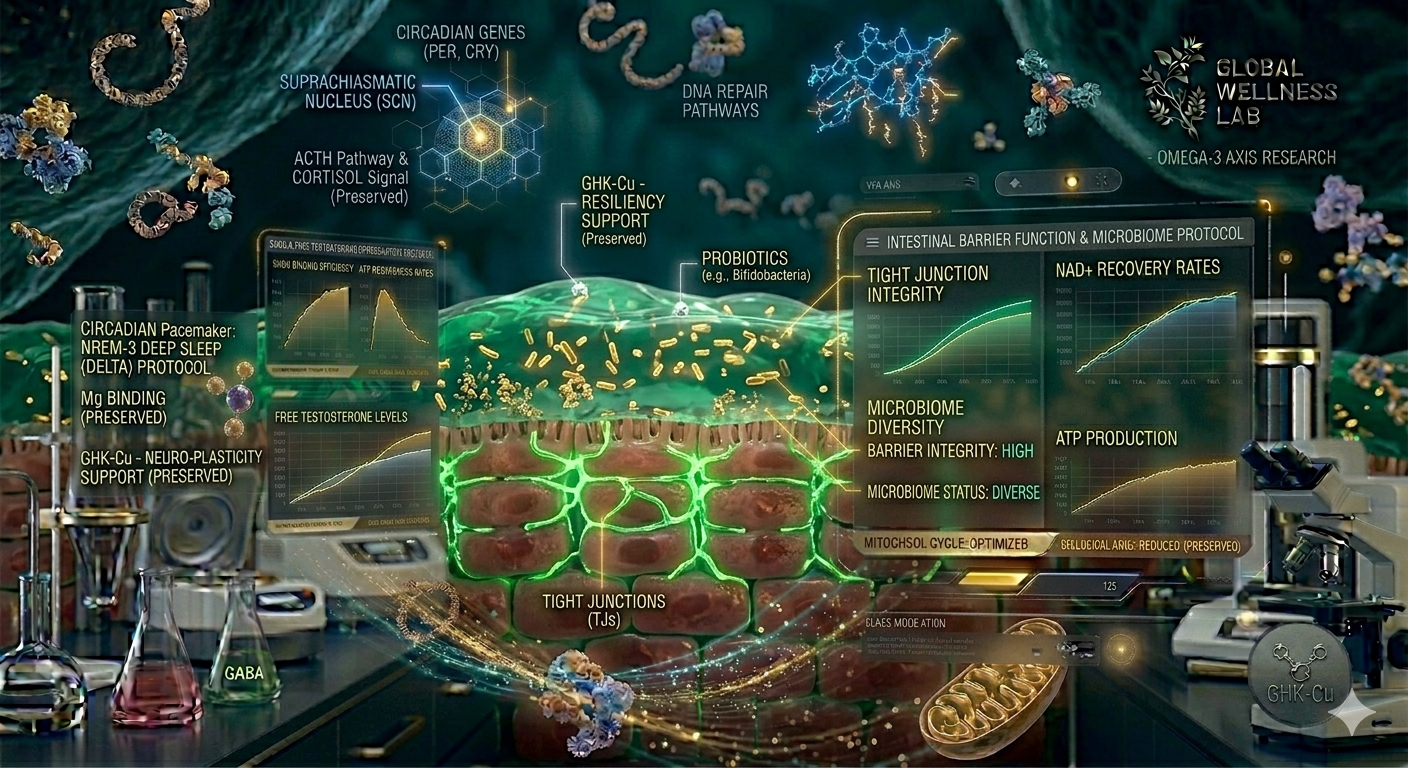
Systemic immune regulation depends entirely on the structural resilience of a single epithelial layer rather than isolated immune responses. In 2026, advanced gastroenterology frameworks prioritize this Gut Barrier Integrity & Microbiome Diversity Review — investigating how the breakdown of cellular seals allows toxic bacterial fragments to enter the circulatory system, triggering chronic low-grade inflammation.
1. The LPS Leakage: Understanding Systemic Endotoxemia
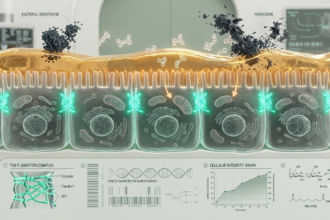
When the delicate mucosal lining loses its protective bacterial composition, the physical barrier begins to degrade. This localized failure permits lipopolysaccharides (LPS)—pro-inflammatory structural components of Gram-negative bacteria—to cross directly into the bloodstream. Once circulating, these toxins engage systemic pattern-recognition receptors, driving metabolic dysfunction across healthy distant tissues.
🔬 2. Biological Breakdown of Epithelial Seals
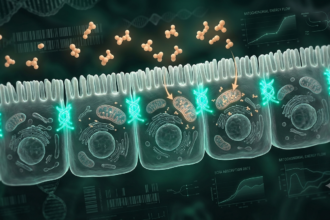
The loss of structural defense involves a sequential failure of specific molecular components within the digestive tract:
- STAGE A Tight Junction Disassembly: Intracellular proteins like zonulin upregulate, causing physical gaps to form between adjacent epithelial cells.
- STAGE B Mucin Layer Depletion: Specialized protective species collapse, leaving the physical tissue directly exposed to abrasive chemical inputs.
- STAGE C SCFA Synthesis Collapse: Total production of vital short-chain fatty acids drops, starving colonocytes of their primary local energy substrate.
3. Technical Comparison: Inflammatory Markers & Microbial Profiles
Accurate clinical progression cannot rely on subjective symptom reports. The data matrix below contrasts markers of structural damage against targeted scientific adjustments:
| State | Biomarker | Cellular Link | Standard |
|---|---|---|---|
| Barrier Decay | High Zonulin | Junction Gaps | Tighteners |
| Endotoxemia | Elevated LPS | Mucosal Drift | LPS Binders |
| Dysbiosis | Low Diversity | Phyla Collapse | Prebiotics |
| Resilient Ecosystem | High Butyrate | Mucin Security | GWL Protocol |
4. Advanced Mucosal Restructuring Strategy
⚡ The Mucosal Shield Protocol (2026 Strategy)
To permanently close structural cellular gaps and optimize internal ecosystem markers, use this targeted biohacking protocol:
- Junction Cross-Linking: Introduce specific amino acid configurations paired with high-purity bovine colostrum fractions to rebuild structural zonulin pathways.
- Keystone Phyla Enrichment: Deploy highly specialized polyphenol concentrates to selectively scale targeted populations of Akkermansia muciniphila.
- Butyrogenic Substrate Loading: Integrate specific non-digestible polysaccharides to maximize raw short-chain fatty acid conversion within local intestinal structures.
5. Global Wellness Lab Verdict
Compiling this exhaustive Gut Barrier Integrity & Microbiome Diversity Review establishes that systemic longevity cannot exist alongside a leaking digestive architecture. By reinforcing epithelial seals and cultivating structural microbial ecosystems, you protect your body from continuous toxic exposure. Total metabolic security always begins within the internal digestive boundaries.
Global Wellness Lab
“Resilience is not the absence of stress, but the biological capacity to manage it without systemic degradation.”
6. Legal Disclaimer
This is a technical educational analysis and does not substitute professional medical advice. For complex issues related to severe chronic dysbiosis, systemic inflammatory conditions, or customized microbial sequencing interpretation, consult an immunologist specializing in mucosal integrity.
Page Contents
Toggle