Molecular Biology | Technical Level: Advanced | Read Time: 11 min
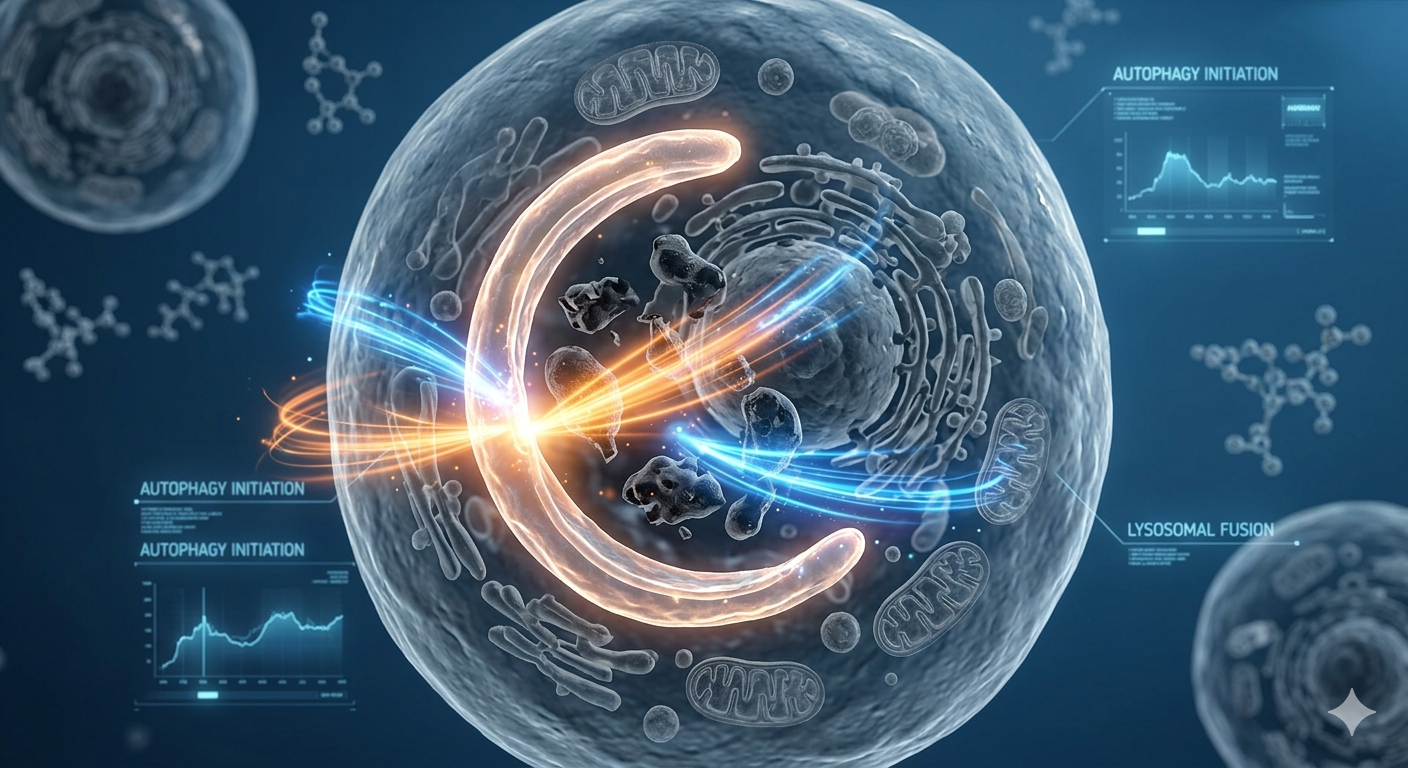
In 2026, the secret to extending the human healthspan lies in the body’s ability to recycle itself. Autophagy—derived from the Greek for “self-eating”—is the lysosomal degradation pathway that identifies and removes damaged organelles and misfolded proteins. Efficient autophagy is the ultimate internal “housekeeping” mechanism required to prevent cellular senescence.
1. The Metabolic Switch: AMPK vs. mTOR
The activation of autophagy is governed by a delicate balance between two primary signaling pathways. mTOR (mammalian target of rapamycin) is the “growth” switch, activated by nutrients and insulin. To trigger cellular cleanup, we must suppress mTOR and activate AMPK, the “energy-sensing” switch that signals the cell to prioritize repair over growth.
2. Technical Blueprint (The 3 Stages of Cleanup)
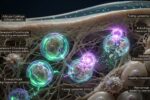
- Induction: The cell senses a nutrient deficit or chemical signal (like Spermidine), initiating the formation of the phagophore.
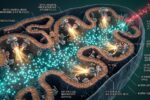
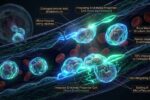
- Sequestration: The phagophore expands to engulf damaged mitochondria (mitophagy) and protein aggregates, maturing into an autophagosome.
- Degradation: The autophagosome fuses with a lysosome, where acidic enzymes break down the waste into raw amino acids and lipids for reuse.
3. The 2026 Synergy Audit
To maximize the “cleanup” phase without compromising muscle mass, our technical audit suggests the following interventions:
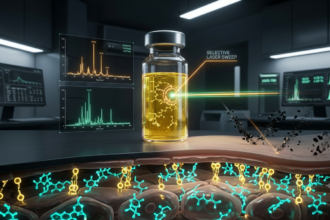
- Spermidine Integration: A natural polyamine that mimics the effects of fasting by directly inhibiting the EP300 enzyme, a key negative regulator of autophagy.
- Timed Fasting Windows: Implementing a 16:8 or 18:6 protocol to ensure insulin levels drop low enough to trigger the AMPK pathway daily.
- Resveratrol & Pterostilbene: Utilizing sirtuin activators to support the deacetylation of autophagy-related proteins, enhancing the speed of cellular recycling.
- Glucagon Modulation: Strategic exercise in a fasted state to increase the glucagon-to-insulin ratio, a potent driver of hepatic autophagy.
GWL Lab Tip: Autophagy is most effective when the body is not fighting systemic toxins. Our Heavy Metal Purity Report highlights how environmental contaminants can “clog” lysosomal activity, making cellular renewal much less efficient.
4. Biological Biomarkers
Monitoring the success of your renewal protocol in 2026 involves:
- GGT Levels: A marker of liver stress and antioxidant status.
- C-Reactive Protein (hs-CRP): Identifying if cellular cleanup is successfully reducing systemic inflammation.
- Mitochondrial Efficiency: Observed through stable energy levels and reduced recovery time between physical stressors.
5. Global Wellness Lab Verdict
Autophagy is the biological reset button. By mastering the transition between growth and repair, you prevent the accumulation of “cellular junk” that leads to age-related decline. True longevity is not about adding more; it’s about efficiently removing what no longer serves the system.
Legal Disclaimer: This is a technical educational analysis and does not substitute professional medical advice.