Neuroinflammation & Synaptic Plasticity Protocols
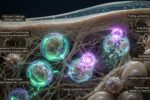
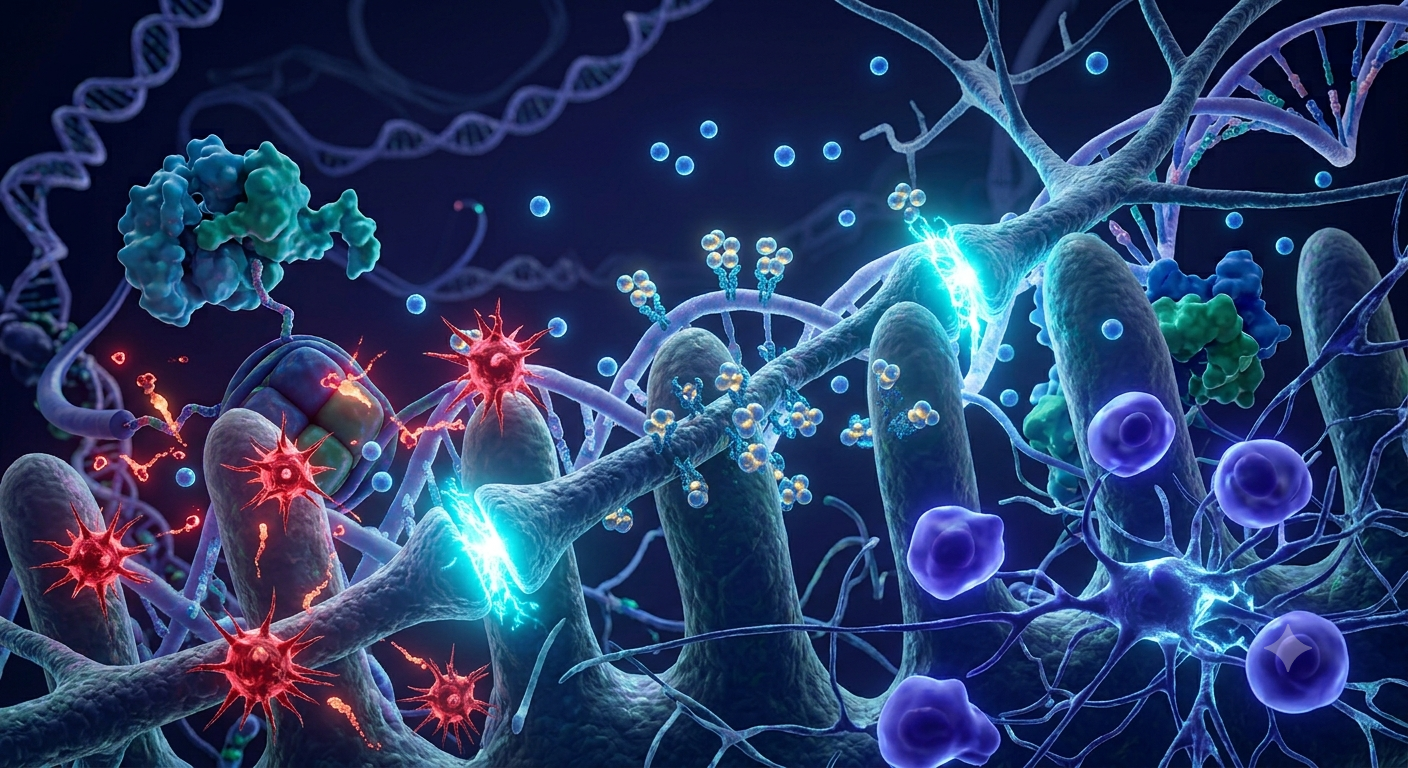
Chronic low-grade neuroinflammation is a primary contributor to cognitive decline, synaptic loss, and central nervous system aging. Microglia—the resident immunocompetent cells of the brain—maintain central homeostasis by monitoring dendritic spines and clearing cellular debris. However, persistent metabolic distress or systemic cytokine influx drives microglia into an inflammatory M1 phenotype. This state triggers the activation of the NLRP3 inflammasome, dampens Brain-Derived Neurotrophic Factor (BDNF) synthesis, and accelerates pathological synaptic pruning.
1. Microglial Polarization and TrkB Receptor Activation
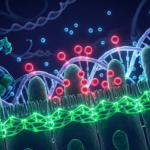
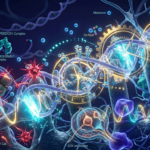
The balance between pro-inflammatory M1 and neuroprotective M2 microglial phenotypes determines hippocampal synaptic health. In the M2 resting or phagocytic state, microglia release anti-inflammatory factors like IL-10 and neurotrophins. BDNF binds to Tropomyosin receptor kinase B (TrkB) on postsynaptic neurons, activating the MAPK/ERK and PI3K/Akt signaling cascades. This pathway induces Long-Term Potentiation (LTP), dendritic spine remodeling, and structural consolidation of memory networks.
2. Central Nervous System Inflammatory Status
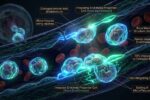
Activated microglia cause synaptic engulfment, downregulate TrkB signaling, disrupt the blood-brain barrier (BBB), and impair cognitive processing speed.
Suppression of neuroinflammation facilitates neurogenesis in the dentate gyrus, enhances LTP, and stabilizes synaptic connectivity.
3. Nootropic & Neuroprotective Bioactives
4. Glymphatic Clearance and Sleep Integration
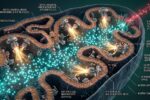
The glymphatic system—a macrovascular waste clearance pathway regulated by astroglial aquaporin-4 (AQP4) water channels—drives the removal of neurotoxic proteins like amyloid-beta and tau during deep slow-wave sleep. Chronic neuroinflammation disrupts AQP4 polarization, impairing CSF-ISF fluid exchange. Enhancing slow-wave sleep depth facilitates waste elimination and resets microglial surveillance activity.
5. The Neuro-Regenerative Protocol
Administer high-bioavailability Luteolin and Baicalein to shut down NLRP3 inflammasome priming and shift active microglia from the inflammatory M1 state to the anti-inflammatory M2 phenotype.
Integrate concentrated Erinacines from Lion’s Mane alongside Magnesium L-Threonate to upregulate BDNF expression and increase NMDA receptor structural stability in the hippocampus.
6. Global Wellness Lab Verdict
Mitigating neuroinflammation while actively driving neurotrophic signaling is vital for maintaining cognitive agility across the lifespan. Through targeted microglial modulation and synaptic density support, neural networks maintain structural plasticity and resistance against neurodegenerative decline.
- Heneka, M. T., et al. (2015). “Neuroinflammation in Alzheimer’s disease.” The Lancet Neurology, 14(4), 388-405.
- Colonna, M., & Brioschi, S. (2020). “Neuroinflammation and glia in brain aging.” Immunity, 52(4), 575-589.
- Slutsky, I., et al. (2010). “Enhancing learning and memory by elevating brain magnesium.” Neuron, 65(2), 165-177.
- Nedergaard, M. (2013). “Garbage truck of the brain: The glymphatic system.” Science, 340(6140), 1529-1533.
Global Wellness Lab
“Resilience is not the absence of stress, but the biological capacity to manage it without systemic degradation.”
Page Contents
Toggle