Gut-Brain Axis Protocols: Vagus Nerve Stimulation & Microbiome Signaling
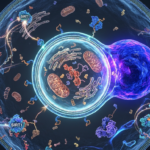
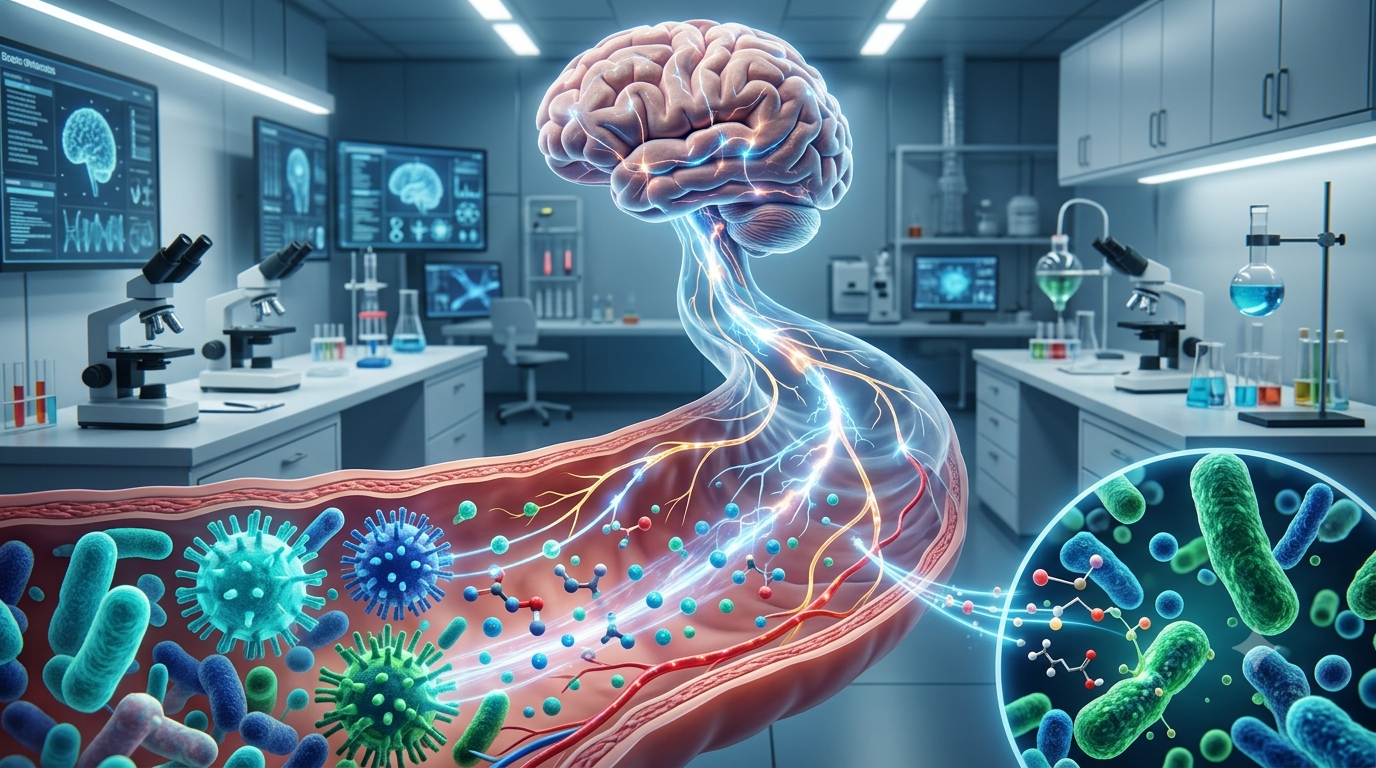
The gut-brain axis represents a complex bidirectional communication network linking the central nervous system with the enteric nervous system (ENS). Mediated by the vagus nerve, systemic immune signaling, and microbial metabolites, this physiological highway directly influences mood, cognitive speed, neuroinflammation, and stress resilience. Dysbiosis and impaired mucosal integrity weaken vagal tone, triggering systemic neuroinflammation. Optimizing microbial metabolite synthesis and activating vagal efferent pathways provides a powerful biological lever for enhancing mental clarity and neuroprotection.
1. Vagal Tone and Microbial Metabolite Signaling
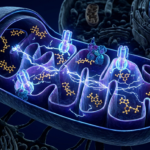
Approximately 80% of vagus nerve fibers are afferent (sensory), sending continuous signals from the gastrointestinal tract directly to the brainstem. Commensal gut bacteria ferment dietary fibers into Short-Chain Fatty Acids (SCFAs)—specifically butyrate, propionate, and acetate. Butyrate reinforces the blood-brain barrier (BBB) and stimulates the production of Brain-Derived Neurotrophic Factor (BDNF), while enteroendocrine cells release serotonin (5-HT) to modulate neuro-enteric signaling.
2. Physiological Axis Analysis
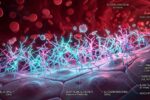
Endotoxins like Lipopolysaccharides (LPS) cross damaged tight junctions, initiating microglial activation, brain fog, and chronic stress-axis hyperreactivity.
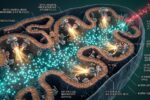
Elevated SCFA concentration strengthens intestinal and cerebral barriers, supporting optimal parasympathetic tone, stress recovery, and synaptic plasticity.
3. Key Targeted Psychobiotics & Substrates
4. Vagal Tone Activation Practices
Non-invasive vagus nerve stimulation (nVNS) techniques physically increase Heart Rate Variability (HRV) and parasympathetic output. Cold thermogenesis applied to the trigeminal facial nerve area, combined with slow-paced diaphragmatic breathing (exhalations longer than in-breaths), immediately triggers the cholinergic anti-inflammatory pathway. This decreases pro-inflammatory cytokine production (TNF-alpha, IL-6) directly via alpha-7 nicotinic acetylcholine receptors.
5. The Gut-Brain Optimization Protocol
Administer Tributyrin alongside fermentable fibers (PHGG) daily with breakfast to re-establish mucosal tight junctions and provide immediate fuel for colonocytes.
Incorporate targeted psychobiotic strains prior to sleep while practicing 5 minutes of extended-exhalation breathwork to maximize nocturnal neuro-enteric repair.
6. Global Wellness Lab Verdict
Optimal cognitive performance is fundamentally tethered to gastrointestinal equilibrium. By cultivating SCFA-producing bacterial strains and systematically stimulating vagal efferent signaling, you protect the central nervous system from systemic inflammatory drivers and establish a biological baseline for sustained mental energy.
- Cryan, J. F., et al. (2019). “The Microbiota-Gut-Brain Axis.” Physiological Reviews, 99(4), 1877-2013.
- Bonaz, B., et al. (2018). “The Vagus Nerve at the Interface of the Microbiota-Gut-Brain Axis.” Frontiers in Neuroscience, 12, 49.
- Silva, Y. P., et al. (2020). “The Role of Short-Chain Fatty Acids from Gut Microbiota in Gut-Brain Communication.” Frontiers in Endocrinology, 11, 25.
- Sarkar, A., et al. (2016). “Psychobiotics and the Manipulation of Bacteria-Gut-Brain Signals.” Trends in Neurosciences, 39(11), 763-781.
- Tracey, K. J. (2002). “The inflammatory reflex.” Nature, 420(6917), 853-859.
Global Wellness Lab
“Resilience is not the absence of stress, but the biological capacity to manage it without systemic degradation.”
Page Contents
Toggle