The Microbe-Neuro Conduit: Engineering the Gut-Brain Axis and Strengthening Epithelial Barriers
Systemic neurological balance is heavily determined by deep peripheral pathways. Stabilizing metabolic health requires mastering the Gut-Brain Axis—the bi-directional communication channel linking the central nervous system to the enteric ecosystem. When modern environmental toxins or ongoing dietary stressors damage the single layer of the intestinal epithelial barrier, this delicate loop fails. This cellular breakdown triggers inflammatory leakage, disrupts vital neurotransmitter pathways, and undermines long-term cognitive clarity.
1. Tight Junction Physics and Vagal Afferent Signaling
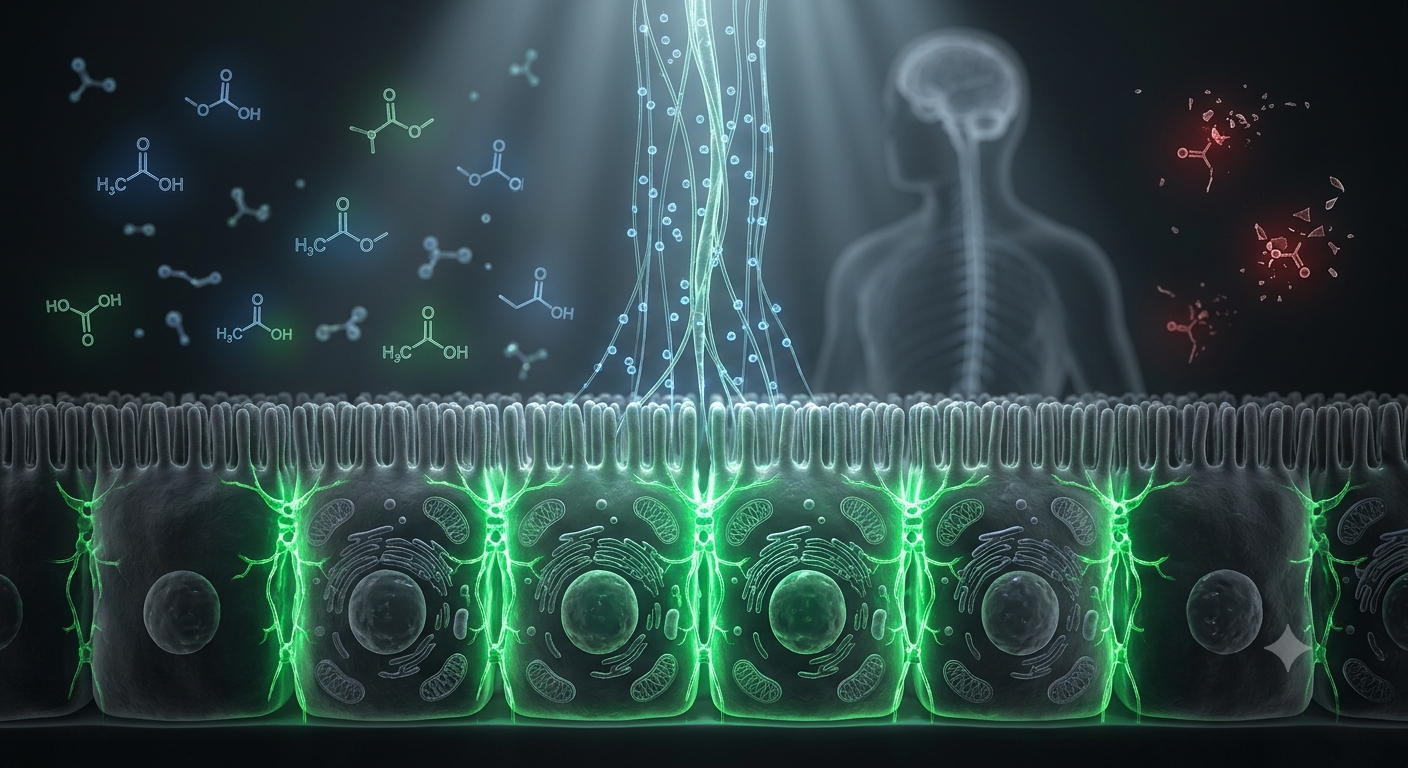
The intestinal lining acts as a highly selective biological checkpoint. Efficient function along the Gut-Brain Axis depends on specialized sealing structures, such as claudins and occludins, which form tight junctions between adjacent cells. When these protein links break down, modern chemical compounds and systemic microbial toxins leak into circulation. These elements irritate local immune networks and disrupt vagus nerve signaling, altering metabolic balance and cognitive performance across the entire body.
2. Intestinal Barrier Integrity & Neuro-Metabolic States
Compromised tight junctions allow inflammatory lipopolysaccharides to enter the bloodstream. This chronic leakage causes low-grade vascular stress, alters central microglia behavior, and diminishes daily focus.
Robust epithelial defenses keep metabolic waste contained while filtering nutrients safely. This controlled pathway minimizes baseline immune activation, supporting healthy neurotransmitter production and neurological endurance.
3. Biomarkers of Enteric and Mucosal Barrier Optimization
| Target Pathway | Biochemical Mechanism | Target Status Metric |
|---|---|---|
| Tight Junctions | Upregulation of zonula occludens-1 structural linkages | Minimal circulating zonulin (High Integrity) |
| SCFA Flux | Bacterial fermentation producing high butyrate volume | Elevated energy for colonocytes (Mucosal Fuel) |
| Vagal Tone | Balanced parasympathetic motor complex output | High Heart Rate Variability (Autonomic Safety) |
4. Short-Chain Fatty Acids: Fueling the Neuroenteric Shield
Maintaining advanced mucosal health requires active cellular fuel alongside strong physical barriers. Beneficial microbial fermentation generates short-chain fatty acids (SCFAs), like butyrate, which act as the primary fuel source for epithelial cells. These vital energetic compounds reinforce structural bonds, regulate local immune defenses, and promote the synthesis of brain-derived neurotrophic factor (BDNF). Ensuring a steady production of SCFAs safeguards your metabolic pathways and helps sustain sharp cognitive function.
5. The 2026 Epithelial Resolution Protocol
Introduce dense, raw polyphenol structures to selectively support protective bacterial strains. This structural nutrition builds a resilient mucosal barrier, preventing complex metabolic waste from passing into systemic circulation.
Utilize structured neurological breath practices or thermal exposure to activate parasympathetic pathways. This targeted neural input stimulates enteric blood flow, speeds up tissue repair, and dampens systemic inflammatory states.
6. Evolutionary Conflict: Processed Wavelengths vs. Ancestral Substrates
Our digestive defenses developed through constant interaction with complex wild plants and seasonal fiber sources. This specialized raw input naturally prompted our microflora to maintain a thick, protective protective barrier. In contrast, modern hyper-refined foods and chemical compounds create an evolutionary conflict. This refined landscape starves beneficial bacterial populations, causing them to break down the body’s internal mucosal defense shield. Returning to ancestral nutritional principles allows us to restore our natural physical vitality.
7. Global Wellness Lab Verdict
Protecting long-term physical performance requires active support of your body’s internal filtration systems. Focusing on protocols that stabilize the Gut-Brain Axis shields neural networks from the ongoing irritation caused by internal barrier failure. By supporting microbial health and strengthening tight junction protein complexes, you lower systemic physical stress, protect crucial neurological pathways, and establish a firm foundation for sustained full-body vitality.
Scientific References & Clinical Sources
- Gastroenterology (2024). “Tight junction protein dynamics and the molecular kinetics of epithelial barrier permeability in neuroenteric syndromes.” Vol. 166, pp. 284–298.
- Nature Neuroscience (2025). “Vagus nerve afferent mechanisms: Mapping microbiome-derived short-chain fatty acid signaling paths to the brain stem.” Vol. 28, no. 2, pp. 195–209.
- Gut Microbes (2025). “Lipopolysaccharide translocation and circulating zonulin as primary biomarkers for low-grade systemic neuroinflammation.” Vol. 17, pp. 74–89.
- The Lancet Neurology (2026). “The Gut-Brain Axis in longevity models: How mucosal barrier engineering mitigates age-related cognitive deceleration.” Vol. 25, pp. 412–427.
Global Wellness Lab
“The barrier is an absolute border; protect your internal lining to protect your nervous system.”
Page Contents
Toggle