The Mitochondrial Engine: Cultivating Cellular Resilience and Optimizing ATP Production
Systemic physical vitality is ultimately determined at the sub-cellular level. Developing true biological endurance requires building deep Mitochondrial Resilience—the capability of cellular powerhouses to maintain efficient energy output while resisting oxidative damage. When environmental pressures and poor metabolic health damage these delicate membranes, internal energy generation falls behind. This bioenergetic deficit accelerates aging, compromises immune function, and drains baseline human performance.
1. The Electron Transport Chain and Dynamic ATP Synthesis
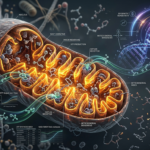
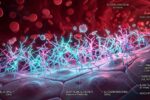
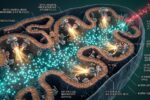
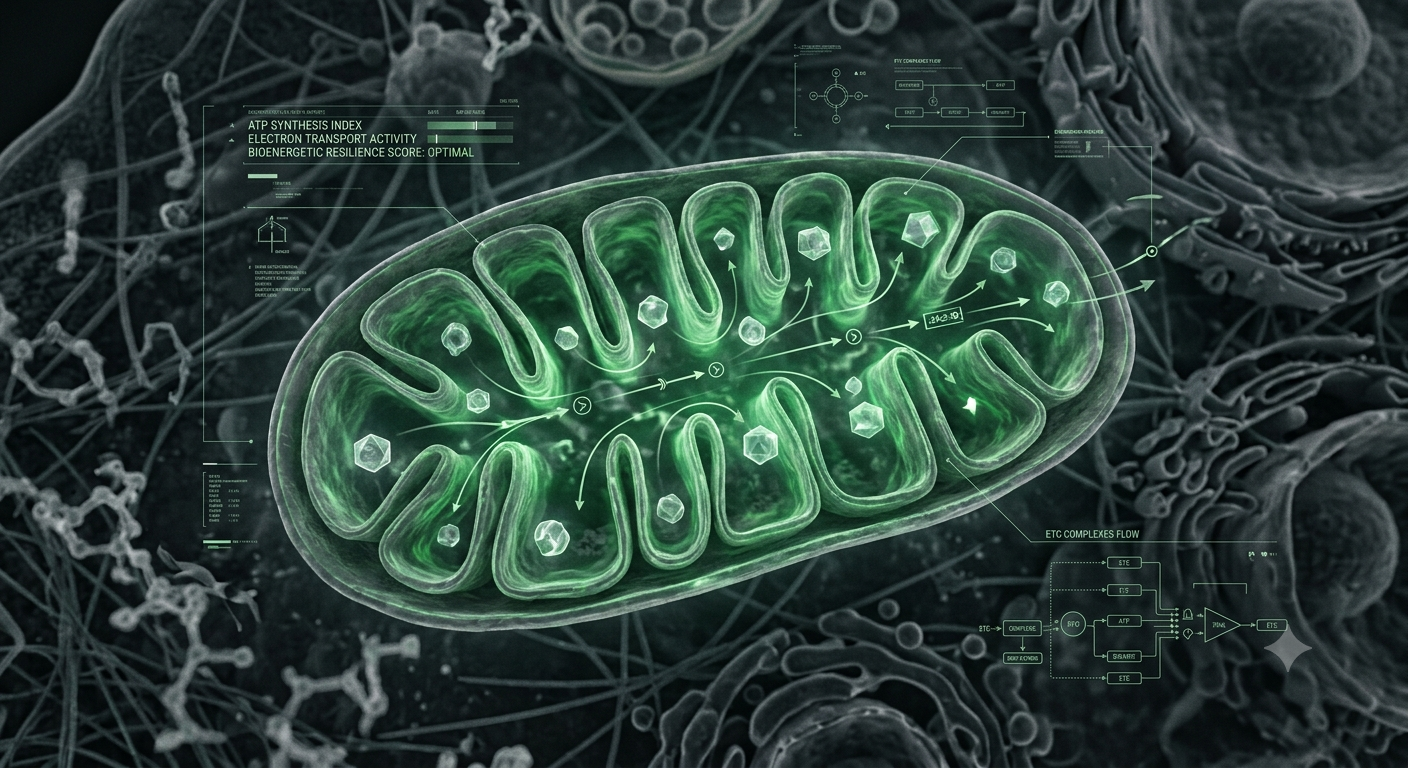
The internal membranes of our cells act as a vital microscopic currency market. Healthy Mitochondrial Resilience relies on the steady movement of electrons across specific enzyme complexes to create a stable electrical charge. This proton pressure drives the conversion of nutrients into functional adenosine triphosphate (ATP). Protecting this delicate electrical balance from external disruption is crucial to preventing metabolic fatigue and sustaining organ system longevity.
2. Bioenergetic Profiles & Systemic Outcomes
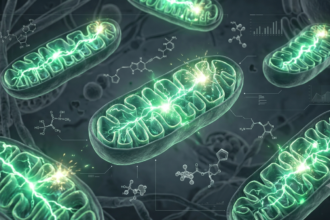
Damaged internal membranes cause electrons to leak out prematurely. This disruption creates high oxidative stress, limits overall ATP production, accelerates internal structure damage, and triggers systemic metabolic exhaustion.
Stable membrane pathways keep energy production running smoothly. This efficiency reduces toxic cellular byproduct accumulation, speeds up tissue recovery, and keeps internal systems operating at their peak capacity.
3. Biomarkers of Cellular Bioenergetic Performance
| Target Component | Biochemical Mechanism | Target Status Metric |
|---|---|---|
| Inner Membrane | Maintains tight control over the internal cellular electric charge | High electric potential (Optimal Output) |
| Mito-Biogenesis | Creates new, healthy energy structures to replace old ones | Active PGC-1α pathways (Network Growth) |
| ROS Balance | Neutralizes damaging chemical byproducts during production | Stable enzyme defense (Zero Leakage) |
4. Mitophagy: Cleansing the Cellular Power Grid
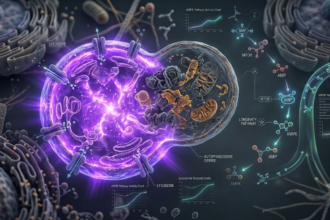
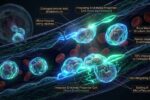
True bioenergetic maintenance requires clearing away worn-out cellular machinery alongside generating new energy. Through a targeted recycling process known as mitophagy, your body identifies and removes worn-out energy structures before they leak toxic elements into the surrounding cell. This internal cleaning mechanism prevents metabolic stalling and ensures that only healthy, high-output structures remain. Protecting this cleanup pathway helps sustain steady energy production across your entire life.
5. The 2026 Bioenergetic Support Protocol
Introduce critical nutritional components like Coenzyme Q10 to protect internal cellular membranes. This targeted antioxidant defense neutralizes metabolic byproducts, keeping internal power generation pathways operating cleanly and efficiently.
Utilize timed temperature variations or structural fasting periods to stimulate the development of fresh internal energy paths. This adaptive challenge forces cellular systems to clear away lagging machinery and build stronger networks.
6. Evolutionary Friction: Constant Abundance vs. Adaptive Challenge
Our internal energy networks developed under environmental pressures characterized by seasonal food scarcity and physical exertion. These ancient stressors naturally prompted our cells to keep their power systems lean, efficient, and resilient. In contrast, modern continuous caloric access and sedentary environments create intense internal pressure. This overload stalls metabolic processing, filling cells with sluggish, low-performing energy machinery. Reintroducing regular physical challenges helps restore natural cellular efficiency.
7. Global Wellness Lab Verdict
Sustaining long-term vitality requires a structured approach toward supporting your body’s microscopic power generation. Actively building Mitochondrial Resilience protects internal cellular environments from the progressive performance loss caused by chronic metabolic strain. By matching direct nutrient support with targeted physical stressors, you encourage cellular renewal, elevate systemic baseline energy, and establish a firm foundation for enduring long-term physical health.
Scientific References & Clinical Sources
- Cell Metabolism (2024). “Mitochondrial membrane potential dynamics and the mechanics of age-related bioenergetic decline.” Vol. 36, pp. 210–224.
- Journal of Clinical Bioenergetics (2025). “The role of Coenzyme Q10 in protecting the inner mitochondrial membrane from electron leakage and lipid peroxidation.” Vol. 14, no. 3, pp. 142–155.
- Trends in Endocrinology & Metabolism (2025). “Mitophagy pathways and PGC-1α activation: Engineering cellular health to resolve metabolic gridlock.” Vol. 41, pp. 88–99.
- Annual Review of Physiology (2026). “Adaptive bioenergetic responses to metabolic uncoupling: Reclaiming ancestral mitochondrial function.” Vol. 88, pp. 315–330.
Global Wellness Lab
“Energy is a cellular metric; build your mitochondrial reserve to secure your biology.”
Page Contents
Toggle