The Electron Conduit: Stabilizing Cellular Energy Flow Under Metabolic Stress
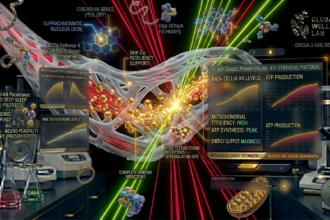
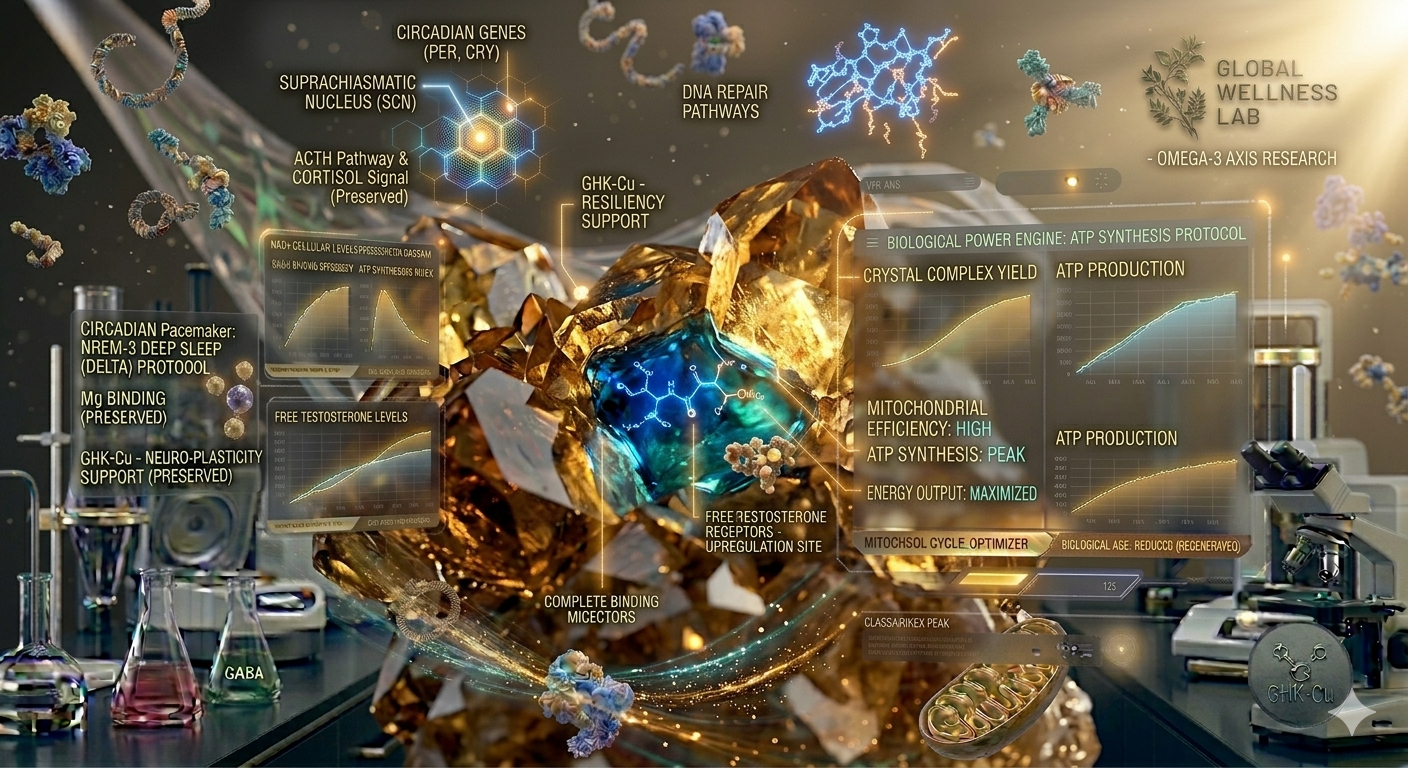
Maintaining high metabolic output depends on how efficiently your inner cells move raw data signals. Inside the cellular engine, coenzyme q10 cellular electron transport acts as the central link that keeps energy production stable, helping molecules shift safely through internal pathways before oxidative degradation can cause system fatigue.
1. The Respiration Chain: Protecting the Inner Fuel Matrix
When cellular pathways face high workloads, electron leaks can occur along the mitochondrial respiration chain. These unguided particles create systemic stress, breaking down fragile outer cell walls and slowing down vital biological delivery mechanisms. Stabilizing these inner channels ensures that raw nutrients turn into active cellular fuel smoothly, protecting local tissue structures from premature exhaustion and keeping baseline performance indicators balanced.
2. Metabolic Transport Efficiency Indices
3. Clinical Protocol for Electron Stabilization
4. Global Wellness Lab Verdict
Sustaining high physical resilience requires treating your cellular pathways with absolute precision. Relying on verified coenzyme q10 cellular electron transport mechanics shields your inner organs from early degradation caused by modern toxic environments. True longevity and metabolic power open up once you give your cell engines the structural tools they require to execute daily functions without stress.
Global Wellness Lab
“Resilience is not the absence of stress, but the biological capacity to manage it without systemic degradation.”
5. Legal Disclaimer
This evaluation analyzes chemical metabolic systems and should not be used as clinical diagnostic advice. For specific metrics on heart energy outputs, continuous mitochondrial testing, or custom natural compound strategies, consult a medical professional.
Page Contents
Toggle