The Hypochlorhydria Phenotype: Stomach Acid Breakdown and Gastric Dysbiosis Review
In clinical gastroenterology, hydrochloric acid (HCl) is frequently mischaracterized as a mere digestive agent. In 2026, advanced microbiome sequencing establishes that gastric acid is the primary biological gatekeeper of the upper gastrointestinal tract. A failure in HCl secretion—known as hypochlorhydria—shatters this chemical barrier, enabling pathogenic colonization and severe gastric dysbiosis.
1. The pH Filter: How Hydrochloric Acid Sanitizes the Microenvironment
A healthy gastric environment operates at an optimal pH baseline between 1.5 and 2.5. This extreme acidity serves two distinct evolutionary purposes: it denatures complex dietary proteins for enzyme degradation and acts as a sterilization chamber. When parietal cells decrease acid output due to chronic stress, nutrient deficiencies, or overuse of medication, the gastric pH rises above 4.0, neutralizing the chemical filter.
⚠️ 2. The Downstream Cascade of Low Stomach Acid
The structural degradation caused by a systemic rise in gastric pH alters the entire digestive tract:
- SIBO Triggers: Orally ingested bacteria that typically perish in the stomach survive and migrate down into the small intestine, triggering Small Intestinal Bacterial Overgrowth.
- Impaired Proteolysis: Pepsinogen cannot convert into its active form, pepsin, leaving large, undigested peptide blocks that inflame the intestinal lining.
- Mineral Malabsorption: Critical ionic minerals like Iron, Magnesium, Zinc, and Calcium become highly bio-unavailable without an acidic medium for proper cleavage.
3. Technical Comparison: Gastric pH Dynamics & Microbiota Shift
Tracking clinical physiological changes provides a clear roadmap of how biochemical degradation alters gut ecosystem homeostasis:
| Gastric Env. | pH Range | Microbiota Status | 2026 Standard |
|---|---|---|---|
| Optimal Secretion | 1.5 – 2.5 | Sterile Upper GI | Baseline |
| Mild Hypo. | 3.0 – 4.5 | Bacterial Survival | Betaine HCl |
| Severe Achlo. | 5.0+ | SIBO Cascade | GWL Protocol |
⚡ 4. Clinical Interventions for Gastric Acid Optimization
To re-acidify the gastric medium and safely restore upper digestive barrier functions, implement this biological sequence:
- Targeted Betaine HCl: Supplementing with Betaine Hydrochloride combined with Pepsin at the start of protein-dense meals to mechanically lower exogenic pH.
- Bitter Herb Botanicals: Utilizing Gentian root and Ginger tinctures 15 minutes before eating to naturally stimulate vagal efferent signals for endogenous gastrin release.
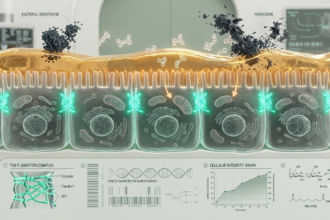
- Zinc-Carnosine Support: Incorporating Zinc-Carnosine to repair epithelial cell junctions and protect the delicate mucosal lining during the re-acidification process.
5. Global Wellness Lab Verdict
True gut healing does not begin in the stomach; it begins in the stomach. Suppressing stomach acid chronically without assessing the root cause of dysbiosis is a dead-end protocol. As defined in our core framework, keeping your primary chemical barrier functional is non-negotiable for metabolic and microbial protection.
Global Wellness Lab
“Resilience is not the absence of stress, but the biological capacity to manage it without systemic degradation.”
6. Legal Disclaimer
This is a technical educational analysis and does not substitute professional medical advice. For conditions involving severe acid reflux, peptic ulcers, or persistent gastritis, please consult a licensed gastroenterologist.