Mitochondrial Cristae Remodeling & ATP Synthase Dimerization Protocols
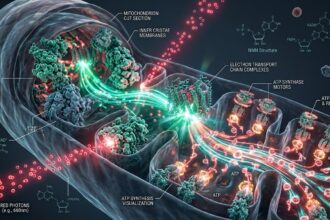
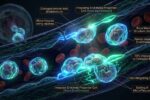
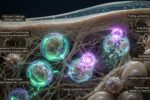
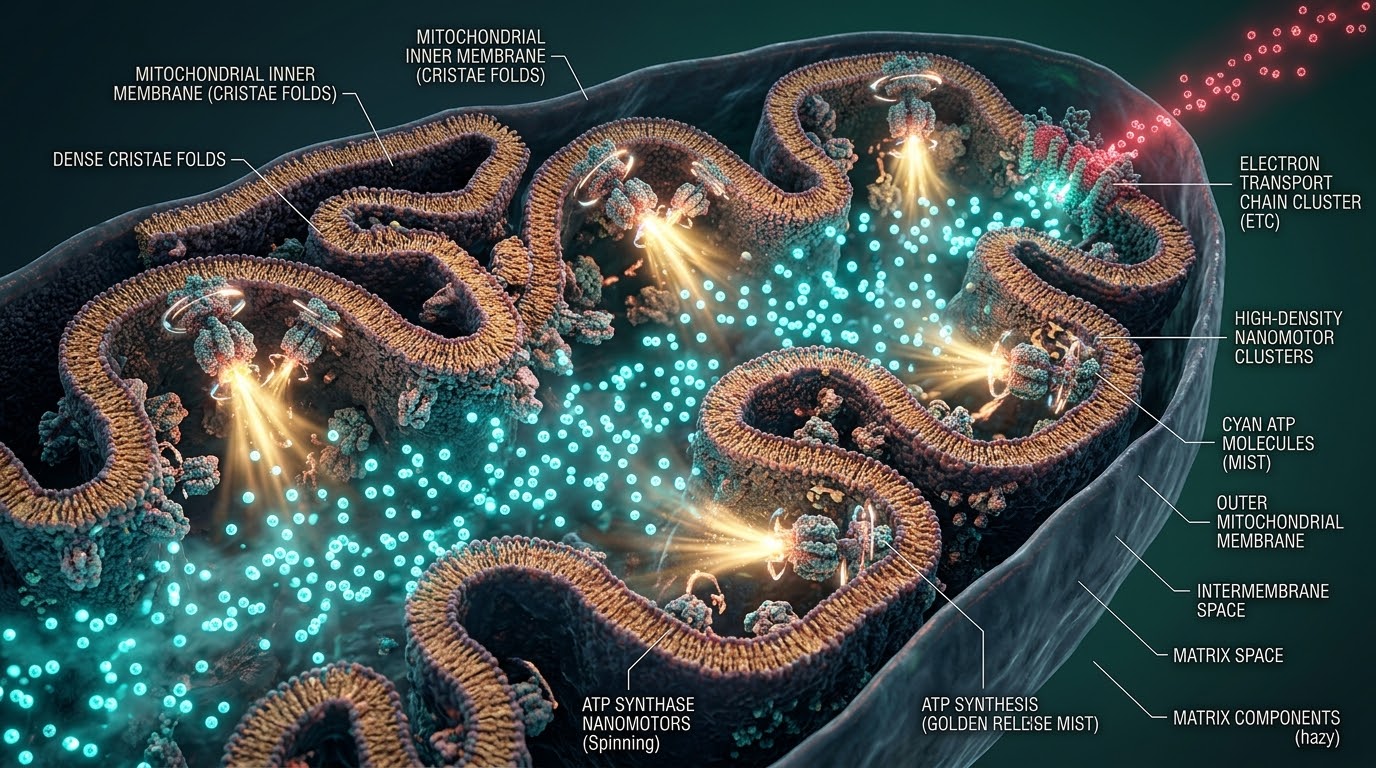
Mitochondrial cristae are tightly folded inner membrane invaginations that house the enzymes of the electron transport chain and ATP Synthase complexes. The physical curvature and density of cristae determine the speed of proton gradient formation across the inner membrane. Age-related lipid peroxidation and loss of cardiolipin destabilize cristae architecture, uncoupling oxidative phosphorylation and dampening systemic ATP output.
1. OPA1-Mediated Cristae Junction Tightening
Optic Atrophy 1 (OPA1) is a dynamin-related GTPase that maintains cristae junction width, trapping cytochrome c inside cristae lumen storage sites. Tight cristae junctions restrict proton dissipation into the intermembrane space, optimizing local proton motive force directly to the ATP Synthase rotor heads. Supporting OPA1 oligomerization prevents cristae widening during cellular stress and shields cells from apoptotic signaling.
2. Cristae Structural Density Profile
Widened cristae junctions cause proton leakage, uncoupling electron transport from ATP synthesis and accelerating metabolic fatigue.
Preserved inner membrane curvature concentrates protons at ATP Synthase rotors, driving maximum cellular ATP generation.
3. Cristae Restorative Actives & Membrane Stabilizers
4. Cardiolipin-ATP Synthase Supramolecular Assembly
Cardiolipin is a unique tetra-acyl phospholipid localized almost exclusively to the mitochondrial inner membrane. It binds directly to respiratory Complexes I, III, IV, and ATP Synthase, acting as a flexible kinetic glue that organizes individual enzymes into efficient supercomplexes (respirasomes). Protecting cardiolipin against lipid peroxidation ensures flawless electron shuttling and maximal ATP yield.
Looking for a specialized formulation engineered with targeted metabolic cofactors and botanical extracts to support cellular energy? Explore the official Dizaxen offer.
Order Dizaxen with Official Discount →5. The Mitochondrial Cristae Remodeling Protocol
Administer lipid precursors paired with Ubiquinol to rebuild cardiolipin pools and protect cristae membranes against oxidative degradation.
Introduce PQQ to trigger NRF-driven cristae biogenesis, expanding inner membrane density and driving efficient ATP Synthase dimerization.
6. Global Wellness Lab Verdict
Preserving mitochondrial cristae architecture is foundational for lifelong bioenergetic vitality. Supporting inner membrane phospholipids while driving cristae biogenesis maintains efficient ATP output and shields cells from metabolic decline.
- Cogliati, S., et al. (2013). “Mitochondrial cristae shape determines respiratory chain supercomplexes assembly and respiratory efficiency.” Cell, 155(1), 160-171.
- Frezza, C., et al. (2006). “OPA1 controls apoptotic cristae remodeling independently from mitochondrial fusion.” Cell, 126(1), 177-189.
- Paradies, G., et al. (2014). “Functional role of cardiolipin in mitochondrial bioenergetics.” Biochimica et Biophysica Acta (BBA) – Bioenergetics, 1837(4), 408-417.
- Strauss, M., et al. (2008). “Dimerization of mitochondrial ATP synthase builds cristae locus.” EMBO Journal, 27(7), 1154-1160.
Global Wellness Lab
“Resilience is not the absence of stress, but the biological capacity to manage it without systemic degradation.”
Page Contents
Toggle