NAD+ Homeostasis & Mitochondrial Bioenergetics Protocols
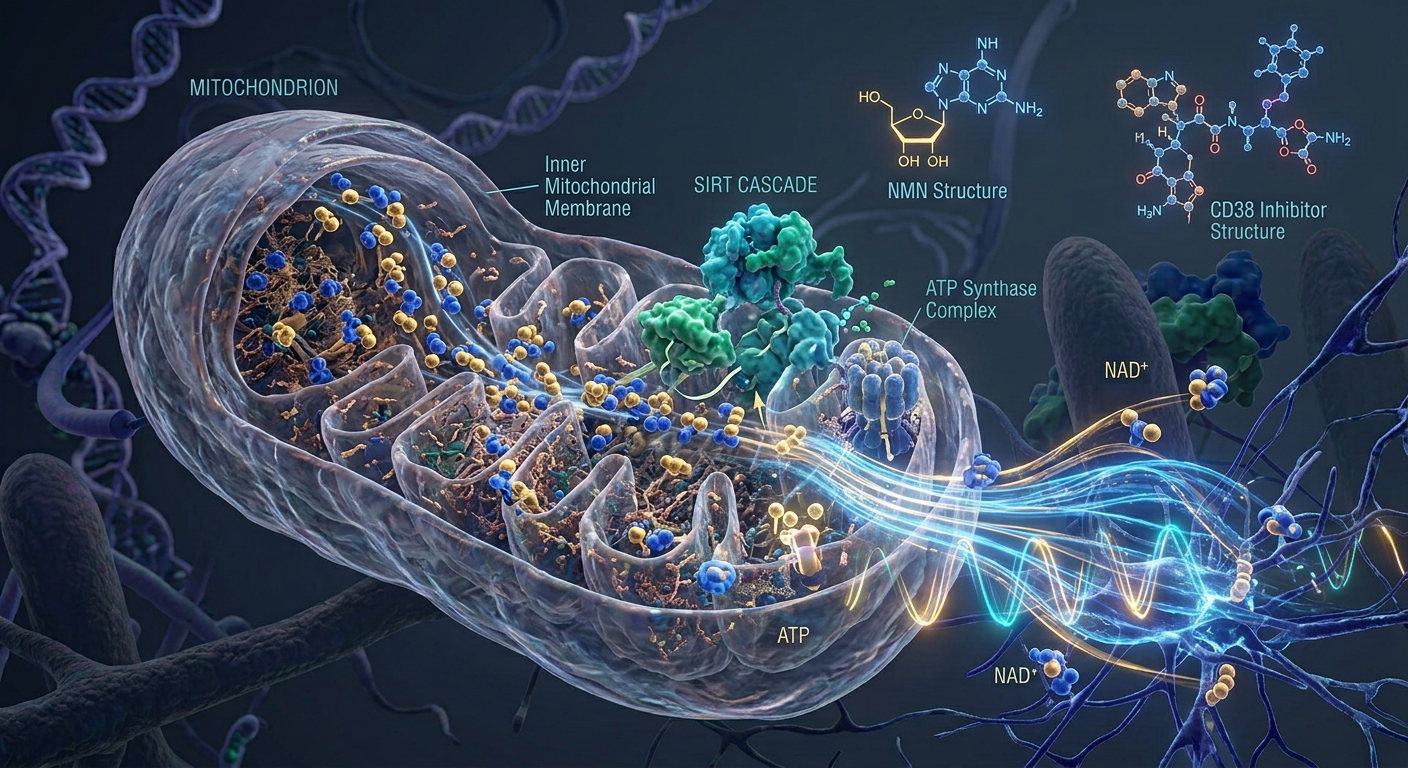
Nicotinamide Adenine Dinucleotide (NAD+) is a vital coenzyme present in all living cells, serving as an indispensable electron carrier in metabolic redox reactions and a substrate for NAD+-consuming enzymes including Sirtuins (SIRT1-7) and PARPs. Systematic age-associated decline in intracellular NAD+ levels impairs mitochondrial oxidative phosphorylation, downregulates mitochondrial biogenesis via PGC-1α, and triggers progressive metabolic dysfunction. Restoring NAD+ pools through precursor supplementation and CD38 enzyme inhibition re-establishes bioenergetic capacity and cellular resilience.
1. The NAD+ Salvage Pathway and CD38 Consumption Hyper-Activation
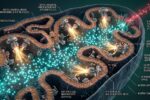
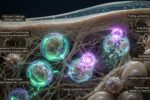
Intracellular NAD+ levels are primarily maintained via the salvage pathway, where Nicotinamide Phosphoribosyltransferase (NAMPT) acts as the rate-limiting enzyme converting nicotinamide (NAM) into nicotinamide mononucleotide (NMN). During aging, pro-inflammatory M1 macrophages accumulate in tissues and overexpress the ecto-enzyme CD38, a primary NAD+ hydrolase. This age-dependent upregulation of CD38 degrades extracellular and intracellular NAD+ pools, creating a systemic deficit that starves SIRT1 (nuclear chromatin regulation) and SIRT3 (mitochondrial protein deacetylation).
2. Cellular Bioenergetic Status
Elevated CD38 activity drains NAD+, causing Sirtuin inactivation, loss of mitochondrial membrane potential, and accumulation of reactive oxygen species (ROS).
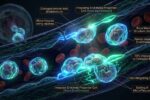
Restored NAD+ pools activate mitochondrial biogenesis through PGC-1α, enhancing ATP generation and cellular metabolic adaptability.
3. NAD+ Boosting Compounds & Enzymatic Modulators
4. Sirtuin Signaling and Mitochondrial QC
SIRT3, the primary mitochondrial sirtuin, deacetylates key enzymes within the tricarboxylic acid (TCA) cycle and the electron transport chain (ETC), such as Complex I and Succinate Dehydrogenase. High SIRT3 activity enhances ATP production while upregulating superoxide dismutase 2 (SOD2) to neutralize oxidative byproducts. Simultaneously, nuclear SIRT1 deacetylates FOXO transcription factors to trigger mitophagy, clearance of damaged mitochondria, and restoration of cellular energy homeostasis.
5. The Metabolic Restoration Protocol
Administer oral NMN alongside Apigenin to maximize bioavailable NAD+ precursor flux while suppressing CD38-mediated degradation in peripheral tissues.
Combine elevated NAD+ intracellular levels with Trans-Resveratrol and periodic fasting cycles to drive SIRT1/SIRT3 deacetylase signaling and mitochondrial renewal.
6. Global Wellness Lab Verdict
Targeting NAD+ homeostasis represents a foundational pillar of cellular bioenergetics. By pairing efficient precursor transport with targeted CD38 suppression and Sirtuin activation, protocol implementations systematically mitigate age-related mitochondrial efficiency loss.
- Yoshino, J., et al. (2018). “NAD+ Intermediaries: The Biology and Therapeutic Potential of NMN and NR.” Cell Metabolism, 27(3), 513-528.
- Camacho-Pereira, J., et al. (2016). “CD38 Dictates Age-Related NAD Decline and Mitochondrial Dysfunction through an SIRT3-Dependent Mechanism.” Cell Metabolism, 23(6), 1127-1139.
- Imai, S., & Guarente, L. (2014). “NAD+ and sirtuins in aging and disease.” Trends in Cell Biology, 24(8), 464-471.
- Verdin, E. (2015). “NAD⁺ in aging, metabolism, and neurodegeneration.” Science, 350(6265), 1208-1213.
Global Wellness Lab
“Resilience is not the absence of stress, but the biological capacity to manage it without systemic degradation.”
Page Contents
Toggle