Systemic Inflammaging Protocols: NLRP3 Inflammasome & Senolytic Signaling
Inflammaging refers to the chronic, sterile, low-grade systemic inflammation that develops progressively during aging. At the core of this driver is the aberrant activation of the NLRP3 inflammasome alongside the accumulation of senescent cells that continuously secrete the Senescence-Associated Secretory Phenotype (SASP). SASP factors—including IL-1β, IL-6, and MMPs—degrade surrounding healthy tissues, compromise metabolic flexibility, and accelerate biological age. Suppressing inflammasome hyperactivation while selectively clearance-targeting senescent cells restores tissue homeostasis and preserves vascular integrity.
1. NLRP3 Inflammasome Priming and Senolytic Action
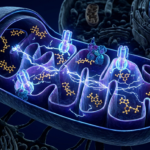
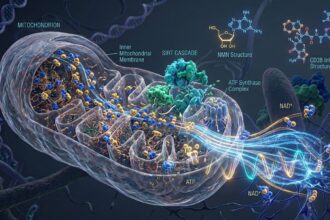
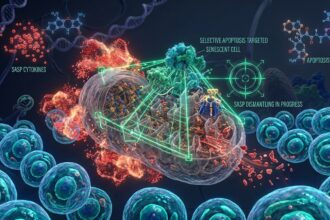
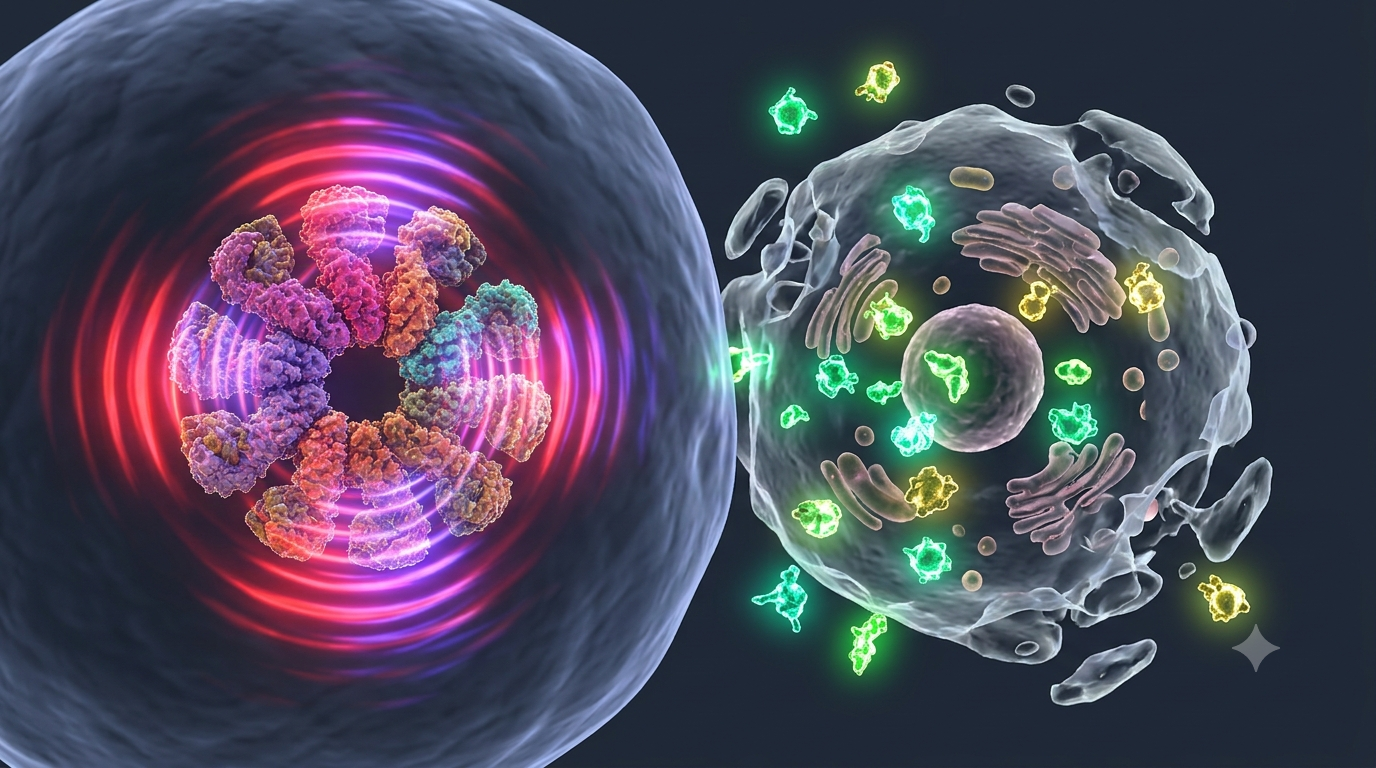
The NLRP3 multiprotein complex acts as an intracellular sensor for metabolic danger signals, such as extracellular ATP, uric acid crystals, and oxidized mitochondrial DNA. Upon assembly, NLRP3 activates caspase-1, cleavage-processing pro-interleukin-1β into its active inflammatory form. Concurrently, senescent cells evade apoptosis via Senescent Cell Anti-Apoptotic Pathways (SCAPs). Targeted senolytic flavonoids disrupt these survival networks, forcing senescent cells into programmed cell death and drastically reducing systemic SASP burden.
2. Systemic Inflammatory Burden Matrix
Uncontrolled caspase-1 activation combined with senescent cell retention triggers persistent tissue degradation, insulin resistance, and accelerated vascular dysfunction.
Suppression of priming signals coupled with periodic senolytic hit-and-run protocols purges toxic senescent cells and lowers systemic hs-CRP levels.
3. Target Senolytics & Inflammasome Inhibitors
4. Endogenous Ketones as Inflammasome Suppressors
Endogenous ketone bodies, primarily Beta-Hydroxybutyrate (BHB), serve as powerful signaling molecules beyond metabolic fuel. BHB specifically inhibits the NLRP3 inflammasome by preventing K+ efflux and reducing ASC oligomerization in macrophages. Raising systemic BHB levels—via fasting, ketogenic interventions, or exogenous ketone esters—exerts immediate immunomodulatory effects, lowering IL-1β circulating levels independently of caloric intake.
5. The Anti-Inflammaging Protocol
Administer high-dose Fisetin and Quercetin for two consecutive days once per month. This brief exposure selectively induces senescent cell apoptosis without causing continuous target suppression.
Maintain elevated baseline BHB levels via periodic fasting or exogenous administration, paired daily with bioavailable polyphenols to prevent inflammasome re-priming.
6. Global Wellness Lab Verdict
Mitigating systemic inflammaging is paramount for extending healthspan and suppressing chronic biological degradation. By combining periodic senolytic pulses with targeted NLRP3 inflammasome suppression, you eradicate the primary drivers of sterile inflammation and preserve youthful tissue structure.
- Franceschi, C., & Campisi, J. (2014). “Chronic inflammation (inflammaging) and its potential contribution to age-associated diseases.” Journals of Gerontology Series A, 69(Suppl_1), S4-S9.
- Youm, Y. H., et al. (2015). “The ketone metabolite β-hydroxybutyrate blocks NLRP3 inflammasome-mediated inflammatory disease.” Nature Medicine, 21(3), 263-269.
- Kirkland, J. L., & Tchkonia, T. (2020). “Senolytic drugs: from discovery to translation.” Journal of Internal Medicine, 288(5), 518-536.
- Xu, M., et al. (2018). “Senolytics improve physical function and increase lifespan in old age.” Nature Medicine, 24(8), 1246-1256.
- Heneka, M. T., et al. (2018). “NLRP3 inflammasome in neurodegenerative disease.” Nature Reviews Immunology, 18(3), 159-173.
Global Wellness Lab
“Resilience is not the absence of stress, but the biological capacity to manage it without systemic degradation.”
URL / Slug:
Page Contents
Toggle