Circadian Entrainment Protocols: Blue Light Dynamics & Melatonin Signaling
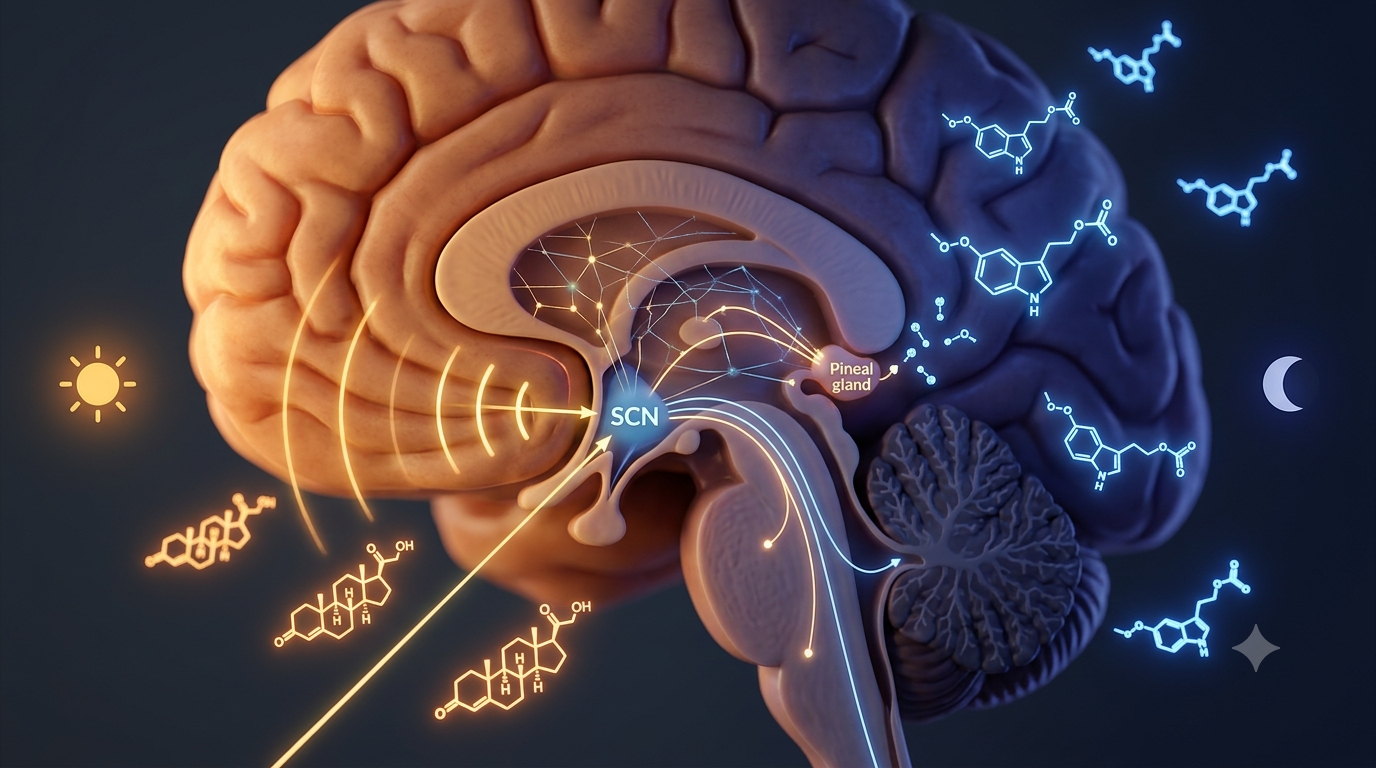
Circadian biology governs nearly every physiological process in human physiology, from metabolic gene expression to deep restorative slow-wave sleep. The master circadian pacemaker—the Suprachiasmatic Nucleus (SCN) located in the hypothalamus—relies on precise environmental cues (Zeitgebers) to align internal biological clocks with the external 24-hour solar cycle. Artificial blue light exposure post-sunset suppresses pineal melatonin secretion, desynchronizing peripheral tissue clocks and compromising deep sleep architecture.
1. Photoreceptor Activation & The Cortisol Awakening Response
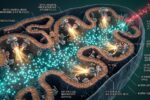
Intrinsic Photosensitive Retinal Ganglion Cells (ipRGCs) express melanopsin, a photopigment specifically sensitive to blue light wavelengths (460–480 nm). Morning exposure to natural sunlight stimulates ipRGCs, projecting signals via the retinohypothalamic tract to trigger the Cortisol Awakening Response (CAR). This morning pulse sets a timer for endogenous melatonin synthesis ~12–14 hours later while suppressing nighttime melatonin production during daylight hours.
2. Circadian Alignment State Analysis
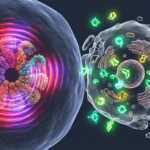
Nocturnal screen exposure delays pineal melatonin release, impairing REM/Slow-Wave Sleep transitions and provoking morning grogginess and metabolic dysfunction.
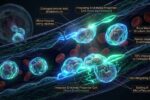
Precise morning light exposure paired with evening amber/red lighting preserves endogenous melatonin dynamics, optimizing growth hormone release and neural detoxification.
3. Targeted Chronobiological Agents
4. Thermal Regulation and Glymphatic Clearance
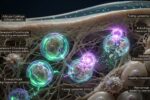
Sleep initiation relies heavily on a drop in core body temperature by approximately 1°C. Passive body heating (warm bath or sauna) 90 minutes before sleep drives peripheral vasodilation, accelerating heat dissipation once in bed. This temperature drop signals the brain to enter non-REM slow-wave sleep, activating the glymphatic system to flush metabolic waste—such as beta-amyloid—from brain tissue.
5. The Circadian Reset Protocol
View 10–15 minutes of direct morning sunlight within 30 minutes of waking. Avoid wearing sunglasses during this window to ensure uninhibited ipRGC photic activation.
Equip 100% blue/green blocking lenses 2 hours before bed, dim overhead lighting, and supplement with targeted co-factors to support core cooling and rapid sleep onset.
6. Global Wellness Lab Verdict
Circadian biology is the fundamental pillar of metabolic recovery, hormonal equilibrium, and longevity. By aligning light exposure with natural solar rhythms and leveraging natural neurochemical support, you optimize deep sleep architecture and ensure robust daytime cognitive output.
- Berson, D. M., et al. (2002). “Phototransduction by retinal ganglion cells that set the circadian clock.” Science, 295(5557), 1070-1073.
- Czeisler, C. A., et al. (1999). “Stability, precision, and resetting adaptability of the human circadian pacemaker.” Science, 284(5423), 2177-2181.
- Xie, L., et al. (2013). “Sleep drives metabolite clearance from the adult brain.” Science, 342(6156), 373-377.
- Gooley, J. J., et al. (2011). “Exposure to room light prior to bedtime suppresses melatonin onset and shortens melatonin duration in humans.” JCEM, 96(3), E463-E472.
- Saper, C. B., et al. (2005). “The sleep switch: hypothalamic control of sleep and wakefulness.” Trends in Neurosciences, 28(12), 702-710.
Global Wellness Lab
“Resilience is not the absence of stress, but the biological capacity to manage it without systemic degradation.”
Page Contents
Toggle