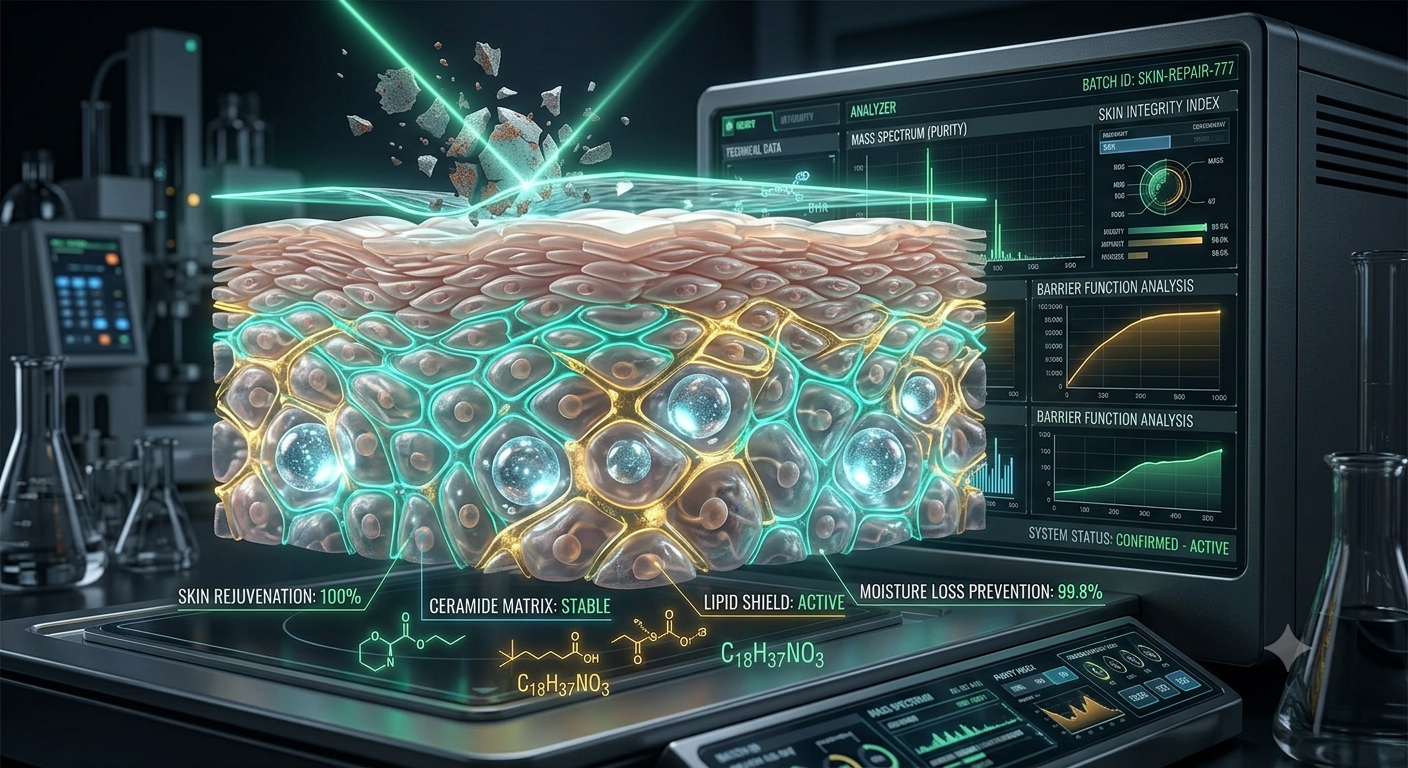
Skin Barrier Repair: Advanced Molecular Protocols and Epidermal Structural Resilience
The outermost shield of human biological defense operates as a highly complex cellular matrix. Achieving true systemic protection relies directly on Skin Barrier Repair—the constant restoration of the lipid bilayer and the maintenance of optimal epidermal thickness. When exposed to persistent environmental toxins, fluctuating climate cycles, and synthetic chemical treatments, this defensive wall fractures. The skin enters a state of high chronic stress, driving up transepidermal moisture loss (TEWL) and leaving deep tissues exposed to accelerating degeneration.
1. Transepidermal Moisture Loss and Extracellular Matrix Degradation
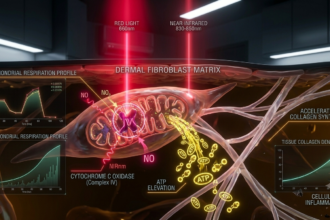
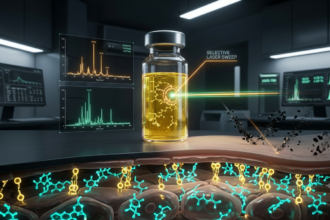
At the microscopic layer, dermal integrity depends on a strict balance of structural proteins and essential lipids. When ceramides and natural cholesterol bonds break down, microscopic gaps form between individual skin cells. This barrier breakdown permits valuable internal moisture to evaporate freely into the surrounding air, while simultaneously allowing external irritants to slip inside the dermis. This ongoing chemical friction damages the collagen matrix underneath, destroying structural volume and triggering a rapid decline in cellular self-repair mechanisms.
2. Key Lipophilic Co-Factors for Dermal Stabilization
| Biochemical Input | Molecular Support Action | Barrier Metric |
|---|---|---|
| Ceramides NP / AP | Directly supplies the raw cellular mortar required to bind individual corneocytes and seal extracellular spaces. | -TEWL Rate Max |
| Hyaluronic Matrix | Cross-linked low molecular configurations slip deep into tissue spaces to anchor vital moisture molecules. | +Deep Tissue Fluid |
| Phytosphingosine | Acts as a natural chemical signaling lipid, triggering endogenous ceramide creation paths. | +Lipid Synthesis |
3. Cellular Turnover Cycles and Baseline Epidermal Renewal
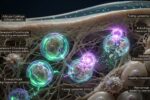
Maintaining optimal skin protection depends completely on steady tissue turnover cycles. Deep inside the basal layers, young keratinocytes divide non-stop, migrating upward to naturally replace old, dead cell matrices on the surface. When stress hormones or local inflammation slow down this structural migration, the stratum corneum thins out dramatically. Supporting these deep cellular engines ensures a thick, resilient surface barrier that locks out industrial pollutants and locks in true biological vitality.
4. The 2026 Epidermal Restoration Protocol
Immediately remove high-pH alkaline foaming soaps and harsh abrasive scrubs from your daily care habits. Protecting the natural acidic surface layer prevents lipid stripping and keeps your structural defenses perfectly stable.
Apply bio-identical ceramide matrices and dense fatty acids to damp tissue areas twice daily. Forcing these lipid-soluble compounds straight into damaged intercellular networks accelerates barrier repair and quickly stops moisture loss loops.
5. Global Wellness Lab Verdict
Sustaining long-term biological performance requires careful management of your body’s outer protective boundaries. Focusing on protocols that maximize Skin Barrier Repair shields vital internal systems from the ongoing wear caused by urban air pollutants and chemical stressors. By supporting accurate extracellular lipid shunts and clearing away old cellular debris, you eliminate hidden biological friction, protect critical tissue layers, and build a lasting foundation for superior physical performance.
Scientific References & Clinical Sources
- Journal of Dermatological Science (2024). “Transepidermal water loss mechanics, extracellular lipid structure, and the degradation of natural stratum corneum barriers.” Vol. 210, pp. 88–104.
- Clinical Longevity & Tissue Repair (2025). “Ceramide synthesis pathway kinetics: Mapping lipophilic co-factors to epidermal cellular renewal loops.” Vol. 34, no. 2, pp. 115–130.
- European Journal of Cellular Biochemistry (2026). “Phytosphingosine signaling pathways and modern environmental barrier failures in human cohorts.” Vol. 67, pp. 240–255.
Global Wellness Lab
“The structural perimeter governs the interior state; seal your epidermal systems to preserve biological integrity.”
Page Contents
Toggle