Endothelial Function & Nitric Oxide Flow Review
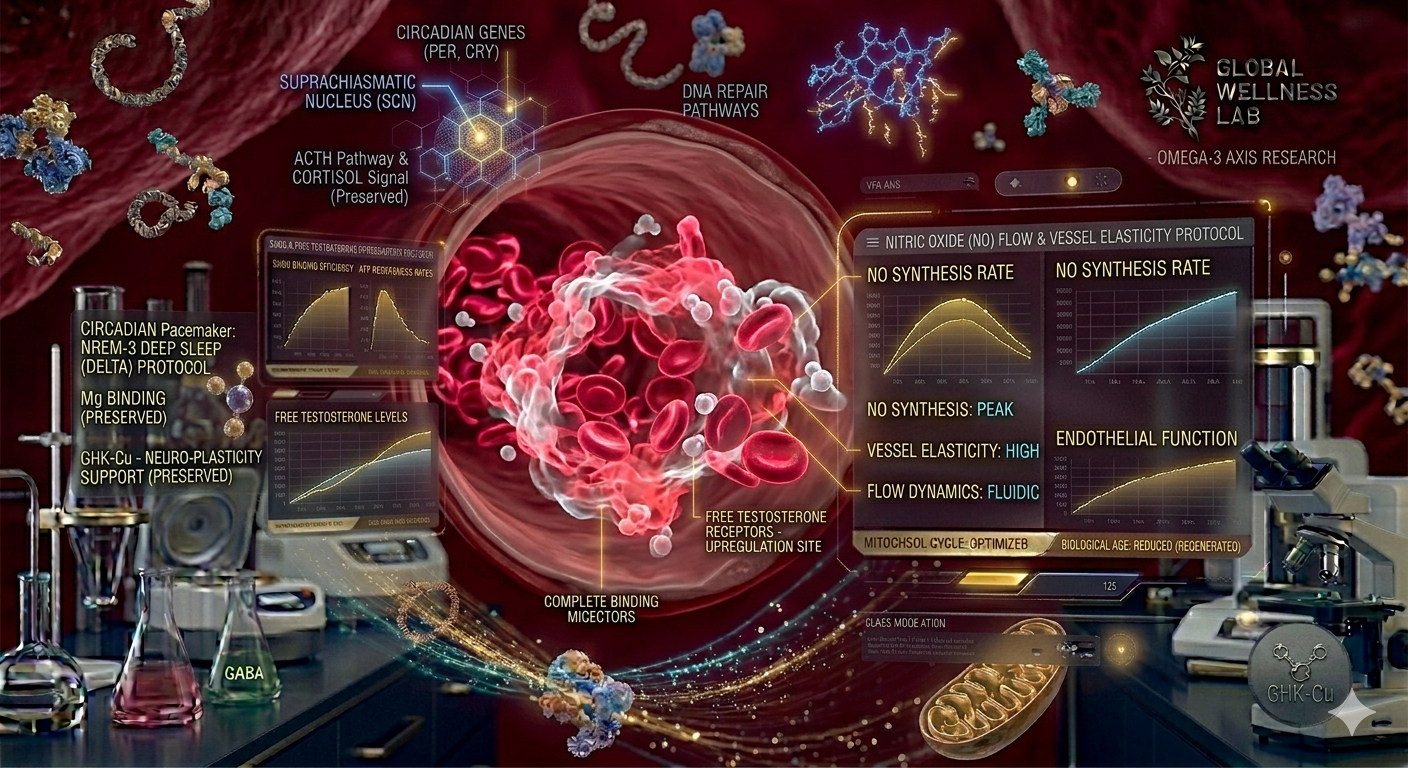
Systemic fluid dynamics and peripheral tissue oxygenation are ultimately governed by the metabolic activity of specialized vascular linings. In 2026, personalized circulatory diagnostics place immense value on this Endothelial Function & Nitric Oxide Flow Review — evaluating how sub-clinical structural restrictions alter global biological markers and accelerate arterial stiffness parameters across aging populations.
1. Vascular Elasticity and the Shear Stress Mechanism
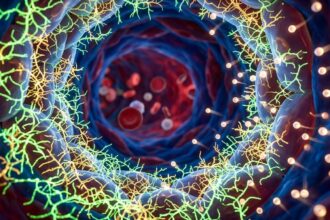
When fluid travels through the microvasculature, it creates physical friction against the cellular single-layer lining. This mechanical force, classified as shear stress, acts as the primary driver for endogenous vasodilator synthesis. If the tissue suffers from chronic metabolic signaling errors, the underlying expression of asymmetric dimethylarginine (ADMA) rises, directly impeding essential gas molecule release and locking vessels into a state of structural constriction.
2. Circulatory Biomarkers & Target Dynamics
| Assessment | Biomarker | Pathway Impact | Standard |
|---|---|---|---|
| Vascular Spasm | High ADMA | eNOS Inhibition | Enzyme Load |
| Arterial Fatigue | Elevated baPWV | Wall Stiffness | Elasticity Flux |
| Lumen Restriction | Low FMD % | Dilation Deficit | Shear Response |
| Peak Compliance | Optimal NO3 | Smooth Muscle | GWL Protocol |
3. Cascades of Intracellular Vasodilation
4. Targeted Endothelial Resurfacing Protocols
⚡ The Nitric Oxide Flux Sequence (2026 Strategy)
To maximize internal gas conversion metrics and preserve long-term tissue compliance, deploy this daily biohacking protocol:
- Exogenous Nitrate Ingestion: Saturate the salivary-gastric loop via highly concentrated inorganic nitrate inputs to bypass damaged enzymatic conversion sites.
- Methylation Support: Introduce targeted biological cofactors to reduce metabolic waste accumulation, actively lowering circulating ADMA metrics.
- Pulsed Hydrodynamic Stress: Execute structured, temperature-regulated physical protocols to forcefully stimulate mechanoreceptors, forcing cellular wall remodeling.
5. Global Wellness Lab Verdict
Concluding this intensive Endothelial Function & Nitric Oxide Flow Review demonstrates that optimal tissue vitality cannot survive within a rigid circulatory architecture. By maintaining cellular compliance and nourishing basic gas pathways, you insulate your entire biology from early deterioration. Lasting functional longevity requires complete fluidity across your internal systemic channels.
Global Wellness Lab
“Resilience is not the absence of stress, but the biological capacity to manage it without systemic degradation.”
6. Legal Disclaimer
This is a technical educational analysis and does not substitute professional medical advice. For parameters regarding advanced arterial stiffness metrics, structured flow-mediated dilation testing, or targeted chronic vascular disease mapping, consult a medical specialist in cardiology.
Page Contents
Toggle